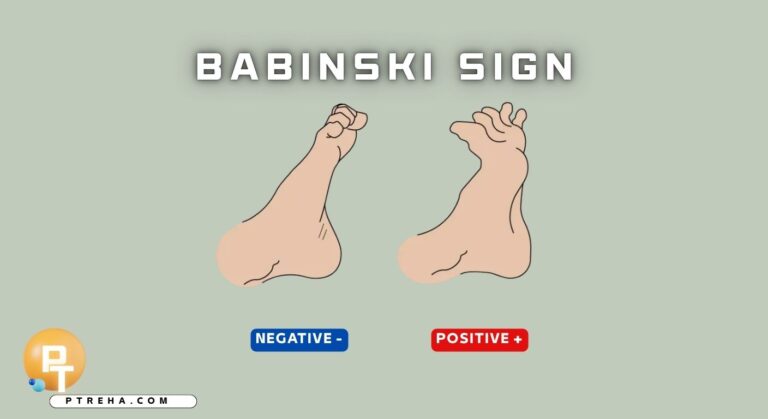
Babinski Sign
The Babinski Sign is a neurological examination finding used to assess the plantar response and provide information about corticospinal tract function. In neurologically mature…
Read moreSpecial Tests
Explore Neurological Examination at ptreha.com—a focused reference for assessing movement and identifying useful clinical signs, organised by anatomical area.
The Babinski Sign is a neurological examination finding used to assess the plantar response and provide information about corticospinal tract function. In neurologically mature…
Read more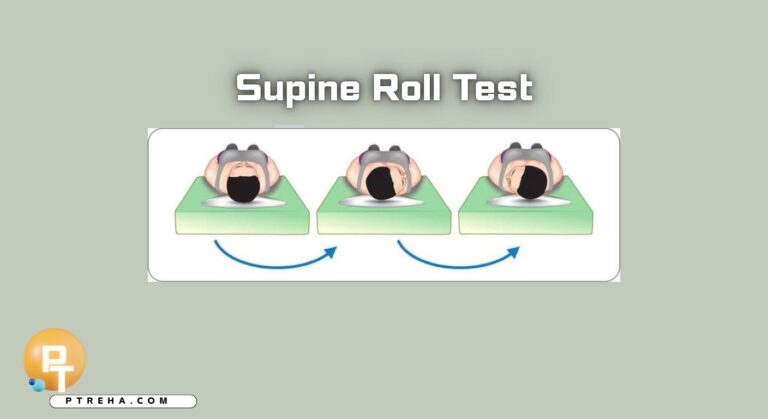
The Supine Roll Test, also called the supine head-roll test or Pagnini–McClure test, is a diagnostic positional maneuver used to assess the horizontal semicircular…
Read more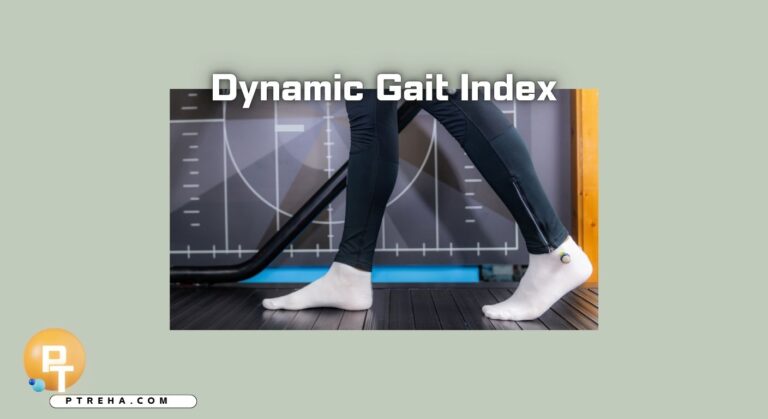
The Dynamic Gait Index (DGI) is a standardized clinical assessment of walking performance under increasingly demanding conditions. It was developed to examine the ability…
Read more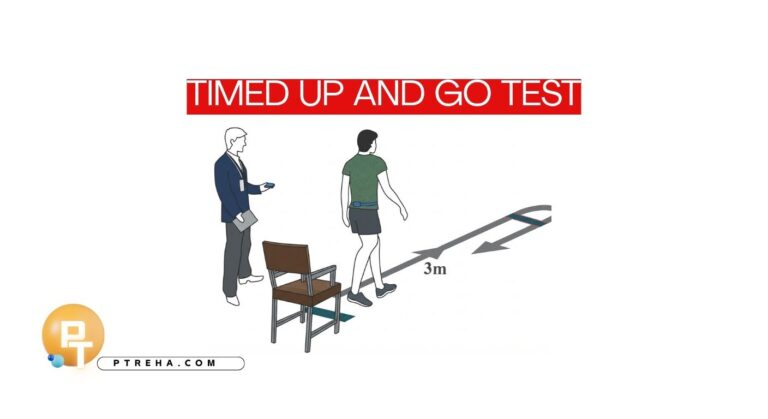
The Timed Up and Go Test is a functional performance assessment used to examine basic mobility during a short sequence of everyday movements. It…
Read more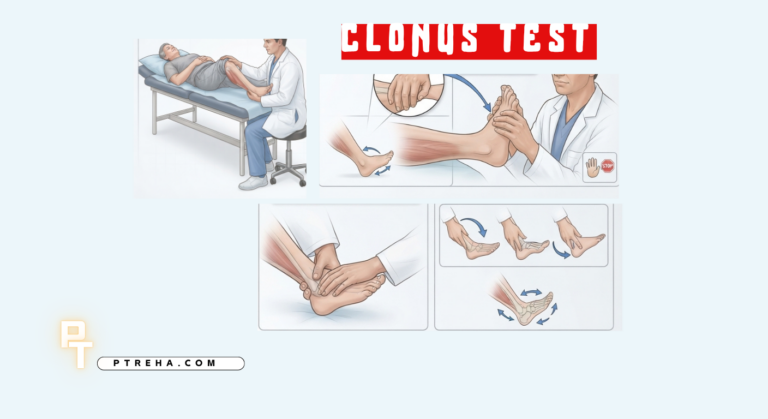
The Clonus Test is a neurological clinical assessment used to identify rhythmic, involuntary muscle contractions produced by a sudden sustained stretch. It is most…
Read more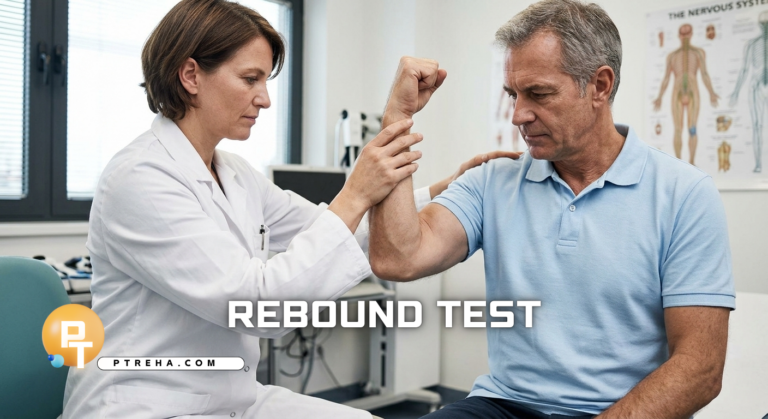
The Rebound Test, also called the Stewart–Holmes maneuver or Stewart holmes test, is a neurological bedside assessment used during examination of motor control and…
Read more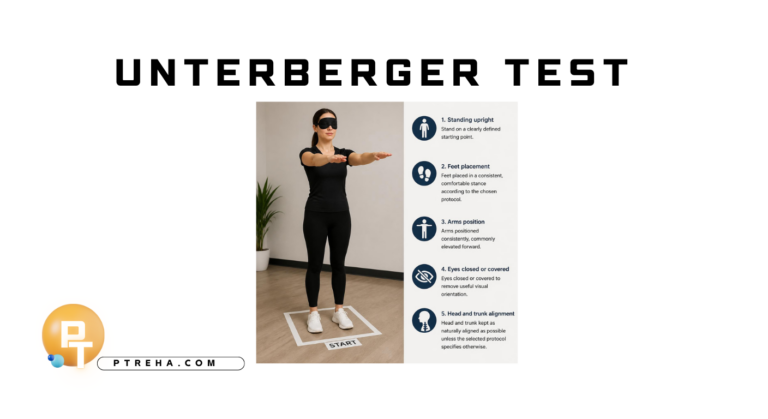
The Unterberger Test, also called the Fukuda–Unterberger or Fukuda stepping test, is a vestibular and neurological clinical performance assessment in which a person steps…
Read more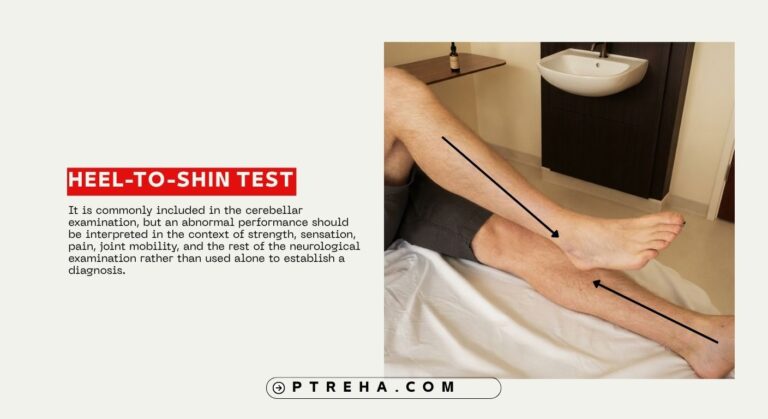
The Heel-to-Shin Test is a bedside neurological assessment used to examine lower-limb coordination and detect features of limb ataxia, particularly dysmetria. It is commonly…
Read more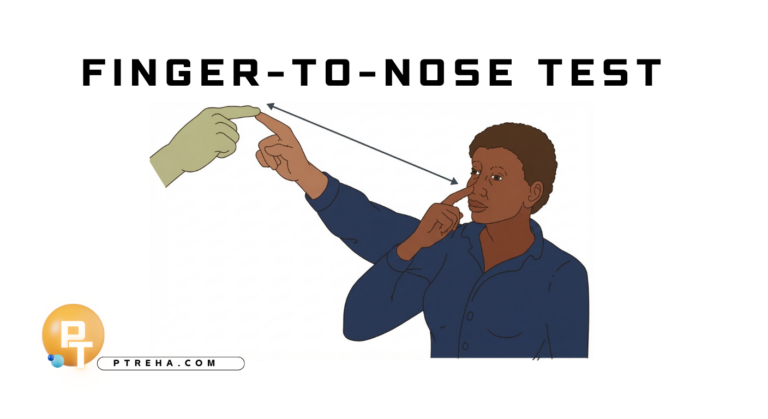
The Finger-to-Nose Test is a bedside neurological assessment used to examine upper-limb coordination during a goal-directed movement. It is commonly used as part of…
Read more