Neck & Back
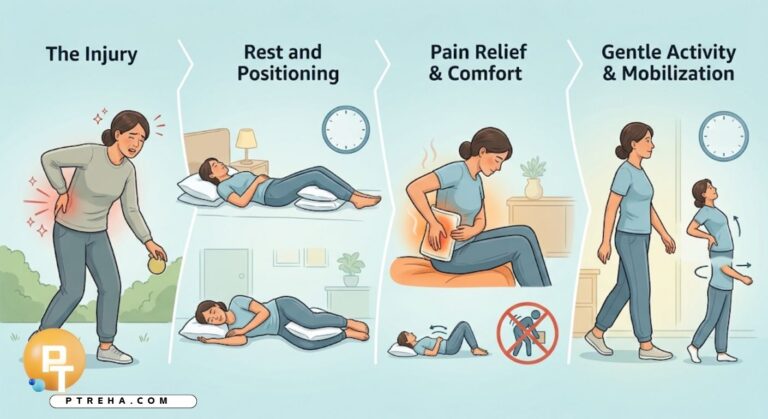
Back Spasm? Why Stretching Isn’t the First 48-Hour Fix
An acute lower back spasm can make even simple movements such as standing, turning in bed, or getting into a chair feel difficult. The…
Read morePost
Trusted physiotherapy guidance for patients with Neck & Back pain. Visit ptreha.com for expert advice, exercises, and recovery tips to move better.
An acute lower back spasm can make even simple movements such as standing, turning in bed, or getting into a chair feel difficult. The…
Read more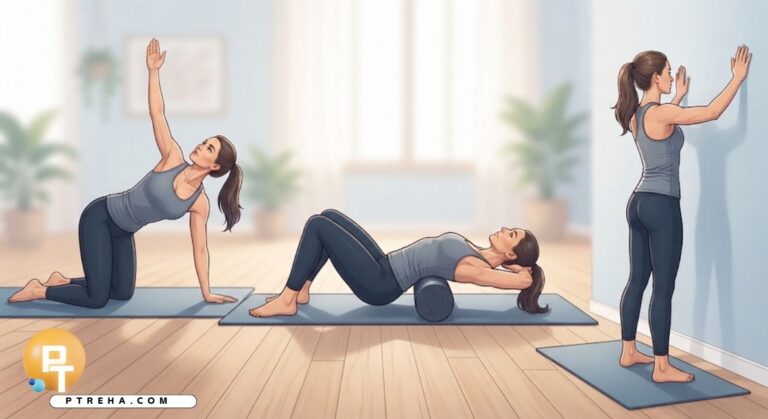
Thoracic stiffness and upper back tightness are common complaints, especially after long periods of sitting, repetitive work, reduced physical activity, or training that repeatedly…
Read more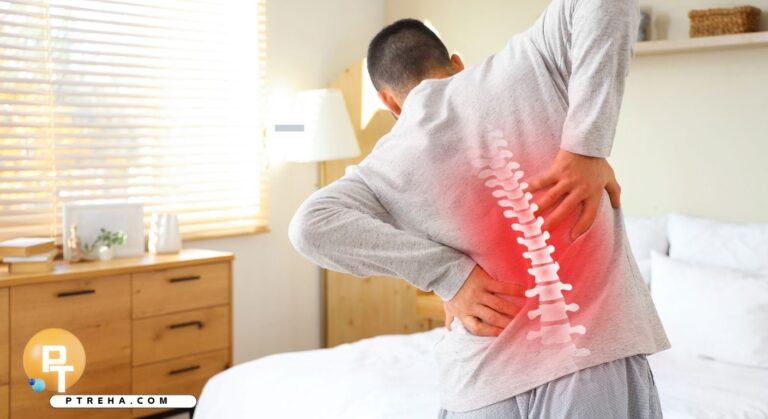
Lower back pain can become especially frustrating when your work requires hours at a desk. The goal is not to find one “perfect” sitting…
Read more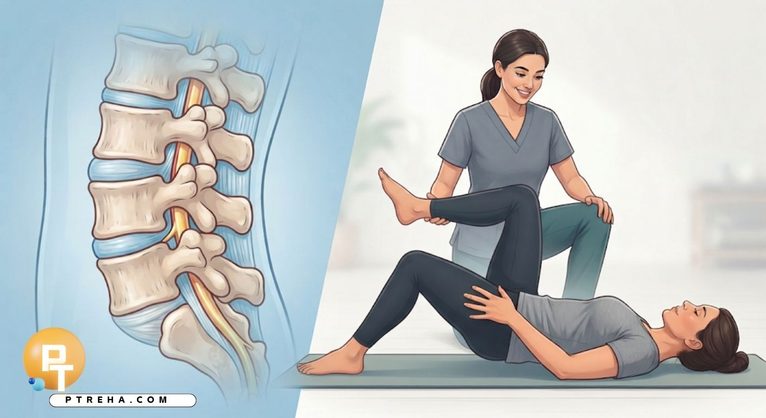
Spondylolisthesis is a spinal condition in which one vertebra shifts relative to the vertebra below it, most commonly in the lumbar spine. Symptoms range…
Read more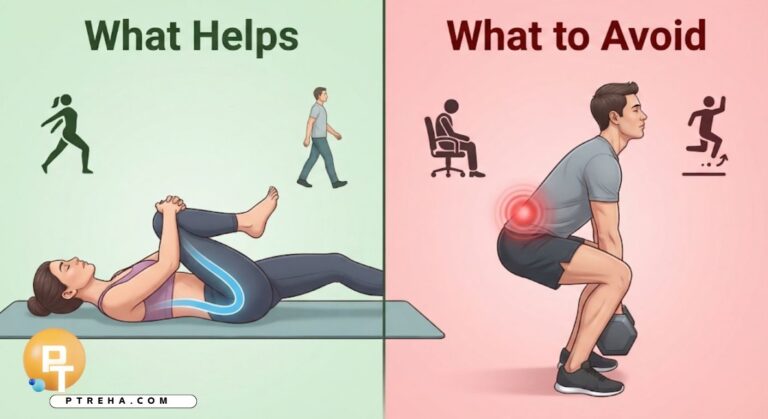
Sciatica describes pain or other nerve-related symptoms affecting the distribution of the sciatic nerve, commonly involving the buttock and back or side of one…
Read more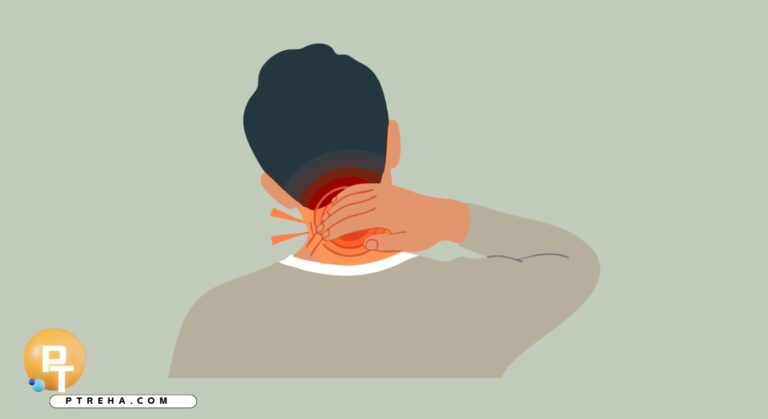
Arm numbness should not automatically be labeled cervical radiculopathy. The symptom distribution, neurological examination, movement response, and differential diagnosis all need to be considered.…
Read more
Foam rolling is often promoted as a simple way to “release” tight muscles, break up adhesions, and relieve back pain. In reality, foam rolling…
Read more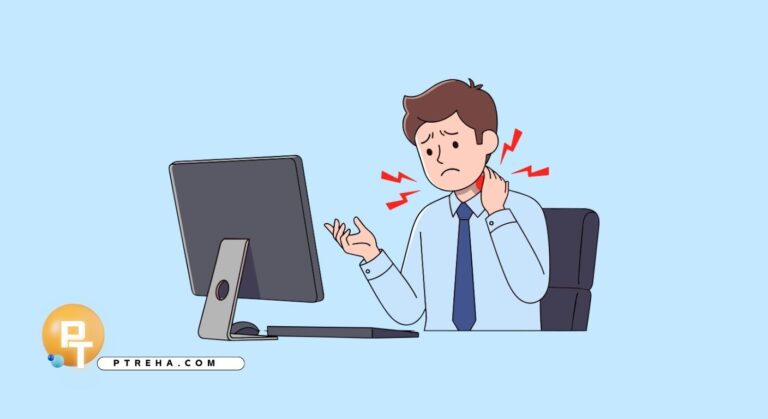
Long periods at a computer can leave the neck feeling tight, stiff, or achy, especially when the same head, neck, and shoulder position is…
Read more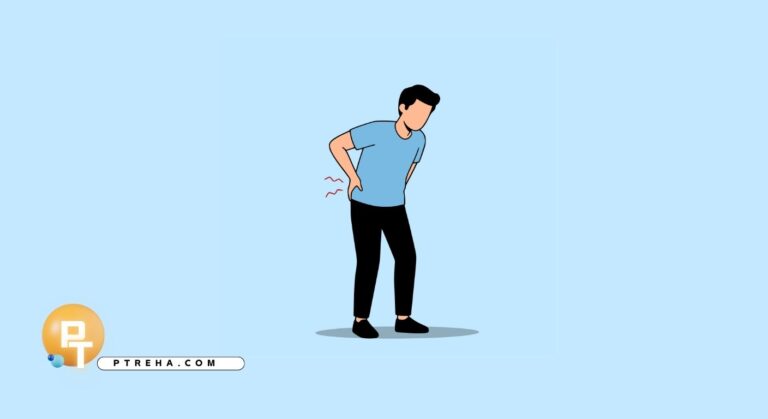
Morning lower back stiffness is common, especially when your back feels tight, achy, or difficult to move after getting out of bed. In many…
Read more