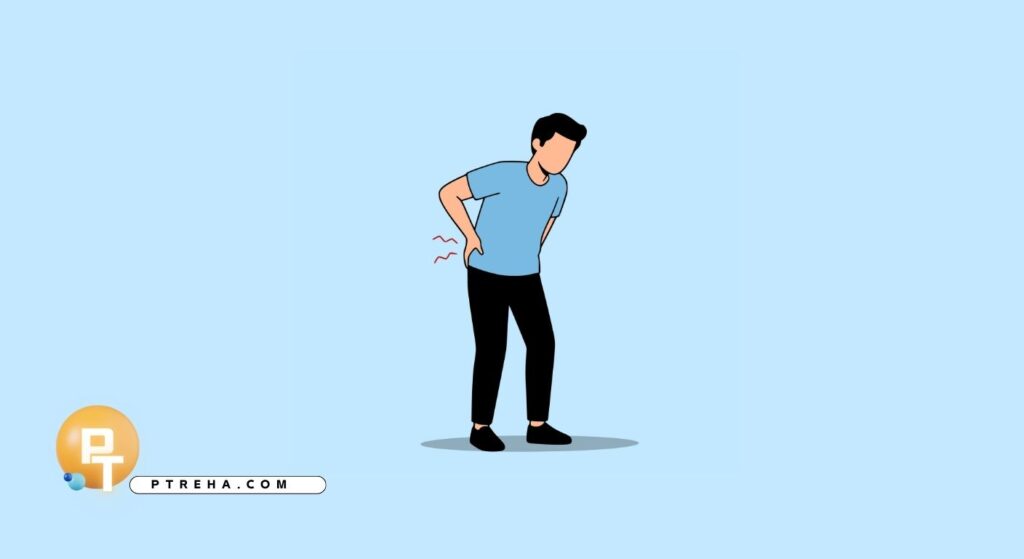
Morning lower back stiffness is common, especially when your back feels tight, achy, or difficult to move after getting out of bed. In many cases, it improves as you start moving, but persistent or worsening morning stiffness can sometimes indicate that your back needs a closer assessment.
The good news is that morning back stiffness does not automatically mean your spine is damaged. Staying active, improving your daily movement habits, addressing contributing factors, and choosing appropriate exercises can often help reduce symptoms and make mornings easier.
What Is Morning Lower Back Stiffness?
Morning lower back stiffness describes a feeling of tightness, reduced mobility, discomfort, or difficulty moving the lower back after waking.
Some people notice stiffness mainly when getting out of bed. Others may feel uncomfortable when bending forward, standing upright, turning, or walking during the first part of the morning.
Lower back pain is extremely common, and most cases are considered non-specific, meaning a specific anatomical structure or disease cannot be confidently identified as the sole cause. The World Health Organization estimates that non-specific low back pain accounts for about 90% of low back pain presentations.
Morning stiffness by itself therefore does not tell you exactly what is causing your symptoms.
Why Is My Lower Back Stiff in the Morning?
Several factors can contribute to morning lower back stiffness. Often, more than one factor is involved.
Staying in one position overnight
During sleep, you may remain in a relatively similar position for several hours. When you wake up, your joints, muscles, and other tissues may temporarily feel less mobile.
This can make the first few movements uncomfortable, particularly if you get out of bed quickly and immediately start bending, lifting, or twisting.
The stiffness often decreases after walking around or performing gentle movements.
Reduced movement during the day
If you spend much of the day sitting, driving, working at a computer, or otherwise being inactive, your back may be exposed to long periods of limited movement.
This does not necessarily mean that sitting has damaged your spine. Rather, your body may become less comfortable with prolonged positions and movement demands.
Regular physical activity is an important part of managing and preventing recurrent non-specific low back pain.
Sleeping position
Your sleeping position can influence how comfortable your lower back feels overnight.
There is no single sleeping position that is universally correct for everyone. A position that feels comfortable for one person may increase symptoms for another.
Instead of trying to force yourself into a particular position, pay attention to whether changing your position, pillow arrangement, or mattress setup makes you more comfortable.
Previous episodes of back pain
If you have experienced low back pain before, morning stiffness may occur again during a flare-up.
Recurrent episodes are common, and symptoms can change depending on physical activity, sleep, stress, work demands, and other individual factors.
A recurrence does not necessarily mean that your spine has become more damaged.
Physical workload
Heavy lifting, repetitive bending, prolonged standing, manual work, or a sudden increase in physical activity can temporarily increase back symptoms.
This is particularly relevant when your physical workload changes quickly—for example, returning to exercise after a period of inactivity or suddenly doing much more lifting than usual.
Stress and poor sleep
Pain is influenced by more than muscles and joints.
Stress, poor sleep, fatigue, and other factors can affect how strongly you experience pain and how well you cope with physical activity. For persistent low back pain, current guidance supports considering physical, psychological, and social factors together rather than focusing only on the spine.
Is Morning Back Stiffness a Sign of a Serious Problem?
Usually, morning stiffness alone is not enough to indicate a serious spinal condition.
Most low back pain is not caused by a dangerous disease, and serious causes are uncommon. However, new, unusual, severe, or progressively worsening symptoms deserve appropriate medical assessment.
The pattern of your symptoms matters more than the word “stiffness” itself.
For example, persistent symptoms accompanied by neurological changes, significant trauma, systemic symptoms, or other concerning features should not simply be treated as ordinary muscular tightness.
Morning stiffness is a symptom, not a diagnosis. The important question is why it is happening and how your symptoms behave throughout the day.
How to Reduce Morning Lower Back Stiffness
You do not necessarily need an elaborate morning routine. The goal is to gradually restore comfortable movement rather than aggressively stretch or force your back.
1. Move gently before getting out of bed
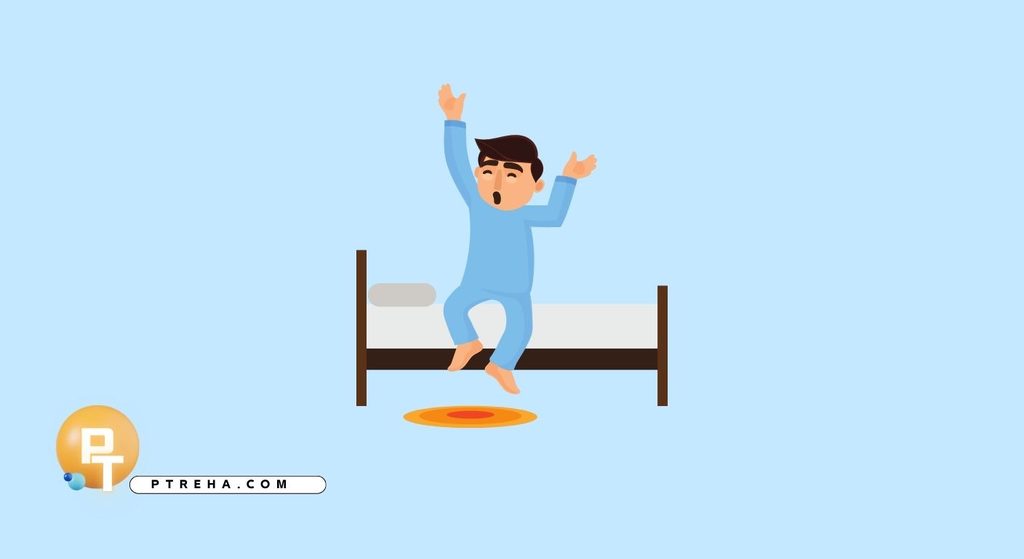
Instead of immediately sitting up and bending forward, spend a short period gently moving your body.
You might try:
- Slowly bending and straightening your knees.
- Moving your ankles.
- Gently rotating your pelvis.
- Taking several comfortable breaths.
- Slowly changing position before standing.
These movements should feel comfortable or mildly challenging, not sharp or progressively painful.
2. Walk after getting up

Walking is a simple way to introduce movement to your back and the rest of your body.
You do not need to walk for a specific number of minutes to make it effective. Start with a comfortable amount and gradually increase your activity according to your symptoms and general fitness.
For people with low back pain, remaining physically active is generally encouraged rather than prolonged bed rest. WHO also identifies physical activity and exercise as important components of rehabilitation and self-management.
3. Try gentle mobility exercises
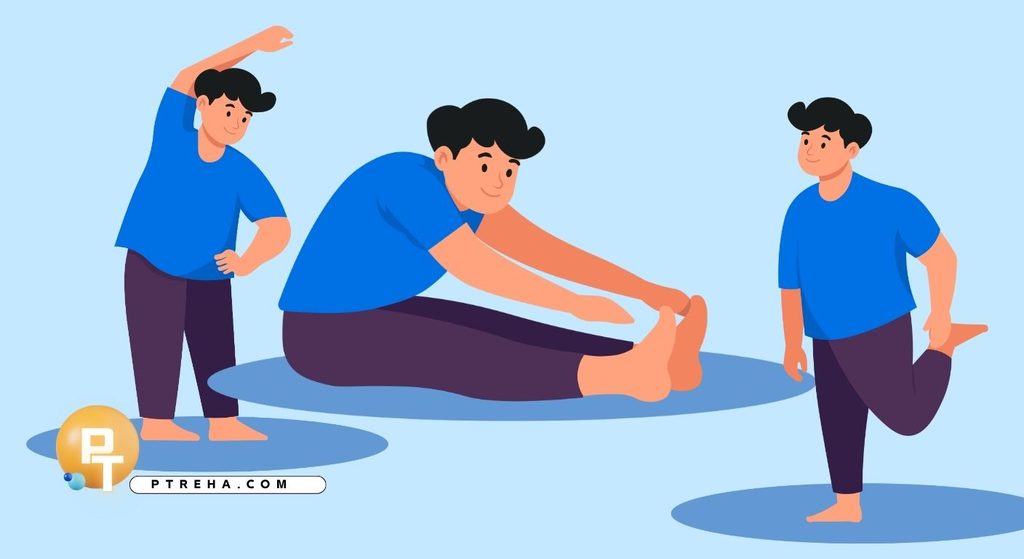
Depending on your symptoms, exercises such as pelvic tilting, gentle lumbar movements, hip mobility exercises, or controlled trunk movements may be useful.
However, there is no single “best exercise for morning back stiffness.”
The most appropriate exercise depends on your symptoms, movement limitations, physical capacity, and goals.
If a particular exercise repeatedly increases your symptoms significantly, stop and consider having your condition assessed by a physiotherapist.
4. Build overall strength
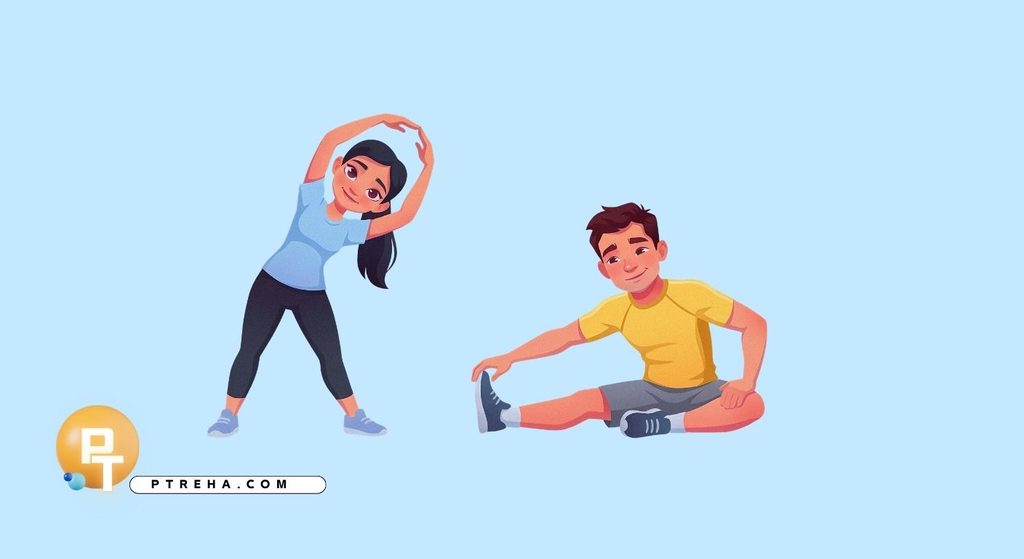
If morning stiffness occurs repeatedly, focusing only on stretching may not address the whole problem.
A progressive exercise program can include strengthening for the trunk, hips, legs, and other areas relevant to your daily activities.
Exercise programs are among the non-surgical interventions recommended in evidence-based guidance for persistent low back pain.
The goal is not to create a “perfect” spine. It is to improve your capacity to move, work, exercise, and perform daily activities with greater confidence.
5. Break up prolonged sitting
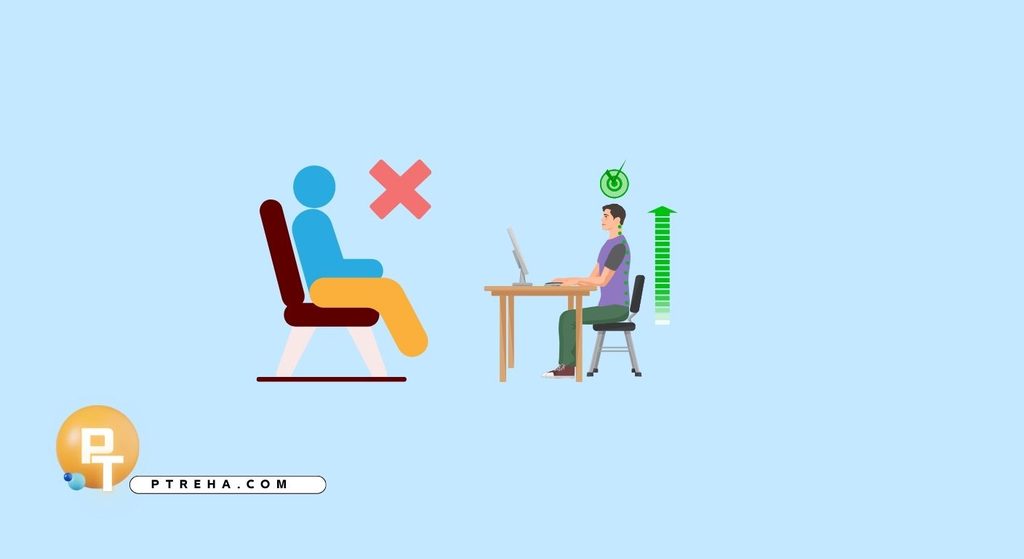
If you work at a desk, try to avoid spending the entire day in one position.
Changing positions, standing up, walking briefly, or performing normal daily movements can help reduce prolonged inactivity.
You do not need to maintain a perfectly upright posture every second. Variety and regular movement are often more practical than trying to hold one “ideal” posture all day.
6. Review your sleeping setup
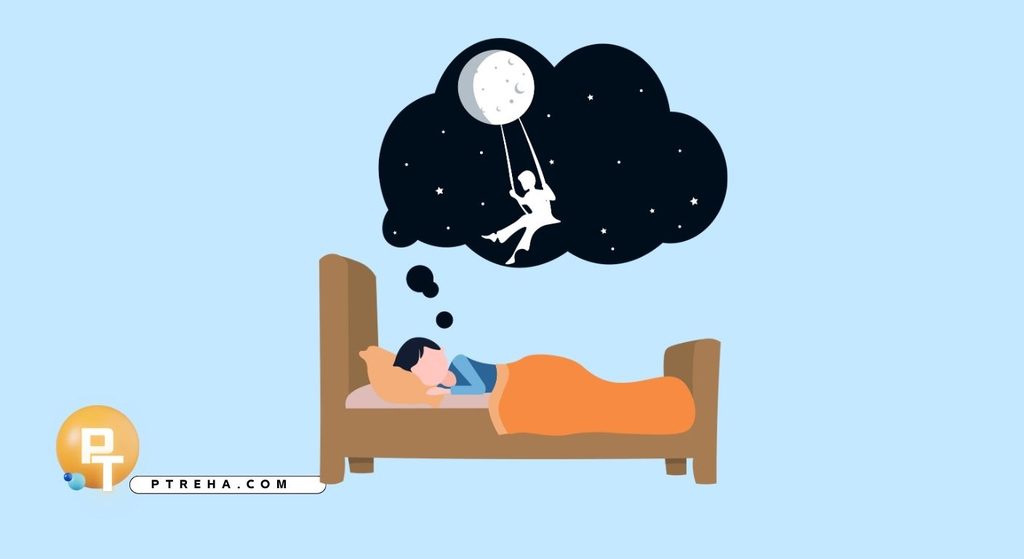
If you consistently wake with stiffness, consider whether your sleeping arrangement is contributing to discomfort.
Look at:
- Your sleeping position
- Pillow height and support
- Mattress comfort
- Whether symptoms change when you sleep in a different position
- Whether stiffness occurs every morning or only after certain nights
Avoid assuming that a particular mattress or sleeping position is universally better. Your response is more important than a generic rule.
Should You Stretch Your Lower Back in the Morning?
Gentle stretching can feel helpful for some people, but stretching is not automatically the solution to morning back stiffness.
A common mistake is to aggressively stretch the lower back because it feels tight.
If your symptoms are sensitive to bending, repeated deep forward flexion may aggravate them rather than solve the underlying problem.
Instead, begin with comfortable movements and gradually increase your range of motion. If stiffness continues despite regular movement, a physiotherapist can determine whether mobility, strength, activity modification, or another approach is more appropriate.
When Should You See a Physiotherapist?
Consider a physiotherapy assessment if your morning lower back stiffness:
- Keeps returning.
- Interferes with work, exercise, sleep, or daily activities.
- Is becoming more frequent or severe.
- Does not improve despite appropriate activity and self-management.
- Is associated with pain spreading into the leg.
- Is accompanied by numbness, tingling, or weakness.
- Makes normal movements increasingly difficult.
- Is causing you to avoid activities that you normally enjoy.
A physiotherapist can assess your movement, strength, functional limitations, symptom behavior, and relevant lifestyle or work factors.
The purpose is not simply to identify a “tight muscle.” A good assessment looks at the whole clinical picture and helps determine an appropriate management strategy.
When Is Morning Back Stiffness a Medical Red Flag?
Some symptoms require more urgent medical attention.
Seek urgent medical assessment if back pain is accompanied by new problems controlling your bladder or bowel, numbness around the genital or anal area, or significant or progressive weakness in the legs.
You should also seek prompt medical advice when back pain follows significant trauma or is accompanied by concerning systemic symptoms such as unexplained fever or unexplained weight loss.
Serious causes of low back pain are uncommon, but clinical guidelines emphasize screening for potentially serious conditions rather than assuming every episode is routine musculoskeletal pain.
Does Morning Stiffness Mean You Have Arthritis?
Not necessarily.
Morning stiffness can occur with many different conditions and does not by itself establish arthritis.
Some inflammatory rheumatic conditions can produce characteristic patterns of prolonged morning stiffness and other symptoms. If stiffness is persistent, particularly if it is accompanied by other unusual symptoms or does not behave like your previous episodes of mechanical back pain, medical assessment is appropriate.
A healthcare professional can determine whether further investigation is necessary.
What About Imaging Such as an MRI?
An MRI is not automatically required simply because your lower back feels stiff in the morning.
For uncomplicated low back pain, imaging findings often do not explain symptoms well, and many structural findings can also occur in people without significant pain. NICE notes that specific causes of low back pain are often difficult to identify confidently from clinical features or imaging alone.
Imaging is generally considered when the result is likely to change management or when there are clinical reasons to investigate a specific condition.
Your symptoms and clinical assessment should therefore guide decisions about further testing.
A Simple Morning Routine for a Stiff Lower Back
A practical approach is to make your first few minutes of the morning active but gentle.
Start by changing position slowly and performing several comfortable movements in bed. Once standing, walk around normally and gradually introduce your usual activities.
If you tolerate movement well, you can then perform a few controlled mobility or strengthening exercises that have been selected for your specific symptoms.
The routine should not be based on forcing your back to “loosen up.” Think of it as gradually increasing your movement and activity tolerance.
Common Mistakes That Can Make Morning Stiffness Worse
Staying in bed because movement feels uncomfortable
Avoiding all movement can sometimes make returning to normal activity more difficult.
Unless you have been specifically advised otherwise because of an acute medical condition or injury, gentle activity is generally preferable to prolonged inactivity for ordinary low back pain.
Stretching aggressively
More stretching is not necessarily better.
If an exercise produces sharp pain, significant symptom worsening, or symptoms that continue to escalate, it may not be appropriate for you.
Looking for one perfect posture
There is no single posture that prevents all back pain.
Your back is designed to move. Developing the capacity to tolerate different positions is generally more useful than becoming afraid of bending, sitting, or moving normally.
Treating every episode as a new injury
A painful or stiff morning does not automatically mean that you have injured your spine again.
Understanding how your symptoms behave can help you respond with appropriate activity rather than fear and unnecessary avoidance.
Can Physiotherapy Help Morning Lower Back Stiffness?
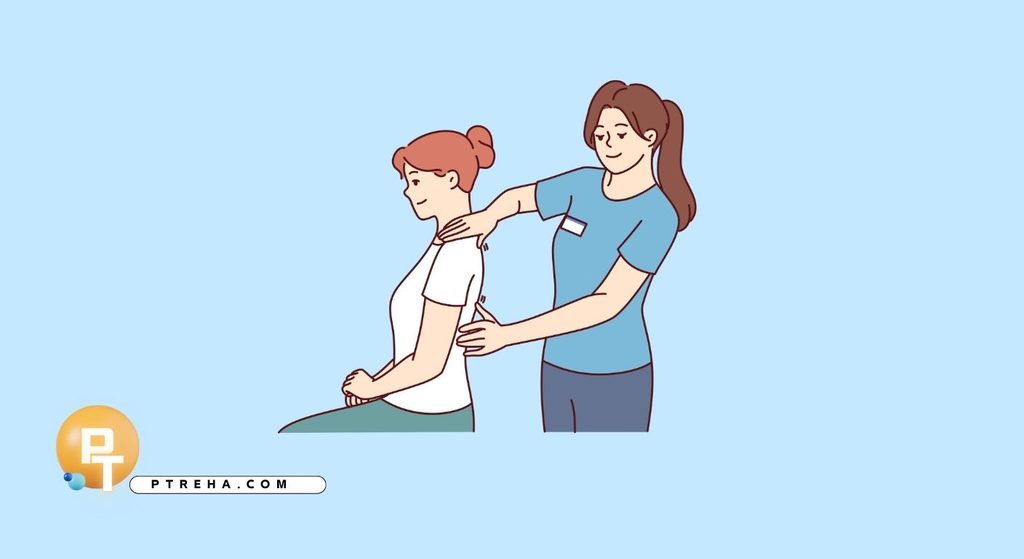
Physiotherapy can help when morning stiffness is affecting your function, recurring frequently, or not responding to self-management.
Treatment may include education, exercise therapy, movement retraining, activity modification, and other appropriate interventions based on your assessment.
For persistent low back pain, WHO recommends a person-centred approach that can combine education, exercise, physical interventions, and other appropriate strategies rather than relying on a single treatment for everyone.
A Simple Morning Exercise Plan
The following routine can be used as a gentle starting point if your symptoms are mild and movement does not cause significant worsening.
Do not force painful movements. If an exercise causes sharp pain, new numbness or tingling, increasing leg symptoms, or significant worsening that does not settle, stop the exercise and seek appropriate clinical advice.
1. Knee Bends in Bed
Purpose: Gently introduce movement before getting up.
Lie on your back with both legs relaxed.
Slowly bend one knee and then straighten it. Repeat with the other leg.
Start with: 8–10 repetitions per side.
Move slowly and comfortably. You do not need to push into your maximum range.
2. Pelvic Tilts
Purpose: Gently move the pelvis and lower back through a small comfortable range.
Lie on your back with your knees bent and feet supported on the bed.
Gently tilt your pelvis so that your lower back moves slightly toward the bed, then relax and return to your starting position.
Start with: 8–12 repetitions.
The movement should be small and controlled rather than a forceful flattening of the back.
3. Lower Trunk Rotation
Purpose: Introduce gentle rotational movement.
Lie on your back with your knees bent and feet supported.
Keeping your shoulders relaxed, slowly allow both knees to move a small distance toward one side. Return to the middle and repeat on the other side.
Start with: 5–8 repetitions per side.
Only move through a comfortable range.
4. Cat-Camel Movement
Purpose: Gently move the spine through flexion and extension.
Start on your hands and knees.
Slowly round your back, then gradually move toward a comfortable neutral or slightly extended position.
Do not force either end of the movement.
Start with: 6–10 repetitions.
If getting onto the floor is uncomfortable, skip this exercise.
5. Hip Bridge
Purpose: Progress from mobility toward strengthening the hips and trunk.
Lie on your back with your knees bent and feet supported.
Gently tighten your abdominal muscles and squeeze your buttocks. Lift your hips slowly, then lower them with control.
Start with: 6–10 repetitions.
As you become more comfortable, gradually increase the number of repetitions or sets rather than trying to lift as high as possible.
6. Sit-to-Stand
Purpose: Practice a functional movement and strengthen the legs and hips.
Sit near the front of a stable chair with your feet positioned comfortably underneath you.
Lean your trunk slightly forward and stand up. Then slowly sit back down.
Start with: 6–10 repetitions.
Use your hands for support if necessary. As your strength improves, gradually reduce your reliance on your hands.
7. Walking
After the mobility exercises, walk around your home or outdoors at a comfortable pace.
Walking can be a useful way to transition from the relatively inactive period of sleep to normal daily activity.
There is no need to achieve a specific distance or duration for everyone. Start with an amount that you tolerate well and gradually increase your activity.
Frequently Asked Questions
Why is my lower back stiff when I wake up?
Morning stiffness can be related to prolonged inactivity during sleep, physical workload, previous episodes of back pain, sleep factors, or other individual factors. The symptom alone cannot identify a specific cause.
Is morning lower back stiffness normal?
It can occur with common, non-specific low back pain and does not automatically indicate a serious problem. Persistent, worsening, or unusual symptoms should be assessed appropriately.
How long should morning back stiffness last?
There is no universal normal duration. The pattern, severity, recurrence, and effect on your daily activities are more useful than relying on a specific number of minutes.
Should I exercise if my lower back is stiff in the morning?
For many people with non-specific low back pain, staying active and gradually exercising is helpful. However, the type and intensity of exercise should be appropriate for your symptoms and physical capacity.
Is walking good for morning back stiffness?
Walking is a simple way to reintroduce movement after sleeping and can be part of an active approach to managing low back pain. Start at a comfortable level and gradually build your activity.
Should I use heat for morning back stiffness?
Some people find warmth comfortable and relaxing, although it does not address every possible cause of back stiffness. If heat consistently helps you move more comfortably, it can be used as a comfort strategy alongside appropriate activity.
Can a bad mattress cause lower back stiffness?
Your sleeping environment may influence comfort, but a mattress should not automatically be considered the cause of your symptoms. Look at your overall sleep position, comfort, symptoms, and other contributing factors.
Is morning stiffness a sign of a herniated disc?
Not by itself. A herniated disc can occur with different symptom patterns, but morning stiffness alone cannot establish a disc problem.
When should I worry about morning back stiffness?
Seek medical assessment when symptoms are severe, progressively worsening, associated with neurological changes, follow significant trauma, or occur with concerning systemic symptoms. New bladder or bowel dysfunction, saddle-area numbness, or significant progressive leg weakness requires urgent assessment.
Can a physiotherapist diagnose the cause of my back stiffness?
A physiotherapist can perform a clinical assessment and identify relevant movement, functional, and symptom patterns while screening for reasons that may require medical referral. Not every episode of low back pain has an identifiable single anatomical cause.
Recommended resources
- World Health Organization (WHO) — Guideline for non-surgical management of chronic primary low back pain
This is the strongest overarching source for the article. WHO includes structured exercise among recommended non-surgical interventions for chronic primary low back pain and emphasizes person-centred, individualized care.
WHO Low Back Pain Guideline - NICE — Low back pain and sciatica in over 16s: assessment and management (NG59)
NICE recommends considering exercise for people with low back pain or sciatica, with the type of exercise selected according to the person’s needs, preferences, and capabilities. It also recommends encouraging people to continue normal activities.
NICE NG59: Low back pain and sciatica - WHO — Package of Interventions for Rehabilitation: Musculoskeletal Conditions
This WHO rehabilitation resource specifically includes low back pain within its musculoskeletal rehabilitation package and is useful as a broader rehabilitation reference.
WHO Rehabilitation Package: Musculoskeletal Conditions