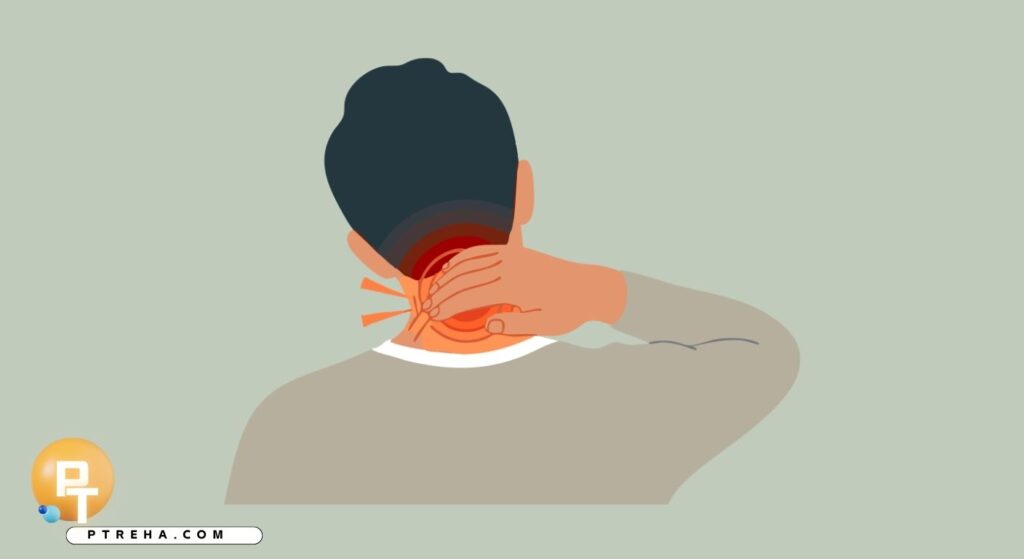
Arm numbness should not automatically be labeled cervical radiculopathy. The symptom distribution, neurological examination, movement response, and differential diagnosis all need to be considered.
Cervical radiculopathy occurs when a cervical nerve root is irritated or compressed, producing symptoms that may extend from the neck into the shoulder, arm, forearm, or hand. The presentation can include pain, tingling, numbness, weakness, or reflex changes, and a careful clinical assessment is important because several other conditions can produce similar arm symptoms.
What is cervical radiculopathy?
Cervical radiculopathy is a neurological disorder involving one or more nerve roots in the cervical spine. The affected nerve root can produce symptoms along its distribution into the upper limb rather than keeping symptoms localized to the neck.
Common symptoms include:
- Neck pain
- Radiating arm pain
- Tingling or pins and needles
- Numbness
- Altered skin sensation
- Muscle weakness
- Changes in tendon reflexes
- Difficulty with gripping or lifting
- Reduced tolerance for certain neck positions
The underlying problem may involve disc-related changes, narrowing of the intervertebral foramen, cervical spondylotic changes, or other processes affecting the nerve root. Structural findings on imaging do not automatically prove that a particular abnormality is responsible for symptoms because degenerative changes may also occur in people without neurological complaints.
The term radiculopathy is clinically important because it suggests neurological involvement. Neck pain that simply refers into the shoulder is not necessarily the same condition.
Why neck problems can cause arm numbness
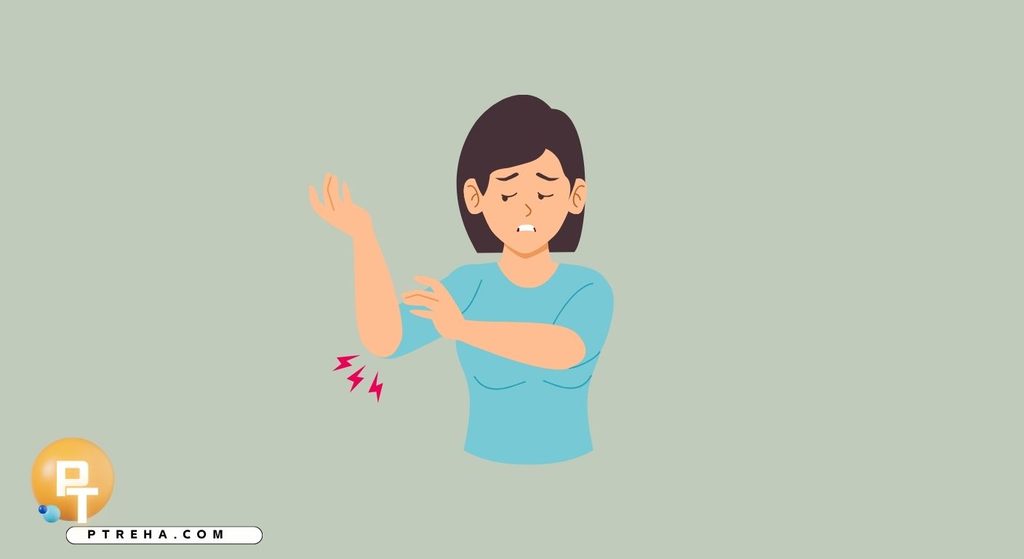
Cervical nerve roots contribute to the nerves that supply the upper limb. When a nerve root is irritated, the patient may therefore feel symptoms in an area distant from the neck.
For example, a person may report neck pain accompanied by tingling into the thumb, while another may describe symptoms extending toward the forearm or hand. These patterns can provide useful clues, but dermatomal maps are not perfectly precise and sensory territories overlap.
The nervous system also contains multiple structures that can become mechanically or chemically sensitive. Symptoms may therefore change with cervical posture, upper-limb position, loading, or neural tension without one isolated movement proving the exact mechanism.
Important features to ask about include:
- Where the symptoms begin
- Where the symptoms travel
- Whether pain reaches below the elbow
- Whether numbness is constant or intermittent
- Whether weakness is present
- Which movements increase symptoms
- Which positions reduce symptoms
- Whether coughing or straining changes symptoms
- Whether symptoms interfere with sleep or daily activities
- Whether symptoms are worsening over time
A patient who says, “My neck hurts and sometimes my arm tingles when I look up,” provides a different clinical picture from someone reporting persistent numbness and progressively weaker hand function.
Common causes and contributing factors
Cervical radiculopathy can arise from several structural and biological processes rather than one single cause. Disc herniation, degenerative changes, and foraminal narrowing are common contributors, while less common causes require consideration when the clinical presentation is unusual or accompanied by concerning findings.
Potential contributing factors include:
- Cervical disc protrusion or herniation
- Foraminal narrowing
- Osteophyte-related narrowing
- Cervical spondylotic changes
- Previous cervical trauma
- Repetitive loading
- Sustained or aggravating positions
- Reduced tolerance to cervical or upper-limb loading
It is important not to blame posture alone. A person can spend many hours at a computer without developing radiculopathy, while another person may experience symptoms during relatively ordinary activities.
For instance, a desk worker may notice arm symptoms after prolonged neck extension and rotation. The position may aggravate an already sensitive cervical region, but the posture itself does not establish the diagnosis.
What does cervical radiculopathy feel like?
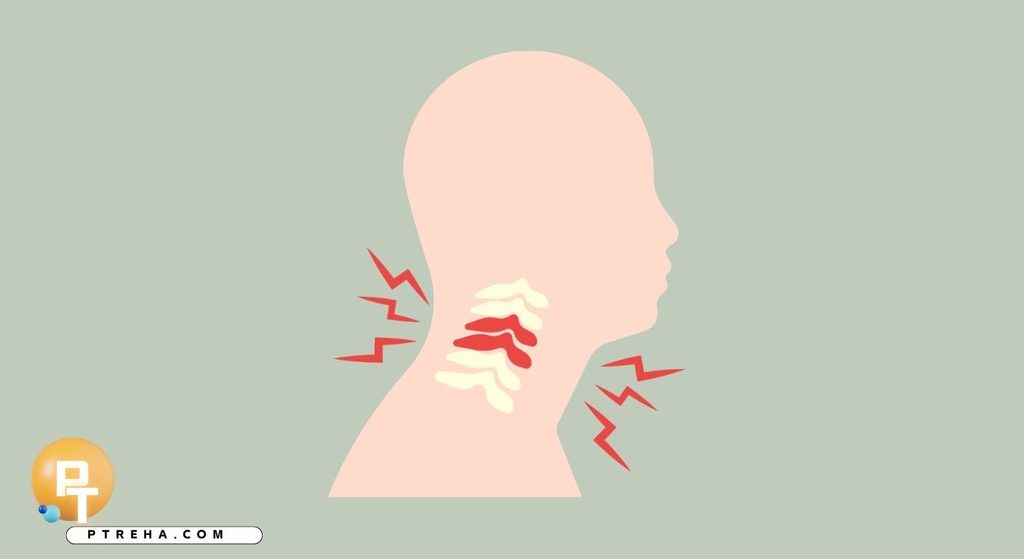
The clinical presentation varies. Some people mainly report radiating pain, whereas others notice numbness, weakness, or altered sensation with less prominent neck pain.
Common patient descriptions include:
- Burning pain
- Electric or shooting pain
- Deep aching pain
- Pins and needles
- Numbness
- A heavy feeling in the arm
- A sense that the hand is weaker
- Pain reproduced by specific neck positions
- Difficulty maintaining a grip
- Reduced coordination during tasks involving the affected hand
The distinction between subjective symptoms and objective findings is particularly important. A patient may describe weakness without measurable loss of force, while another patient may demonstrate clear weakness during a neurological examination.
A clinician may therefore compare specific muscle actions between sides and examine reflexes and sensation.
The symptom pattern can also change during recovery. Pain may improve before numbness completely resolves, or arm symptoms may decrease while some local neck stiffness remains.
Patient example: A person who initially experiences severe neck and arm pain may later notice mainly intermittent tingling in the hand. A change in symptoms does not necessarily mean the condition has worsened; the whole neurological and functional picture should be reassessed.
Cervical radiculopathy versus other causes of arm symptoms
Arm pain and numbness have a broad differential diagnosis. Cervical radiculopathy can resemble peripheral nerve disorders, shoulder conditions, brachial plexus problems, or cervical spinal cord disorders.
Conditions that may need consideration include:
- Median nerve entrapment
- Ulnar nerve entrapment
- Radial neuropathy
- Brachial plexus disorders
- Shoulder pathology
- Peripheral polyneuropathy
- Cervical myelopathy
- Referred musculoskeletal pain
- Less common systemic or vascular disorders
The distribution of symptoms can provide useful information. For example, symptoms strongly associated with a peripheral nerve territory may require examination of the corresponding nerve outside the cervical spine.
The clinician should also compare the symptom behavior with findings from the cervical spine, shoulder, and neurological examination.
A useful principle is to avoid asking only, “Which structure hurts?” Instead, ask whether the complete pattern is consistent with a nerve-root disorder and whether alternative explanations fit better.
How clinicians assess cervical radiculopathy
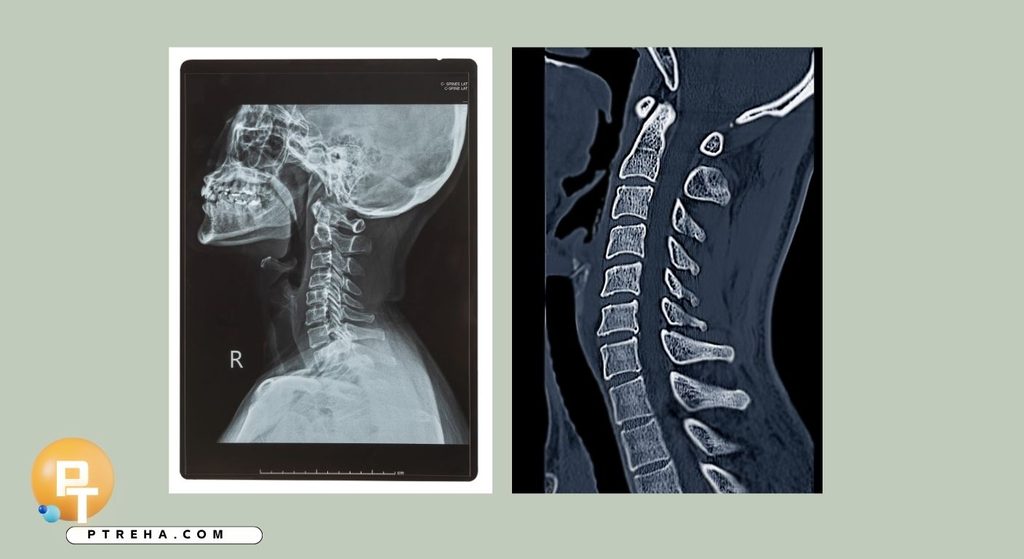
Clinical assessment begins with history taking and screening for serious pathology. The examination then combines neurological, cervical, upper-limb, and functional findings rather than depending on one test.
Assessment commonly includes:
- Cervical active range of motion
- Myotomal muscle testing
- Sensory testing
- Deep tendon reflexes
- Upper-limb neurodynamic testing
- Spurling-type testing
- Cervical distraction testing
- Shoulder examination when appropriate
- Peripheral nerve assessment
- Functional assessment
Clinical practice guidelines for neck pain with radiating symptoms support the use of a combination of examination findings, including upper-limb tension testing, Spurling testing, distraction testing, and appropriate neurological assessment.
What individual tests can and cannot tell you
Spurling testing may reproduce familiar arm symptoms in people with cervical radiculopathy and has generally shown greater specificity than sensitivity. That means a positive result that reproduces the patient’s characteristic symptoms may increase clinical suspicion, but a negative test does not reliably exclude the disorder.
The upper-limb tension test is often used as part of the examination because a negative result can help reduce the likelihood of cervical radiculopathy when it is consistent with the rest of the assessment. However, testing procedures and definitions of a positive response vary between studies.
A practical examination therefore considers the combination of:
| Clinical finding | Why it matters |
|---|---|
| Neck and arm pain | Helps establish the overall symptom pattern |
| Sensory change | May support neurological involvement |
| Myotomal weakness | May indicate motor involvement |
| Reflex asymmetry | Can support a nerve-root disorder |
| Spurling-type provocation | May reproduce concordant arm symptoms |
| Upper-limb neurodynamic findings | Provides information about neural mechanosensitivity |
| Cervical movement response | Helps identify symptom-provoking or relieving movements |
| Shoulder and peripheral nerve findings | Helps evaluate alternative diagnoses |
No single examination finding should be interpreted in isolation. There is also no universally perfect reference standard for cervical radiculopathy, which limits how confidently diagnostic accuracy numbers should be interpreted.
Does cervical radiculopathy require an MRI?
Not every patient with neck and arm symptoms requires immediate imaging. Imaging decisions should depend on the clinical presentation, duration and progression of symptoms, neurological findings, presence of red flags, and whether the result would change management.
The American College of Radiology considers MRI without contrast appropriate in selected patients with cervical pain and radiculopathy, particularly when symptoms are persistent or when additional investigation is clinically justified. Imaging is generally not used simply because a person has ordinary neck pain.
Imaging becomes more relevant when:
- Neurological deficits are progressing
- Symptoms persist despite appropriate conservative care
- Serious pathology is suspected
- Surgical treatment is being considered
- The clinical picture is unusual
- The imaging result could alter treatment decisions
MRI can provide information about discs, neural structures, and other soft tissues. However, the report should always be interpreted alongside symptoms and examination findings rather than treated as an independent diagnosis.
Physical therapy management
Conservative rehabilitation is appropriate for many patients with cervical radiculopathy, particularly when there is no progressive neurological deficit or other indication for urgent medical intervention. The natural history is generally favorable in many cases, although the speed and completeness of recovery vary considerably between individuals.
A physiotherapy program may include:
- Patient education
- Activity modification
- Cervical mobility exercises
- Thoracic mobility exercises
- Progressive strengthening
- Scapular and upper-quarter training
- Neural mobilization
- Manual therapy
- Cervical traction in selected cases
- Graded return to normal activity
Recent evidence supports multimodal rehabilitation for cervical radicular pain, while the effects of individual interventions are less uniform. Research examining neural mobilization, joint mobilization, and traction suggests potential benefits in selected patients, but the quality and consistency of evidence differ among interventions.
How Exercises for Cervical Radiculopathy should be progressed
Exercises for Cervical Radiculopathy should be individualized rather than based on a fixed routine.
A practical approach may include:
- Begin with movements that are tolerated
- Avoid repeatedly provoking severe distal symptoms
- Monitor symptoms during and after exercise
- Progress resistance gradually
- Restore useful neck and upper-limb movement
- Rebuild strength according to demonstrated deficits
- Increase functional loading step by step
- Reassess when symptoms change
For example, someone whose arm symptoms decrease with gentle movement may begin with low-load mobility work and gradually progress to strengthening. Someone whose symptoms become significantly worse with a particular movement may need a different starting position or exercise selection.
Traction deserves a balanced interpretation. Earlier reviews have found some support for adding traction to other physical therapy treatments, while other systematic reviews have questioned whether the average pain reduction is clinically meaningful. More recent evidence suggests that traction combined with neural mobilization may improve pain and disability compared with limited-treatment controls, but certainty varies and it should not be treated as a universal solution.
When arm numbness requires medical attention
Most cases can be evaluated routinely, but some presentations require prompt medical assessment.
Important warning signs include:
- Rapidly worsening weakness
- New difficulty walking
- New balance problems
- Increasing hand clumsiness
- Symptoms involving multiple limbs
- New bowel or bladder dysfunction
- Major neurological changes after trauma
- Fever with severe spinal symptoms
- Unexplained systemic symptoms
- Concern for serious underlying disease
Gait disturbance, bilateral or widespread neurological symptoms, and new hand dysfunction may suggest cervical spinal cord involvement rather than an isolated nerve-root problem.
The key issue is progression. A person with stable, improving symptoms is clinically different from someone whose neurological function is deteriorating.
What patients can do at home
Self-management should focus on maintaining appropriate activity while avoiding unnecessary aggravation.
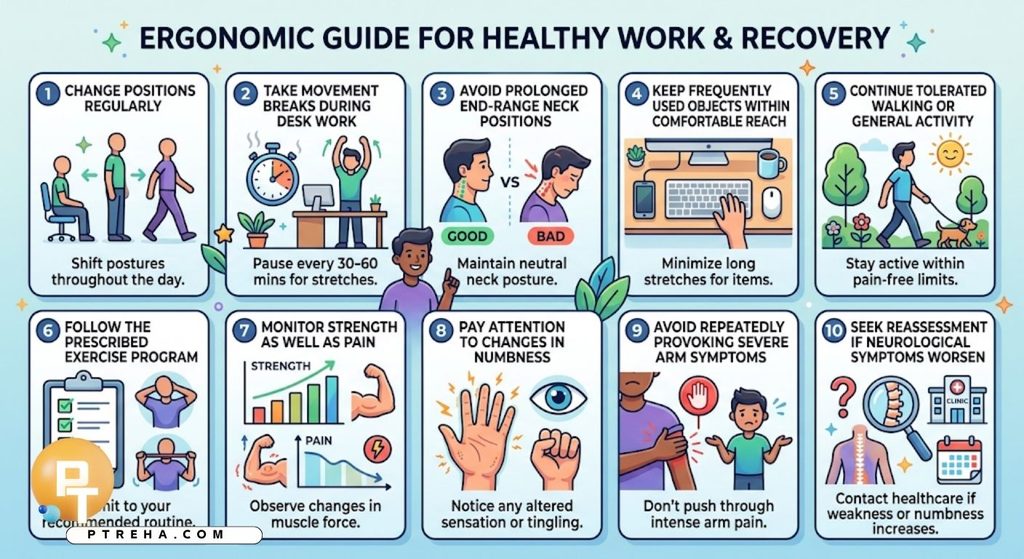
Helpful strategies include:
- Change positions regularly
- Take movement breaks during desk work
- Avoid prolonged end-range neck positions
- Keep frequently used objects within comfortable reach
- Continue tolerated walking or general activity
- Follow the prescribed exercise program
- Monitor strength as well as pain
- Pay attention to changes in numbness
- Avoid repeatedly provoking severe arm symptoms
- Seek reassessment if neurological symptoms worsen
Complete rest is rarely the only answer. At the same time, repeatedly forcing a painful or strongly neurologically provocative movement is not a sensible way to “stretch out” a nerve.
A person who notices increasing weakness, persistent loss of sensation, or new coordination problems should not simply increase home exercises and wait for improvement.
Conclusion
Cervical radiculopathy can produce a combination of neck pain, radiating arm pain, tingling, numbness, weakness, and reflex changes. Because several conditions can create similar symptoms, diagnosis depends on the complete clinical picture rather than on one symptom, one movement, or one imaging finding.
For many patients, conservative physiotherapy is an appropriate part of management. Education, symptom-guided movement, progressive exercise, and carefully selected manual, neural, or traction-based techniques can be combined according to the patient’s presentation and response. The most important clinical priority is recognizing progressive neurological deficits or other red flags that require further medical assessment.
Frequently Asked Questions
What is cervical radiculopathy?
Cervical radiculopathy is a condition involving a cervical nerve root that can cause radiating arm pain, altered sensation, weakness, or reflex changes. It is assessed clinically by combining the patient’s history with neurological and musculoskeletal examination findings.
Can cervical radiculopathy cause numbness without severe neck pain?
Yes. Neck pain can be relatively mild while arm pain, tingling, or numbness is more prominent. The absence of severe neck pain does not exclude cervical radiculopathy.
Which fingers become numb with cervical radiculopathy?
The affected area depends partly on which nerve root is involved, but sensory distributions overlap considerably. Finger symptoms should therefore be interpreted together with muscle strength, reflexes, pain distribution, and other clinical findings.
Is cervical radiculopathy the same as a pinched nerve?
The terms are often used interchangeably in everyday language, but “pinched nerve” is less precise. Cervical radiculopathy refers to a clinical disorder involving a cervical nerve root and may include pain, sensory changes, weakness, or altered reflexes.
Can physiotherapy help cervical radiculopathy?
Physiotherapy can be an important component of conservative management. Treatment may include education, exercise, mobility work, manual therapy, and selected neural or traction techniques depending on the individual clinical presentation.
Should I stop exercising if I have arm numbness?
Not necessarily. Activity is usually modified rather than automatically stopped, but exercises that clearly worsen neurological symptoms should be reassessed. A physiotherapist can help determine appropriate loading and progression.
Do I need an MRI for cervical radiculopathy?
Not everyone needs immediate MRI. Imaging is generally considered when the clinical situation warrants it, such as persistent symptoms, progressive neurological deficits, concerning findings, or when imaging would affect management.
Can cervical radiculopathy improve without surgery?
Many patients improve with nonoperative management, and the natural course is favorable for a substantial proportion of people. However, persistent or progressive neurological deficits require individualized medical assessment rather than relying solely on expected natural recovery.
Is cervical traction useful for cervical radiculopathy?
Traction may help selected patients, particularly when incorporated into a broader rehabilitation program. Evidence is mixed regarding the size and clinical importance of its effects, so it should be prescribed according to the individual presentation rather than routinely used for everyone.
When should I see a doctor about arm numbness?
Medical assessment is appropriate when numbness is persistent, unexplained, or associated with weakness or significant functional change. Prompt assessment is particularly important when weakness is progressing, walking or balance changes develop, hand function deteriorates, or other neurological or systemic warning signs appear.
Resources
American College of Radiology — Cervical Pain or Cervical Radiculopathy
ACR Appropriateness Criteria
PubMed — Cervical Radiculopathy: Focus on Characteristics and Differential Diagnosis
PubMed resource
PubMed — Systematic Review of Diagnostic Tests for Cervical Radiculopathy
PubMed resource
PubMed — Diagnostic Performance of Spurling’s Test
PubMed resource
PubMed — Articular and Neural Mobilization for Cervical Radicular Pain
PubMed resource
PubMed — Cervical Traction and Neural Mobilization
PubMed resource