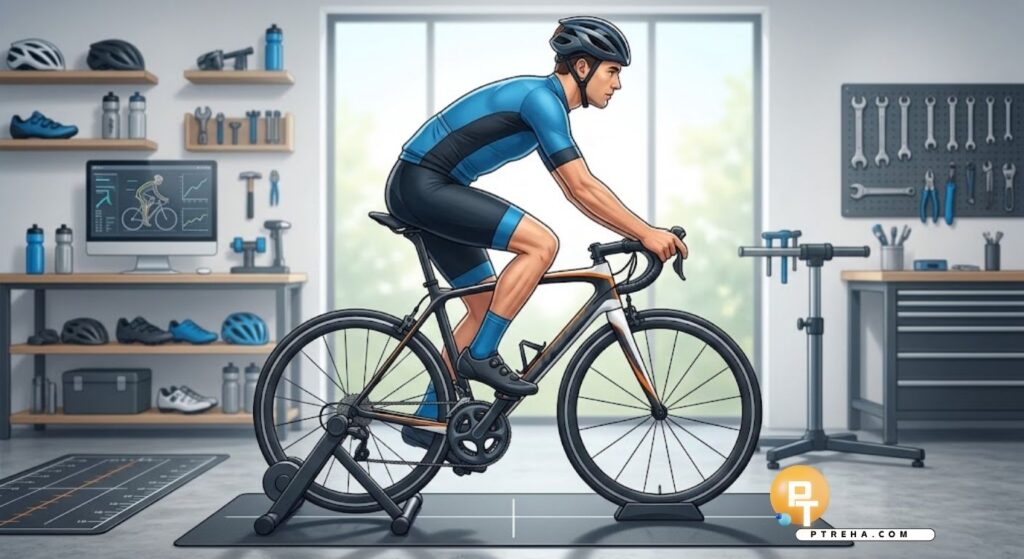
A comfortable cycling position is not simply about making the bicycle “look right.” Good cycling bike fitting basics involve matching saddle height, saddle position, reach, handlebar setup, and foot position to the rider’s body and riding demands so that repeated pedaling does not unnecessarily overload the knees or lower back.
Why Bike Fit Matters for Knee and Lower Back Pain
Cycling involves thousands of repeated pedal revolutions during a long ride.
A relatively small positioning problem may therefore become important when the same movement is repeated under resistance.
From a physical therapy perspective, bike fit should not be considered a diagnosis or a treatment for every cycling-related pain problem.
It is one part of assessing how the cyclist moves, how much load they tolerate, and whether recent training or equipment changes may have contributed to symptoms.
Important factors include:
- Saddle height
- Saddle fore-aft position
- Handlebar reach
- Handlebar height
- Cleat or foot position
- Crank length
- Cadence
- Cycling intensity
- Weekly training volume
- Previous injuries
- Hip and ankle mobility
- Trunk endurance
Research examining cycling knee biomechanics shows that saddle height, saddle position, cadence, power output, crank length, and foot position can all influence movement or loading around the knee.
However, the relationship between one particular bike-fit measurement and injury is not simple.
The evidence is summarized well in this systematic review of cycling knee biomechanics.
A cyclist with pain therefore needs more than a tape measure.
The position must also be evaluated while the person is actually pedaling.
Start With Saddle Height
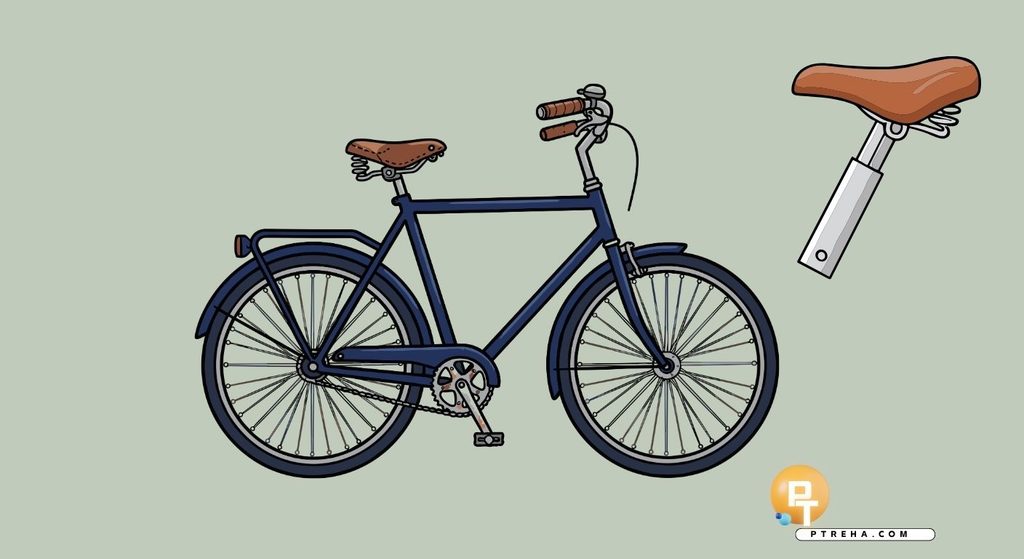
Saddle height is one of the first measurements I would examine when reviewing a cyclist’s position because it directly changes knee, hip, and ankle movement throughout the pedal stroke.
A saddle that is substantially too low generally leaves the knee more flexed throughout pedaling.
A saddle that is too high may cause excessive reaching toward the bottom of the pedal stroke.
Signs that the saddle may deserve closer assessment include:
- Excessive knee bend at the bottom of the stroke
- Feeling cramped while pedaling
- Hips rocking from side to side
- Reaching for the pedals with the toes
- Difficulty maintaining stable pelvic position
- Repeated sliding forward on the saddle
- Knee discomfort appearing after increasing riding time
- Changes in comfort after replacing the saddle or seatpost
There is no single saddle-height number that is correct for every cyclist.
A major systematic review examining methods for determining saddle height found stronger support for using dynamic knee-angle measurements than relying only on static formulas based on leg length.
It also emphasized that small changes in saddle height do not automatically translate into large changes in injury risk.
A Practical Saddle-Height Check
Place the bicycle securely on a trainer if possible and pedal normally for several minutes before evaluating the position.
Observe the rider rather than judging the position from a single still photograph.
Look for:
- Smooth pedaling without reaching
- Stable pelvis
- No obvious hip hiking
- Controlled knee movement
- Comfortable ankle position
- No need to point the toes excessively
- No feeling of being compressed at the top of the stroke
Dynamic bike fitting is particularly useful because a rider’s joint angles can change with cadence, resistance, fatigue, and riding style.
The goal is not to force every cyclist into exactly the same knee angle.
Measurements provide a starting point, while comfort, movement quality, workload, symptoms, and riding goals help determine whether adjustments are appropriate.
Saddle Fore-Aft Position and Knee Loading
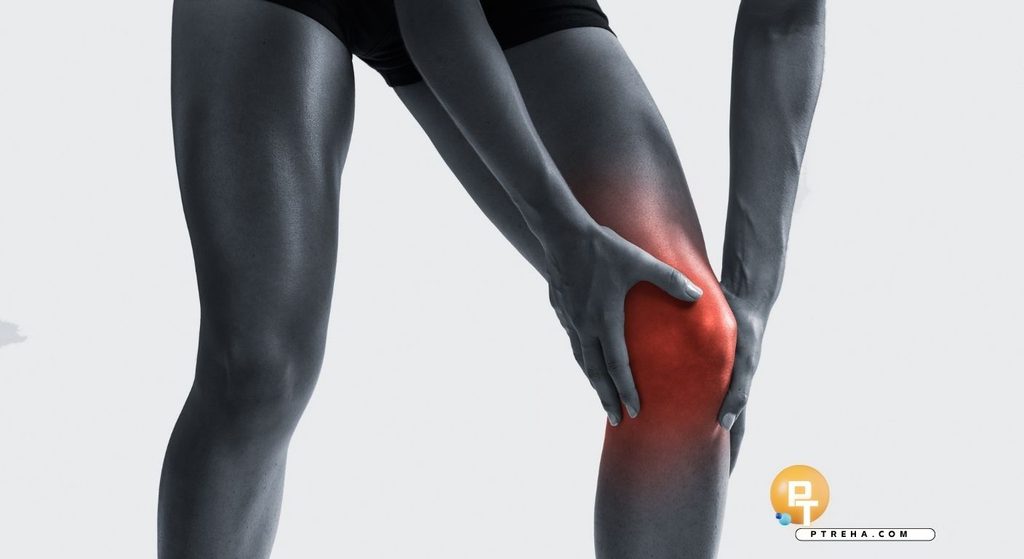
Saddle height receives considerable attention, but moving the saddle forward or backward also changes the rider’s relationship with the pedals and handlebars.
Moving the saddle forward generally changes hip and knee positioning while also shortening the effective reach to the handlebars.
Moving it backward produces the opposite effect.
A useful assessment includes:
- Position of the pelvis on the saddle
- Knee movement during the power phase
- Hip angle near the top of the pedal stroke
- Ability to maintain trunk position
- Hand pressure on the handlebars
- Whether the rider keeps sliding forward or backward
- Whether symptoms change during climbing or harder efforts
The commonly used concept of positioning the knee directly over a particular part of the pedal can be a convenient reference, but it should not be treated as a universal biomechanical rule.
Body proportions, bicycle geometry, cycling discipline, power demands, and individual comfort vary substantially.
Example: Anterior Knee Pain
Consider a recreational cyclist who recently lowered the saddle because reaching the ground at traffic lights felt difficult.
The new position may create greater knee flexion throughout the pedal cycle.
If the rider simultaneously increases hill training, both the positioning change and the higher workload should be considered.
A reasonable physical therapy assessment would review:
- Recent bicycle adjustments
- Training-volume changes
- Climbing frequency
- Cadence
- Resistance or gearing
- Knee movement while pedaling
- Hip strength and control
- Symptoms during daily activities
Simply raising the saddle without evaluating these other variables would be incomplete.
Handlebar Reach and Lower Back Position
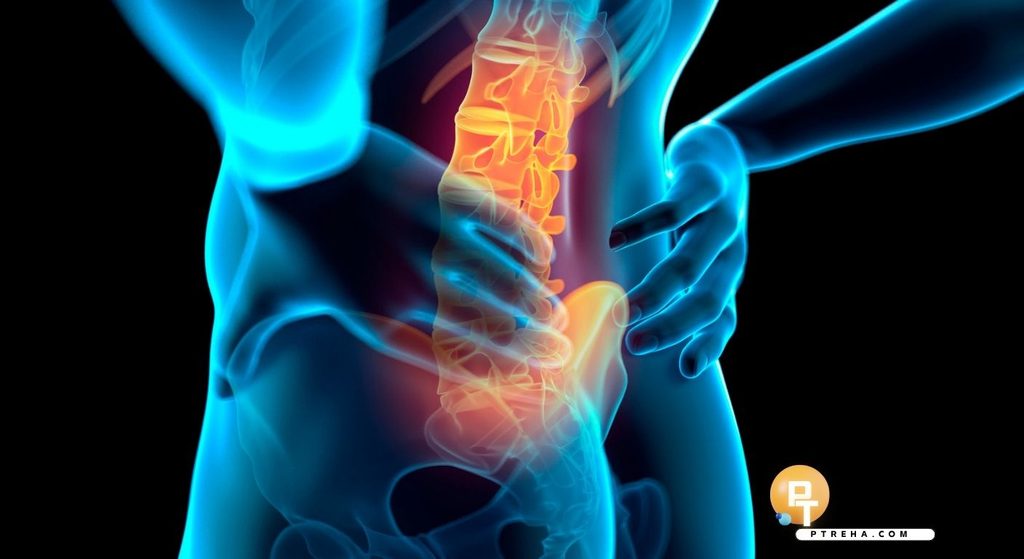
Lower back discomfort often receives less attention during basic bike fitting than knee position, even though upper-body setup can strongly influence riding posture.
If the handlebars are too far away for the rider’s current mobility and riding style, the cyclist may struggle to maintain a comfortable pelvis and trunk position.
Possible signs of excessive reach include:
- Locked elbows
- Shoulders pulled forward
- Difficulty using different hand positions
- Excessive weight through the hands
- Sliding toward the front of the saddle
- Neck tension
- Increasing lower back discomfort with longer rides
- Difficulty maintaining the position when fatigued
A very low handlebar position can also increase trunk flexion demands.
That does not mean low handlebars are inherently harmful.
Competitive road cyclists may intentionally use more aerodynamic positions than recreational riders.
The relevant question is whether the cyclist can tolerate the chosen position for the required duration and workload.
A recent systematic review of bike fitting for cyclists with lower back pain reported improvements in pain or discomfort following individualized fitting in the included studies, while also noting that the available research remains limited and fitting protocols vary considerably.
When Raising the Handlebars May Help
For some recreational cyclists, slightly reducing reach or increasing handlebar height can make prolonged riding more comfortable.
Possible benefits can include:
- Less aggressive trunk flexion
- Easier pelvic control
- Reduced need to reach with the shoulders
- More relaxed elbows
- Easier access to multiple hand positions
However, changing handlebar position affects bicycle handling and overall fit.
Adjustments should therefore be progressive rather than extreme.
Cleat and Foot Position Can Affect the Knee
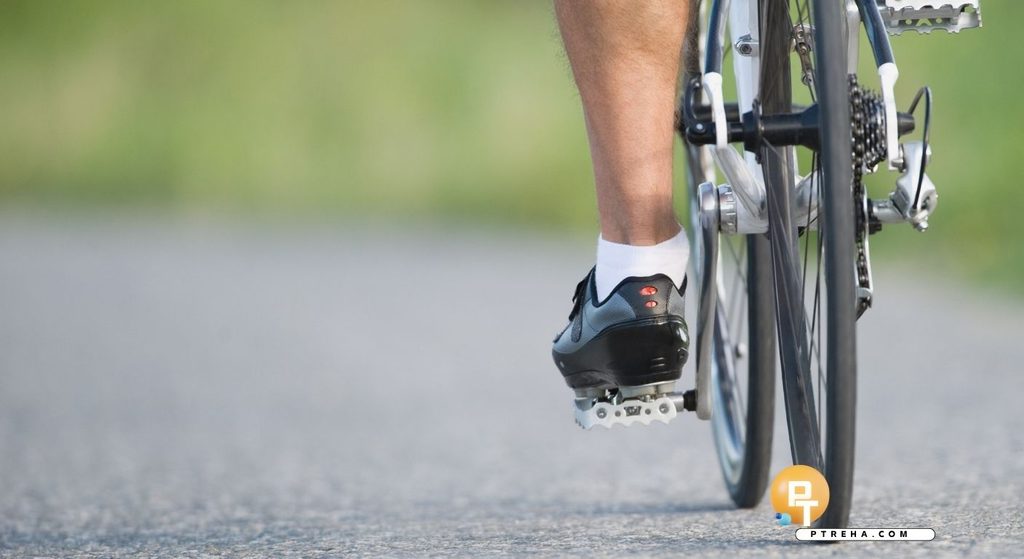
Cyclists using clipless pedals should include cleat setup in any assessment of recurrent knee discomfort.
The foot forms the lower end of the cycling kinetic chain.
Restricting it in an unsuitable position can influence how the ankle, knee, and hip move during repeated pedal strokes.
Important cleat variables include:
- Forward-backward position
- Medial-lateral position
- Rotational position
- Available float
- Shoe width
- Foot support
- Differences between the two legs
The goal is generally to avoid forcing the foot into a position that conflicts with the rider’s natural lower-limb alignment.
For example, a rider whose feet naturally turn slightly outward should not automatically have both shoes fixed perfectly straight simply because the position appears symmetrical.
Watch the knees while the cyclist pedals.
Potential problems worth assessing include:
- Knee drifting markedly inward
- Knee moving excessively outward
- Foot twisting against the pedal
- Unequal movement between sides
- Pressure along one edge of the shoe
- Symptoms beginning after new shoes or cleats
Small changes should be tested carefully before larger adjustments are made.
Bike Fit Clues Based on Where Pain Appears
Pain location can provide useful information, but it should never be used alone to diagnose the problem or prescribe a bicycle adjustment.
The following table provides practical starting points for assessment.
| Symptom or observation | Bike-fit factor worth checking | Other factors to consider |
|---|---|---|
| Anterior knee discomfort | Saddle height, saddle fore-aft position | High resistance, rapid training increase, knee capacity |
| Posterior knee discomfort | Saddle height, reaching at bottom of stroke | Hamstring/calf loading, training change |
| Medial or lateral knee discomfort | Cleat rotation, foot position, knee tracking | Hip control, previous injury, workload |
| Lower back discomfort | Reach, handlebar height, saddle position | Trunk endurance, hip mobility, riding duration |
| Pelvis rocking | Saddle height, reach | Leg-length differences, mobility, fatigue |
| Excess hand pressure | Reach, saddle position, handlebar height | Trunk control, riding technique |
| Foot numbness or pressure | Shoe and cleat setup | Shoe size, closure pressure, foot loading |
These associations are assessment clues rather than rules.
A cyclist can have anterior knee pain with a technically reasonable saddle height, and a cyclist with lower back pain may have a well-fitted bicycle.
Cadence, Gearing, and Training Load Matter Too
Not every cycling problem is a bike-fit problem.
This is one of the most important points when evaluating cyclists clinically.
A rider may have used the same bicycle comfortably for months and then develop knee pain shortly after doubling weekly distance or adding repeated hill sessions.
Ask about changes such as:
- Longer rides
- More frequent rides
- Increased climbing
- Higher resistance
- Lower cadence
- New indoor trainer sessions
- New bicycle
- New saddle
- New shoes or pedals
- New cleat position
- Return to cycling after a break
Pedaling a large gear at relatively low cadence may increase the force required during each pedal stroke compared with using an easier gear at a higher cadence for similar output.
That does not make low-cadence training inherently unsafe.
It means intensity and tissue tolerance should be considered when symptoms develop.
Example: Pain After Increasing Hills
Suppose a cyclist rides comfortably on flat roads but develops anterior knee discomfort after beginning frequent steep climbs.
Before moving the saddle, assess whether the rider has:
- Increased weekly elevation substantially
- Started pushing harder gears
- Increased standing climbs
- Reduced recovery time
- Added strength training simultaneously
In this situation, correcting training load may be as important as changing bicycle position.
A Practical Bike-Fit Sequence
Changing five things at once makes it difficult to determine which adjustment helped or worsened the problem.
A more controlled approach is preferable.
A practical sequence is:
- Review symptom history.
- Ask what changed recently.
- Check bicycle size.
- Assess saddle height.
- Assess saddle fore-aft position.
- Observe pelvic stability.
- Evaluate reach and handlebar height.
- Check cleats and shoes.
- Observe knee tracking.
- Reassess during normal pedaling.
- Test the setup under realistic resistance.
- Introduce changes gradually.
If possible, record short videos from the side and front while the rider pedals.
Side views can help assess saddle height and trunk position.
Front views can help reveal pelvic movement and knee tracking.
Change One Variable at a Time
When symptoms are mild and there are no concerning clinical findings, small adjustments are generally easier to evaluate than major changes.
After an adjustment:
- Ride briefly at easy intensity.
- Reassess comfort.
- Check movement again.
- Avoid immediately testing the position on the longest ride of the week.
- Document the change.
- Increase duration gradually if comfortable.
Bike fitting should be iterative.
The rider’s position during a relaxed ten-minute spin may also look different from the position maintained during a long climb or a hard interval session.
Physical Therapy Assessment Beyond the Bicycle
A bicycle cannot compensate for every physical limitation, and physical therapy should not consist of bike adjustments alone.
When evaluating a cyclist with recurrent symptoms, examine relevant physical capacities away from the bicycle as well.
Depending on the presentation, assessment may include:
- Hip range of motion
- Knee range of motion
- Ankle mobility
- Lower-limb strength
- Hip abductor control
- Trunk endurance
- Movement coordination
- Previous injury history
- Functional loading tolerance
- Symmetry where clinically relevant
For lower back symptoms, trunk endurance and the cyclist’s ability to tolerate sustained flexed positions may be particularly relevant.
For knee symptoms, consider whether the rider tolerates squatting, stairs, walking, running, or other loading activities differently from cycling.
This helps distinguish between a problem that appears strongly cycling-position dependent and one that reflects a broader reduction in tissue capacity.
Exercises Should Match the Findings
There is no universal “cyclist knee exercise” or “cycling back pain exercise.”
Exercise selection should respond to the assessment.
A program may include:
- Quadriceps strengthening
- Hip strengthening
- Calf strengthening
- Trunk endurance work
- Hip mobility exercises
- Movement-control exercises
- Gradual cycling exposure
Strength and mobility exercises complement bike fitting rather than replacing it.
When Bike Fit Is Not Enough
Cyclists should not assume that every persistent knee or lower back symptom can be corrected by changing the saddle.
Further clinical assessment is appropriate when pain is significant, persistent, progressively worsening, associated with trauma, or accompanied by other concerning symptoms.
Seek appropriate healthcare assessment when there is:
- Major swelling after injury
- Inability to bear weight normally
- Significant loss of movement
- Progressive weakness
- Persistent neurological symptoms
- Significant numbness
- Symptoms following substantial trauma
- Unexplained worsening despite reducing load
For back symptoms, urgent assessment may be appropriate when serious neurological or systemic warning signs are present.
A physical therapist can assess movement, cycling-related loading, strength, mobility, and rehabilitation needs while referring onward when findings fall outside physical therapy scope.
Conclusion
Effective cycling bike fitting basics to prevent knee and lower back pain begin with saddle height but should not end there.
Saddle fore-aft position, handlebar reach and height, cleat setup, knee tracking, training load, cadence, mobility, strength, and riding goals all contribute to how the cyclist interacts with the bicycle.
The most useful fit is not necessarily the position produced by a single formula.
It is a position the cyclist can control and tolerate during their actual style of riding, combined with sensible training progression and adequate physical capacity.
Frequently Asked Questions
Can a bike fit prevent all knee pain?
No.
Appropriate bike fitting may reduce unnecessary mechanical stresses and improve comfort, but knee pain can also be influenced by training load, previous injury, strength, movement patterns, recovery, and other factors.
Persistent symptoms require a broader assessment rather than continued adjustment of the bicycle alone.
How do I know if my saddle is too low?
A substantially low saddle may leave the knee highly flexed through the pedal stroke and can make the rider feel compressed at the top.
Other clues include difficulty producing a smooth stroke or feeling as though the legs never fully extend comfortably.
Dynamic observation is more useful than relying on one symptom alone.
How do I know if my saddle is too high?
Possible clues include reaching for the pedals, rocking the pelvis, pointing the toes excessively, or feeling unstable near the bottom of the pedal stroke.
These signs are not diagnostic by themselves, so saddle height should be assessed while the rider pedals naturally.
Can a saddle that is too low cause anterior knee pain?
A low position can increase knee flexion and alter knee loading, so saddle height is worth assessing in cyclists with anterior knee symptoms.
However, anterior knee pain should not automatically be attributed to saddle height.
Training changes, resistance, cadence, physical capacity, and other factors must also be considered.
Can a high saddle cause pain behind the knee?
An excessively high saddle can cause the cyclist to reach toward the bottom of the pedal stroke, and posterior knee discomfort may sometimes occur in this situation.
Posterior knee pain has other possible causes as well, so the presence of pain alone should not determine the adjustment.
Can handlebar position cause lower back pain?
Handlebar position can influence trunk and pelvic posture.
A position that is excessively long or low for a particular rider may make sustained cycling uncomfortable.
Lower back pain is multifactorial, however, and trunk endurance, hip mobility, training duration, previous symptoms, and workload should also be evaluated.
Should my knee be completely straight at the bottom of the pedal stroke?
No.
Normal cycling generally retains some knee flexion rather than locking the knee completely straight.
Bike-fit measurements are best obtained dynamically because ankle movement and pedaling technique influence the apparent knee angle.
Should both cleats be positioned exactly the same?
Not necessarily.
Human lower-limb anatomy and preferred foot positions are not always perfectly symmetrical.
Cleat setup should respect comfortable lower-limb alignment rather than forcing both feet into visually identical positions.
Should I change my bike fit whenever knee pain develops?
Not immediately.
First consider whether anything changed in training volume, intensity, hills, gearing, footwear, pedals, or cycling frequency.
If an adjustment is made, change one variable at a time and reassess the response.
When should I see a physical therapist for cycling pain?
Consider physical therapy assessment when symptoms persist, recur regularly, limit normal riding, or are associated with measurable weakness, mobility restrictions, or difficulty tolerating everyday activities.
A physical therapist can evaluate both the rider and the cycling movement rather than assuming that the bicycle alone is responsible for the symptoms.