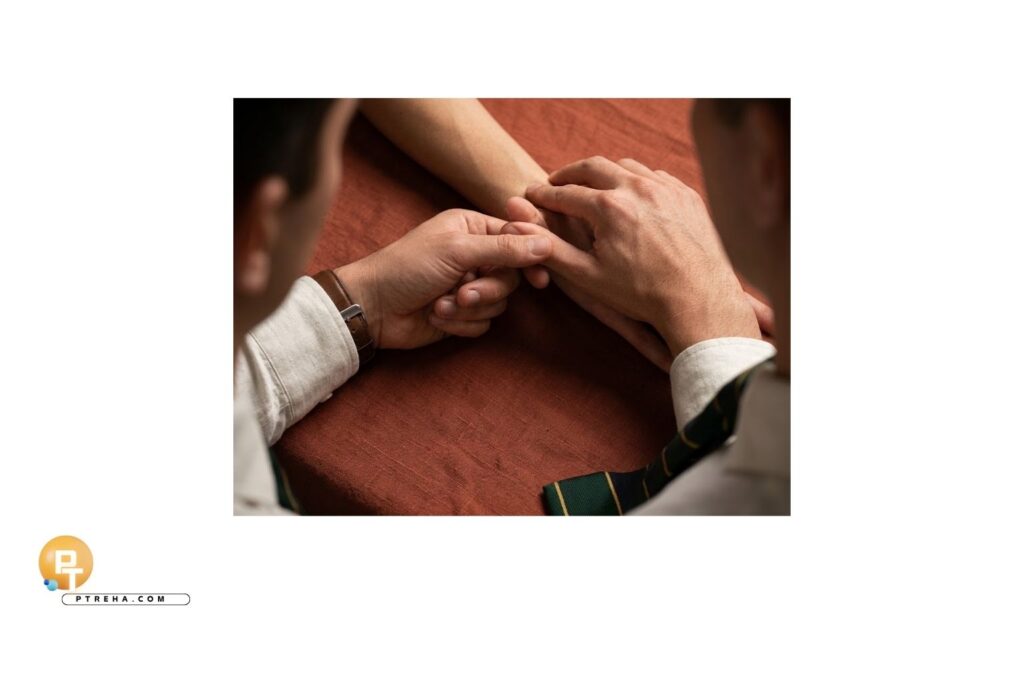
The Gamekeeper Thumb Test assesses stability at the thumb’s metacarpophalangeal (MCP) joint when an ulnar collateral ligament injury is suspected.
For clinical practice, the important distinction is between pain during examination and mechanical instability.
What Is the Gamekeeper Thumb Test?
This orthopedic special test, also called the thumb UCL valgus stress test, contributes to diagnosis rather than providing a complete diagnosis independently.
“Gamekeeper’s thumb” commonly describes chronic UCL insufficiency; “skier’s thumb” describes an acute injury.
Anatomical category: Hand and thumb.
Purpose of the Gamekeeper Thumb Test
- Assess resistance to valgus stress at the thumb MCP joint.
- Evaluate joint opening and the endpoint.
- Inform further assessment and referral.
Gamekeeper Thumb Test Indications
- Ulnar-sided MCP pain after forced thumb abduction.
- Swelling or bruising following thumb trauma.
- Persistent instability or difficulty with pinch tasks.
Contraindications and Precautions
There is no universally established test-specific contraindication list.
Apply injury-specific precautions:
- Defer routine stress testing when fracture or unreduced dislocation is suspected until appropriately assessed.
- Follow postoperative restrictions before stressing a repaired ligament.
- Stop if pain or guarding prevents controlled examination; record the assessment as inconclusive.
- Avoid forceful or repeated loading.
The BSSH guideline on thumb UCL injuries recommends history, clinical examination and radiographs for acute presentations, with examination by an appropriately trained professional.
Patient Position
- Sit comfortably with the forearm and hand supported.
- Keep the hand relaxed and the thumb accessible.
Examiner Position
- Face the hand with a clear view of the MCP joint.
- Use one hand to stabilize the metacarpal and the other to control the proximal phalanx.
How to Perform the Gamekeeper Thumb Test
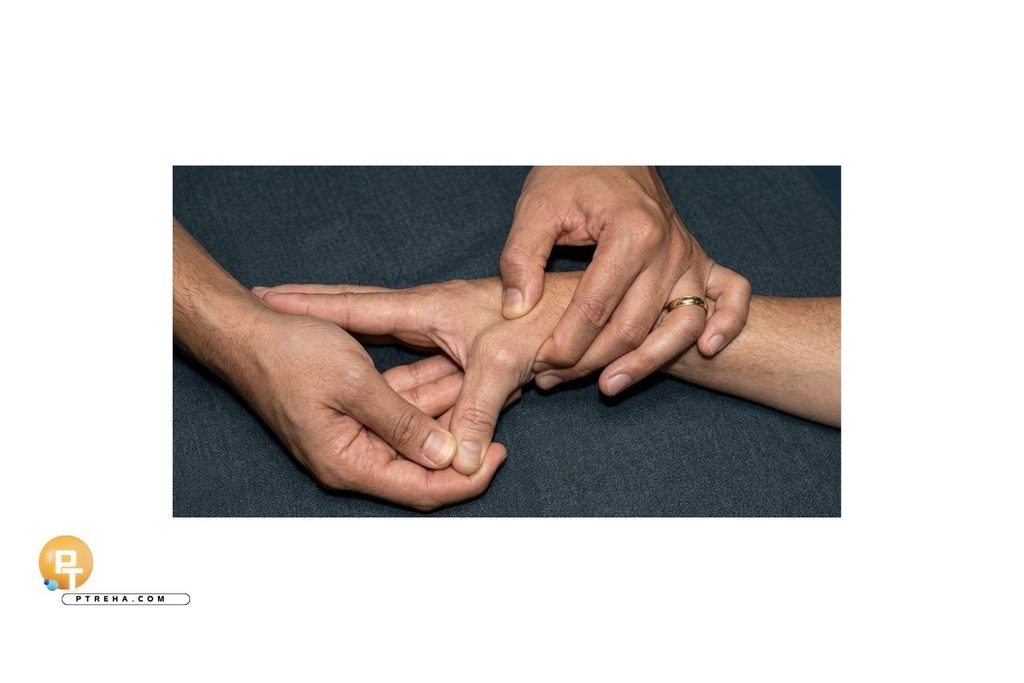
The clinical review by Mahajan and Rhemrev describes testing in extension and approximately 30° of MCP flexion.
This angle describes that protocol, not a diagnostic cutoff.
- Explain the maneuver and agree on a stop signal.
- Stabilize the metacarpal near the MCP joint, preventing rotation.
- Hold the proximal phalanx close to the joint.
- With the MCP in extension, gently direct the proximal phalanx radially, opening the ulnar side.
- Assess resistance and endpoint without forcing additional movement.
- Repeat in the described flexed position if tolerated.
- Document position, symptoms, laxity, endpoint and examination limitations.
What Constitutes a Positive Test?
Abnormal valgus laxity, particularly without a definite firm endpoint, supports UCL disruption.
Pain alone does not establish a complete tear.
Malik and colleagues’ study of uninjured thumbs demonstrated natural side-to-side differences and emphasized endpoint assessment.
The opposite thumb offers context, not a universal normal standard.
“Document the endpoint, not just the pain.”
What Does a Positive Test Mean?
An absent endpoint raises concern for complete rupture.
The maneuver does not establish ligament displacement or confirm a Stener lesion; additional assessment may be needed.
Negative Gamekeeper Thumb Test
A firm endpoint without concerning laxity is reassuring for stability.
It does not exclude a painful sprain or partial injury.
Guarding can mask instability, so an inadequately performed test should not be labeled negative.
Anatomy Involved
- Proper UCL: contributes to stability in MCP flexion.
- Accessory UCL and volar plate: contribute in extension.
- Joint capsule and articular surfaces: also influence stability.
- Adductor aponeurosis: relevant to a displaced UCL tear.
The maneuver assesses joint stability; it does not perfectly isolate one structure.
Conditions Associated With the Test
- Acute thumb UCL sprain or rupture.
- Chronic UCL insufficiency.
- Associated avulsion fracture, assessed with radiographs.
- Possible Stener lesion, which stress examination cannot confirm.
Clinical Significance
- Significant laxity warrants timely specialist assessment.
- The result contributes to decisions about protection and treatment.
- A positive finding does not automatically require surgery.
- Ultrasound or MRI may help resolve uncertainty; routine use is not mandated by the BSSH guideline.
Common Mistakes
- Allowing metacarpal rotation.
- Recording only “positive” without describing the findings.
- Treating contralateral symmetry as mandatory.
- Calling a pain-limited examination negative.
Practical Tips
- Separate symptoms from mechanical findings in documentation.
- Record whether the endpoint was firm, absent or unassessable.
- Communicate uncertainty explicitly.
Summary
- The test assesses thumb MCP valgus stability.
- Stabilize the metacarpal and gently stress the proximal phalanx.
- Evaluate extension and flexion using a stated protocol.
- Interpret laxity and endpoint alongside the clinical presentation.
- Guarding and associated injury can limit interpretation.
A useful examination ends with a clear description of what was found and an appropriate next step.
When the findings remain uncertain, protect the thumb and arrange further assessment.