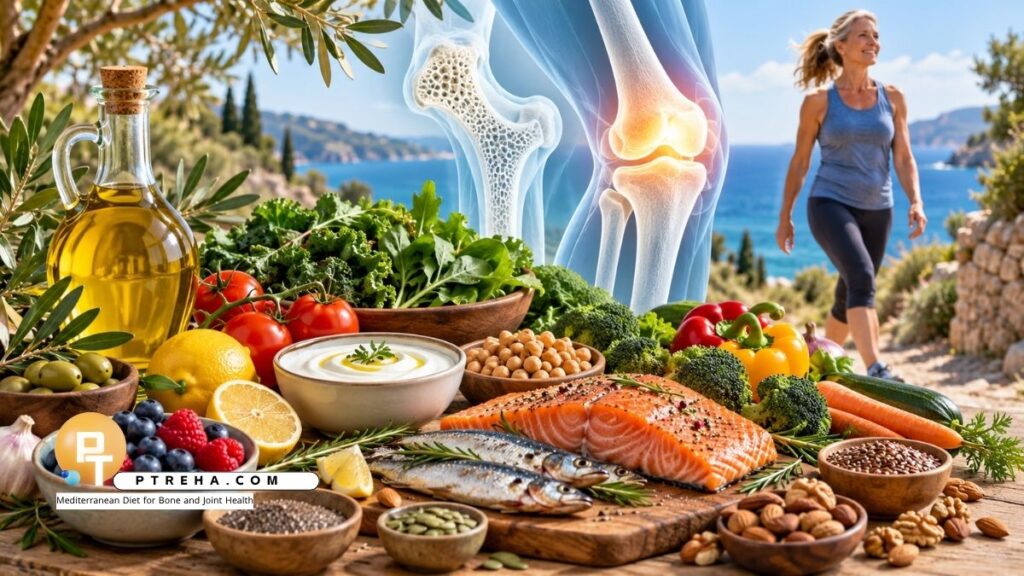
The Mediterranean Diet for Bone and Joint Health emphasizes vegetables, fruits, legumes, whole grains, fish, extra-virgin olive oil, nuts, seeds, and appropriate sources of calcium and protein.
This eating pattern can support bone maintenance, muscle function, healthy body weight, and a balanced inflammatory response, making it a practical nutritional partner to exercise, physical therapy, and appropriate medical care.
What Is the Mediterranean Diet?
The Mediterranean diet is an eating pattern rather than a strict meal plan.
It focuses on minimally processed foods traditionally common in Mediterranean regions while allowing considerable flexibility.
The foundation includes:
- Vegetables at most meals
- Fresh fruit regularly
- Beans, lentils, and chickpeas
- Whole grains
- Nuts and seeds
- Extra-virgin olive oil
- Fish and seafood
- Moderate dairy, eggs, and poultry
- Limited red and processed meats
- Fewer highly processed foods
For musculoskeletal health, the strength of this pattern is its combination of nutrients rather than any single “superfood.”
Bones, muscles, cartilage, tendons, and ligaments all require adequate nutrition.
A Mediterranean eating pattern can help provide many of those nutritional building blocks in everyday meals.
How the Mediterranean Diet Supports Bone Health
Bone is living tissue.
It continuously undergoes remodeling, with old bone being broken down and new bone being formed.
Nutrition influences this process throughout life.
Important bone-supporting nutrients found in Mediterranean-style foods include:
- Calcium
- Protein
- Vitamin D
- Magnesium
- Vitamin K
- Potassium
- Vitamin C
- Zinc
Calcium is especially important because most of the body’s calcium is stored in the skeleton.
The NIH calcium guidance for health professionals explains that calcium contributes to the structure of bones and teeth and that vitamin D assists intestinal calcium absorption.
Mediterranean-style eating can supply calcium through foods such as yogurt, milk, sardines with edible bones, calcium-set tofu, fortified plant beverages, and certain leafy vegetables.
Useful calcium-containing choices include:
- Plain yogurt
- Kefir
- Milk
- Calcium-fortified soy beverages
- Sardines with bones
- Calcium-set tofu
- Tahini
- Almonds
- Kale and similar greens
- Beans
People who avoid dairy need to plan carefully because a diet can look very healthy yet still provide insufficient calcium.
Fortified foods can be particularly useful when dairy products are excluded.
Research also suggests a relationship between Mediterranean-diet adherence and skeletal health.
A recent review of the Mediterranean diet and skeletal health found that observational evidence generally associates greater adherence with lower fracture risk, while findings for bone mineral density are less consistent.
That distinction matters.
The Mediterranean diet is a supportive strategy, not a replacement for osteoporosis assessment or treatment.
How the Mediterranean Diet Supports Joint Health
Joint symptoms are influenced by more than cartilage alone.
Muscles, tendons, ligaments, synovial tissue, bone, nervous-system sensitivity, physical activity, body weight, sleep, injury history, and inflammatory disease can all contribute.
Diet can influence some of these factors.
A Mediterranean dietary pattern may support joint health by:
- Increasing omega-3 fatty acids
- Providing antioxidant-rich plant foods
- Increasing fiber intake
- Replacing some saturated fats with unsaturated fats
- Supporting healthy body weight
- Reducing dependence on ultra-processed foods
- Supporting cardiovascular and metabolic health
The Arthritis Foundation’s Mediterranean-style nutrition guidance emphasizes foods such as fish, vegetables, nuts, beans, and olive oil while limiting heavily processed foods and excessive saturated fat.
This does not mean that Mediterranean foods cure arthritis.
For osteoarthritis, mechanical loading, muscle strength, body weight, injury history, and joint structure remain important.
For inflammatory arthritis, diet should complement—not replace—medical treatment.
Joint-friendly Mediterranean foods include:
- Salmon
- Sardines
- Mackerel
- Extra-virgin olive oil
- Walnuts
- Chia seeds
- Flaxseed
- Berries
- Tomatoes
- Leafy greens
- Broccoli
- Beans and lentils
Fatty fish are especially useful because they provide the omega-3 fatty acids EPA and DHA.
Plant foods contribute vitamin C, carotenoids, polyphenols, fiber, and many other bioactive compounds.
Key Nutrients for Bones, Joints, and Muscles
The musculoskeletal system works as an integrated unit.
Strong muscles help control joints, while healthy bones provide the framework through which those muscles generate movement.
A varied Mediterranean diet provides many nutrients involved in these processes.
| Nutrient | Musculoskeletal Role | Mediterranean-Style Sources |
|---|---|---|
| Calcium | Bone mineralization and muscle function | Yogurt, milk, fortified drinks, sardines, tofu |
| Protein | Maintains muscle and bone matrix | Fish, eggs, yogurt, poultry, beans, lentils |
| Vitamin D | Supports calcium absorption and bone metabolism | Fatty fish, eggs, fortified foods |
| Magnesium | Supports muscle and bone function | Nuts, seeds, legumes, whole grains |
| Vitamin K | Participates in normal bone metabolism | Leafy greens, broccoli |
| Vitamin C | Required for normal collagen formation | Citrus, peppers, berries, tomatoes |
| Omega-3 fats | Support inflammatory regulation | Salmon, sardines, walnuts, chia, flax |
| Potassium | Supports muscle and cellular function | Beans, vegetables, potatoes, fruit |
| Polyphenols | Provide antioxidant and signaling effects | Olive oil, berries, herbs, nuts |
No individual nutrient can compensate for an unbalanced overall diet.
For example, calcium intake matters, but bone health also depends on vitamin D status, protein intake, physical loading, hormones, age, medications, and other factors.
Protein Deserves Special Attention
Protein is sometimes overlooked in discussions about bone health.
It is essential for maintaining skeletal muscle, which helps stabilize joints, produce movement, maintain balance, and reduce frailty.
Mediterranean protein sources include:
- Fish
- Seafood
- Eggs
- Greek yogurt
- Cottage cheese
- Chicken
- Lentils
- Chickpeas
- Beans
- Tofu
Older adults and people recovering from injury may benefit from distributing protein across several meals rather than eating very little during the day and most of it at dinner.
Protein needs vary according to body size, age, health status, kidney function, and activity level.
How to Build a Bone- and Joint-Friendly Mediterranean Plate
You do not need to calculate every vitamin or mineral in every meal.
A simple plate structure makes Mediterranean eating easier to maintain.
Build most meals around:
- About half a plate of vegetables
- A meaningful source of protein
- A whole grain or starchy plant food
- Extra-virgin olive oil, nuts, seeds, or avocado
- A calcium-rich food somewhere during the day
- Fruit when desired
- Water as the main beverage
One practical meal could be grilled salmon, roasted broccoli and peppers, potatoes, and yogurt with herbs.
Another could be a chickpea salad containing spinach, cucumber, tomato, peppers, feta, olive oil, and whole-grain bread.
Breakfast Ideas
A balanced Mediterranean breakfast can combine protein, fiber, healthy fat, and fruit or vegetables.
Useful options include:
- Greek yogurt with berries, oats, and walnuts
- Oatmeal with milk, chia seeds, and fruit
- Eggs with tomatoes and whole-grain toast
- Yogurt with figs and pumpkin seeds
- Vegetable omelet with whole-grain bread
- Kefir with oats, fruit, and almonds
Someone concerned about bone health can deliberately include a calcium-rich food at breakfast.
This makes it easier to meet daily nutritional needs without relying on one large serving later.
Lunch Ideas
Lunch can be simple and portable.
Examples include:
- Lentil soup with salad
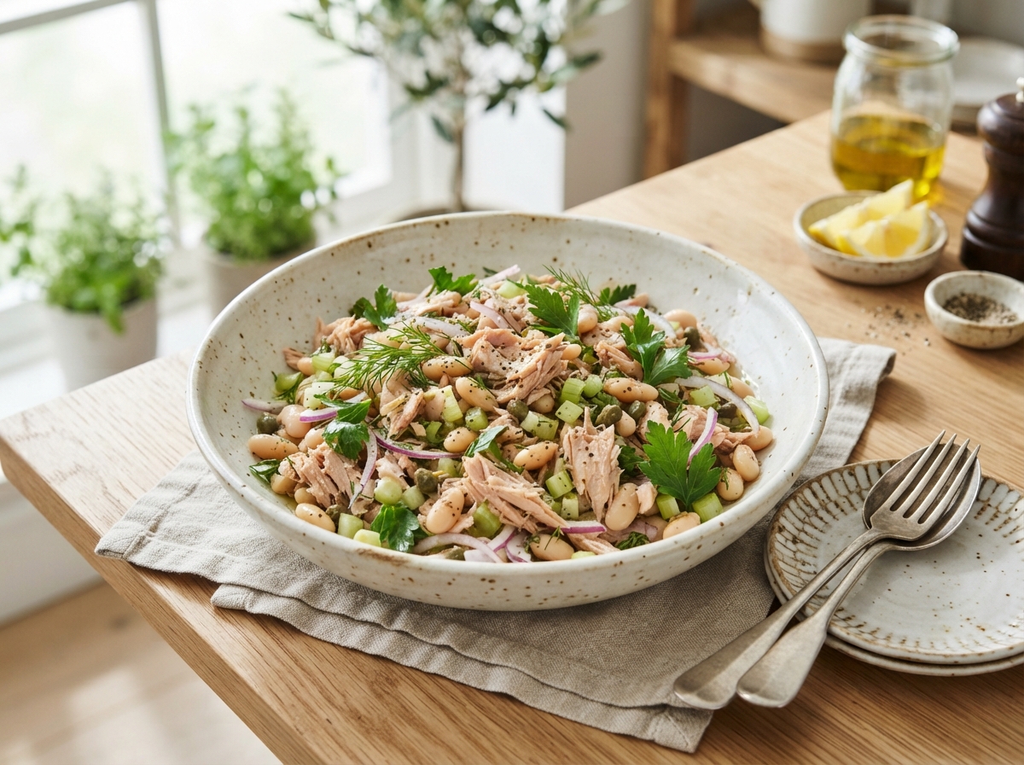
- Tuna and white-bean salad
- Chickpea and feta salad
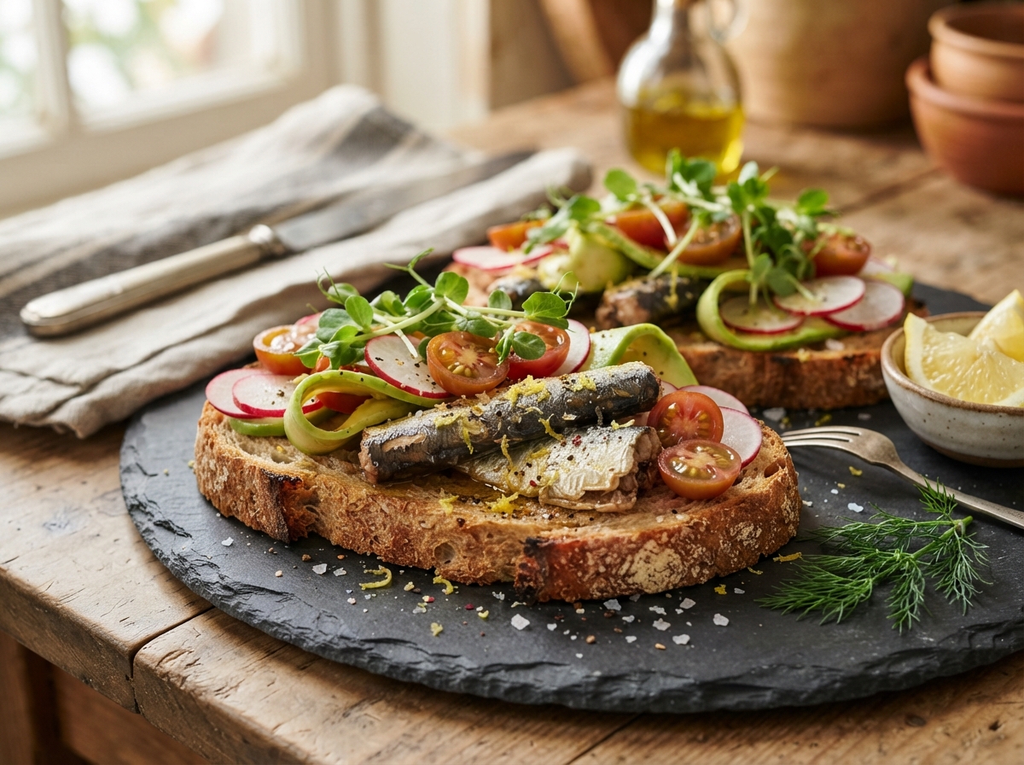
- Sardines on whole-grain toast
- Hummus with vegetables and whole grains
- Leftover salmon with a grain-and-vegetable bowl
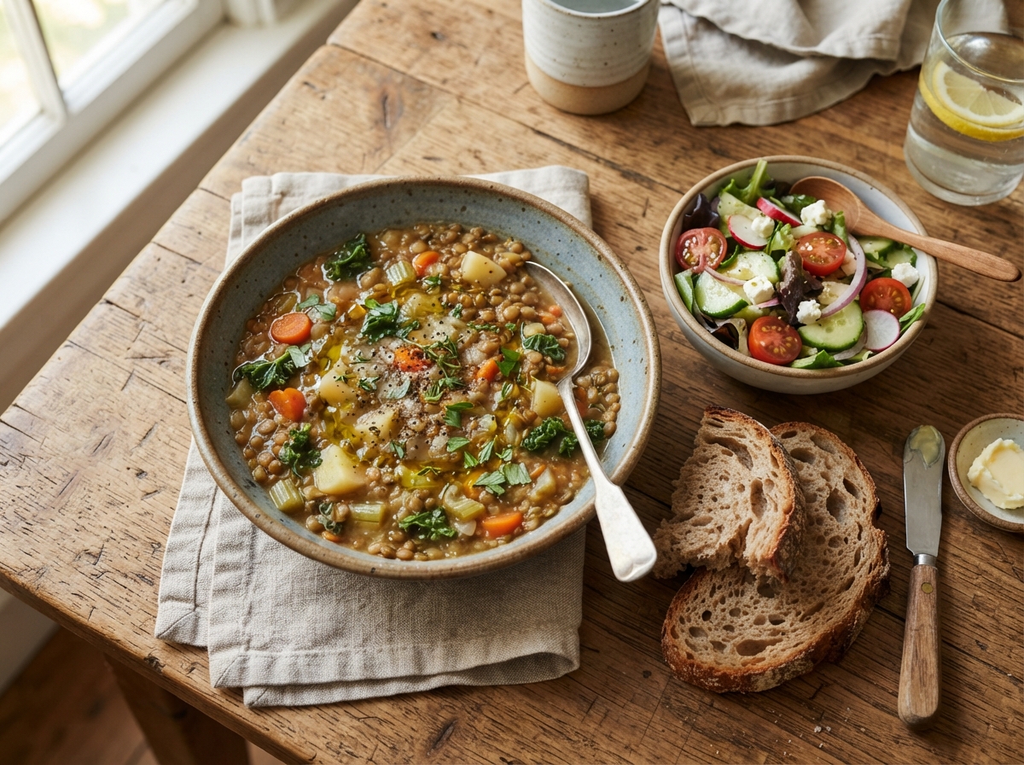
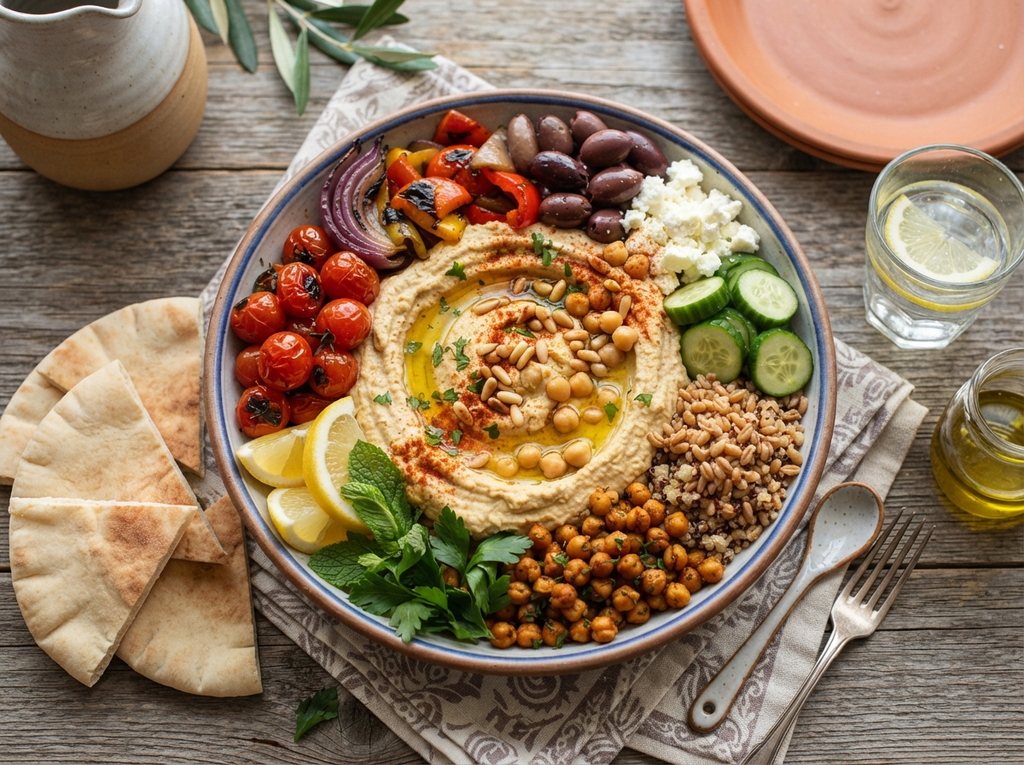
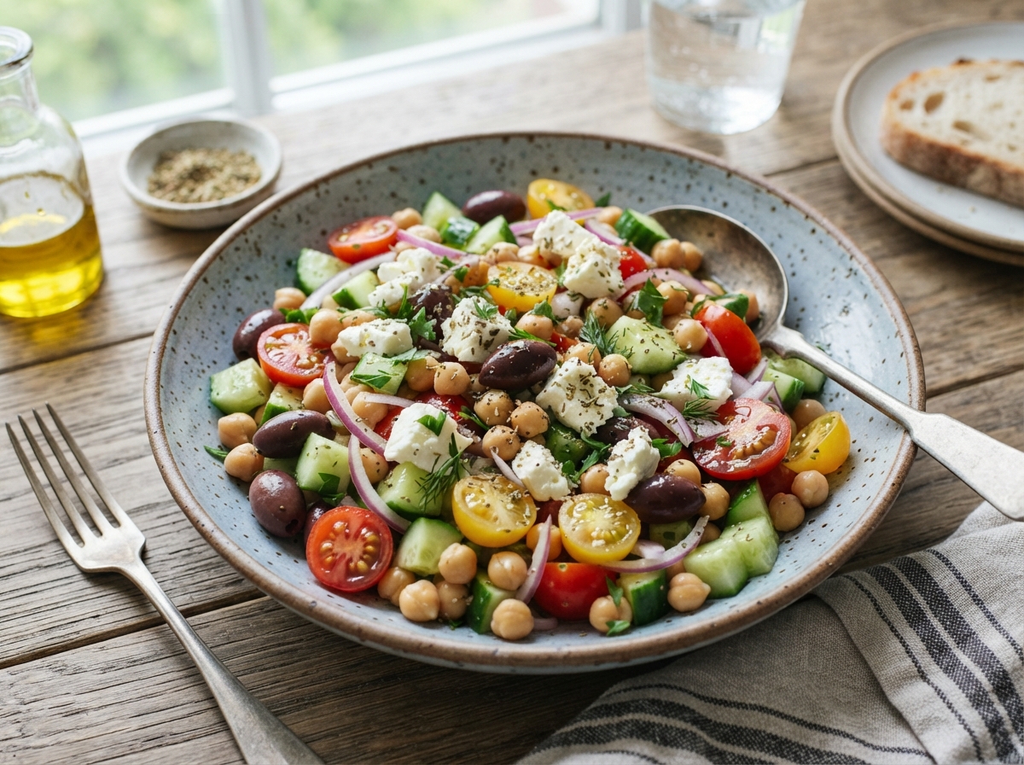
Adding protein and fiber can improve satiety.
A lunch consisting only of a small green salad may be nutritious but often provides too little protein and total energy for an active person.
Dinner Ideas
Dinner can use the same basic plate structure without complicated recipes.
Try:
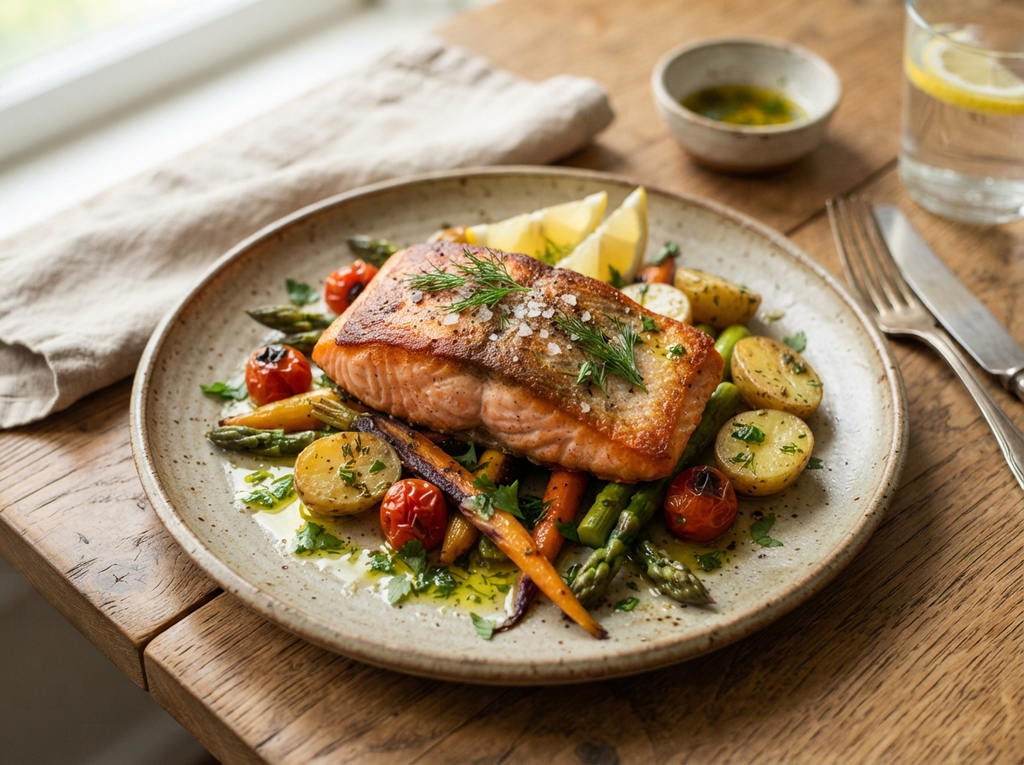
- Salmon with vegetables and potatoes
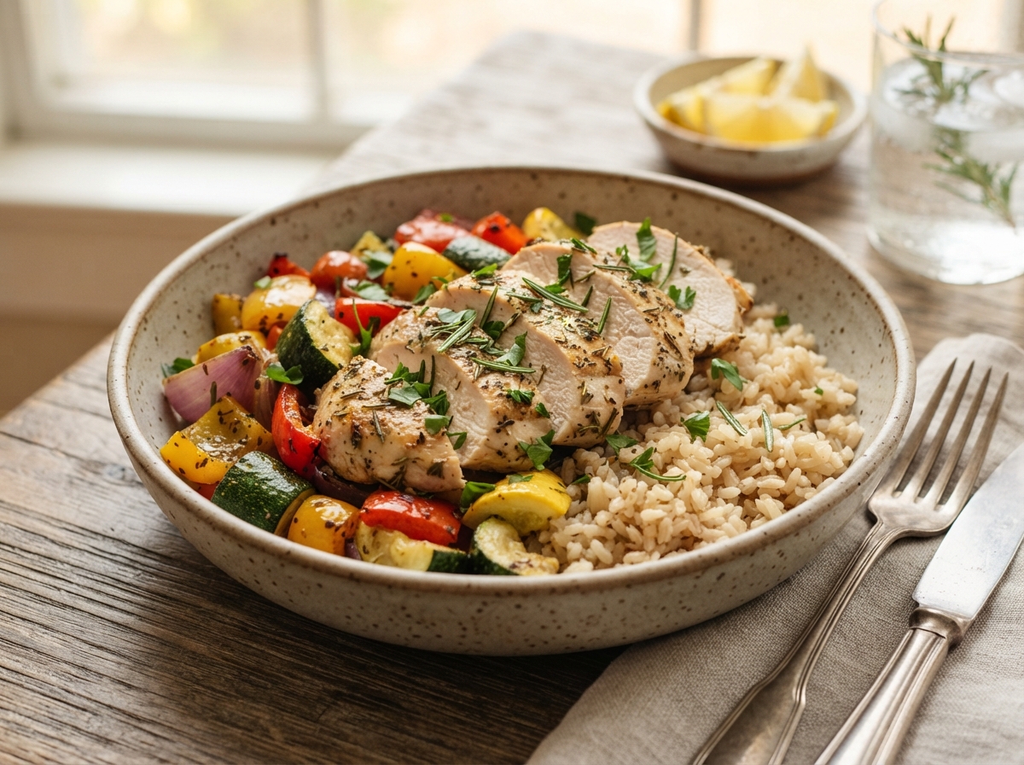
- Chicken with brown rice and roasted vegetables
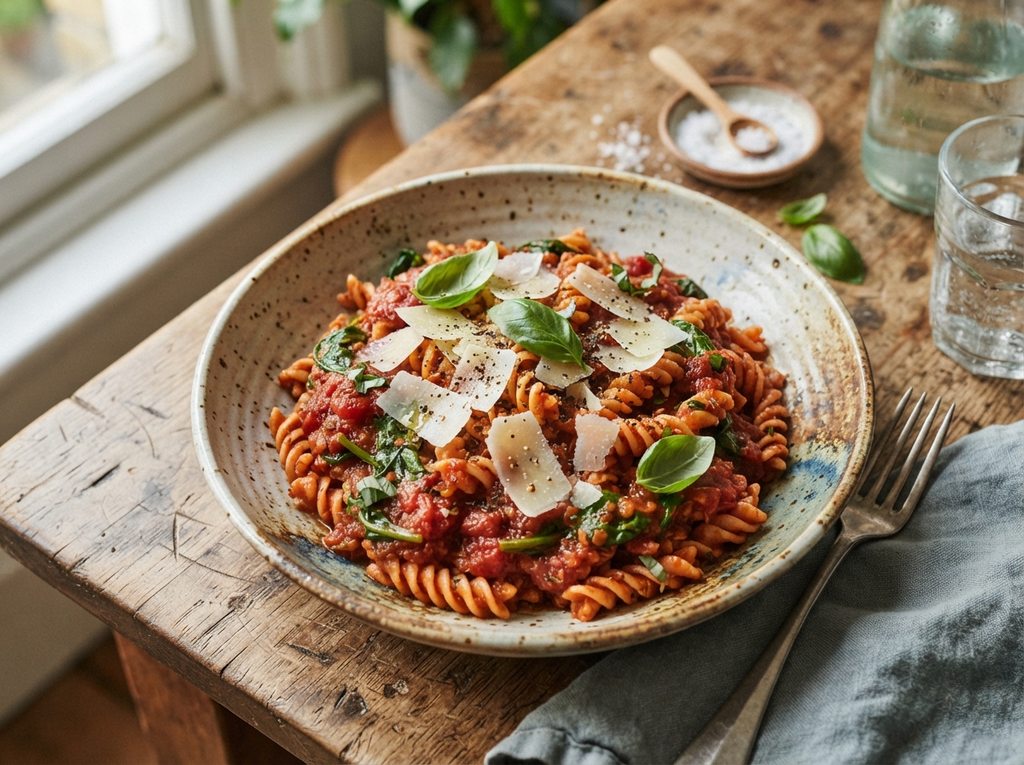
- Lentil pasta with tomato sauce and spinach
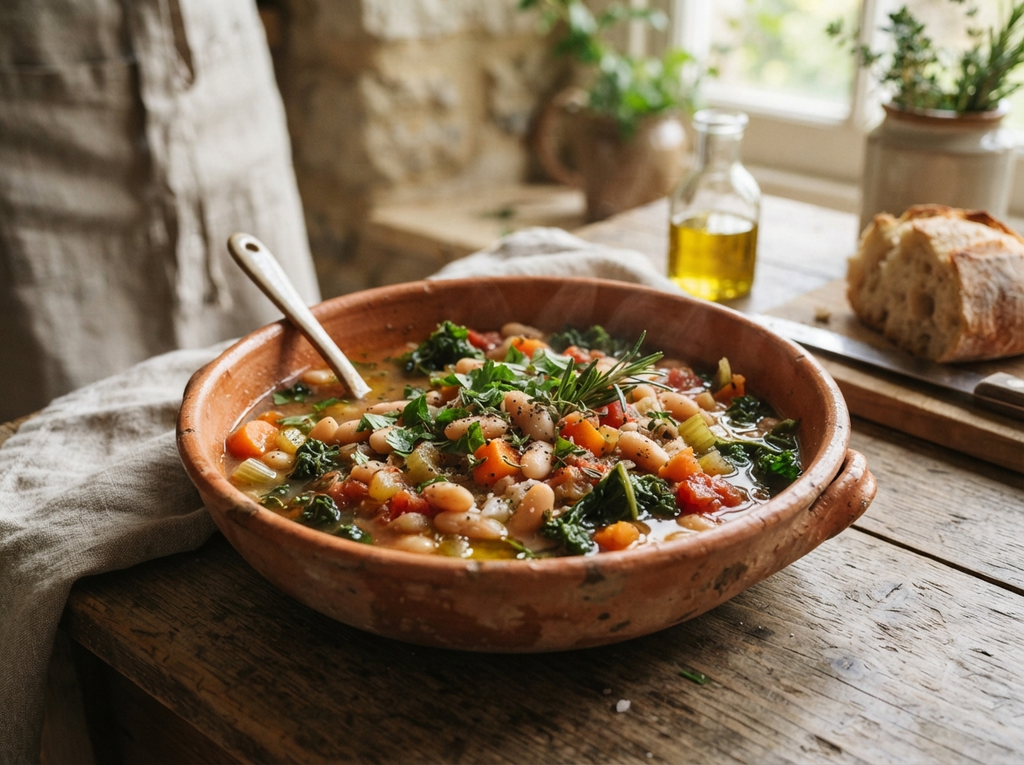
- White beans with vegetables and olive oil
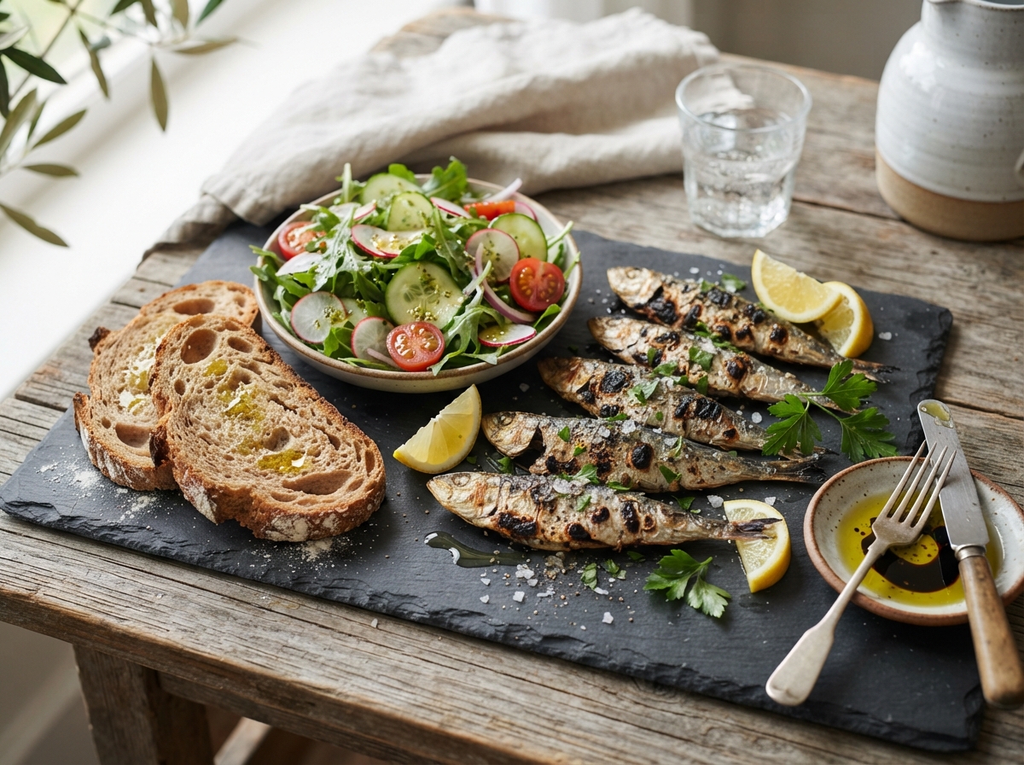
- Sardines with salad and whole-grain bread
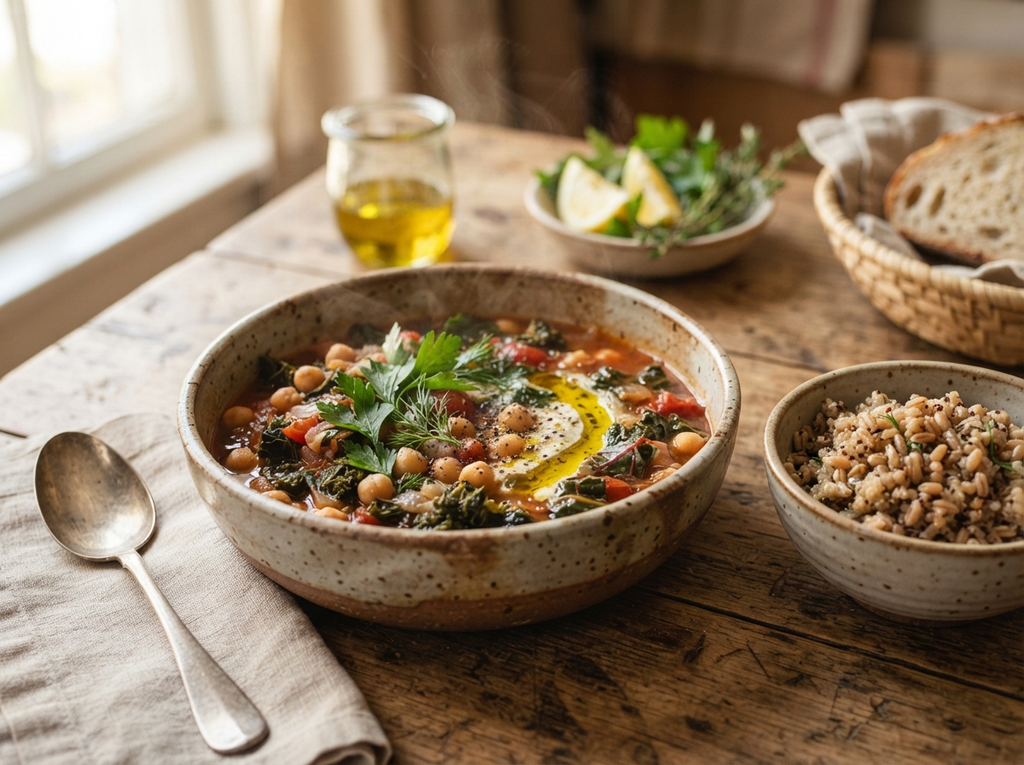
- Chickpea stew with greens and whole grains
Rotate fish, legumes, eggs, poultry, and other protein sources throughout the week.
Variety helps broaden nutrient intake.
Smarter Snack Choices
Snacks are optional, but they can help people who become hungry between meals or who need additional energy and protein.
Good choices include:
- Yogurt with berries
- Fruit with nuts
- Hummus with carrots
- Kefir with fruit
- Apple with tahini
- Whole-grain crackers with cheese
- Roasted chickpeas
For someone completing rehabilitation or strength training, yogurt, kefir, milk, or another protein-containing snack may be more useful than a snack based mainly on refined carbohydrates.
Mediterranean Diet and Healthy Joint Loading
Body weight is not the only factor affecting joint pain, but it can influence the load placed on weight-bearing joints such as the knees, hips, ankles, and feet.
For people who would benefit medically from weight reduction, Mediterranean eating can provide a sustainable structure without requiring extreme restriction.
Helpful strategies include:
- Increase vegetables at main meals
- Include protein with each meal
- Replace sugary drinks with water
- Choose whole fruit more often than sweets
- Use whole grains instead of refined grains
- Measure oils when calorie intake matters
- Portion nuts rather than eating directly from the package
- Reduce highly processed snack foods
Extra-virgin olive oil is nutritious, but it remains energy dense.
Similarly, nuts, seeds, cheese, hummus, and avocado fit comfortably into a Mediterranean diet but still contribute calories.
Portion awareness can matter when weight management is a clinical goal.
Avoid severe calorie restriction unless it is medically supervised.
Losing weight while consuming inadequate protein and performing no resistance exercise may contribute to loss of muscle mass, which is undesirable for joint function and physical independence.
Pair the Mediterranean Diet With Exercise and Physical Therapy
Nutrition gives tissues the raw materials they need, but bones and muscles also respond to appropriate mechanical loading.
This is where physical therapy and exercise become essential.
Depending on health status, useful activities can include:
- Progressive resistance training
- Walking
- Stair climbing
- Balance exercises
- Hip strengthening
- Quadriceps strengthening
- Calf strengthening
- Trunk exercises
- Appropriate impact or weight-bearing exercise
- Gradual mobility work
Resistance training is particularly important because stronger muscles improve force production and joint control.
Weight-bearing and resistance exercises also provide mechanical stimulus to bone.
A person with knee osteoarthritis, for example, may combine Mediterranean eating with progressive quadriceps and hip strengthening, regular walking or cycling as tolerated, and weight management when appropriate.
A person with osteoporosis may need a program emphasizing resistance, weight-bearing activity, posture, balance, and fall prevention.
Exercise should be individualized for people with:
- Osteoporosis
- Fragility fractures
- Joint replacement
- Significant arthritis
- Acute injuries
- Severe balance impairment
- Persistent or unexplained pain
- Major mobility limitations
A physical therapist can modify load, range of motion, exercise selection, and progression according to the individual’s condition.
Foods to Limit Without Making the Diet Restrictive
A Mediterranean diet is mostly about what you eat regularly, not about creating a long list of forbidden foods.
Still, some foods are best eaten less often.
Limit frequent intake of:
- Processed meats
- Large portions of red meat
- Deep-fried fast foods
- Sugary drinks
- Candy
- Pastries
- Refined snack foods
- Foods high in trans fats
- Excessive sodium
- Heavy alcohol intake
Alcohol is not required for a Mediterranean diet.
Someone who does not drink should not begin drinking alcohol in an attempt to make the diet more “authentic.”
There is also little reason for most people with joint pain to automatically eliminate tomatoes, peppers, potatoes, or eggplant.
These “nightshade” vegetables are sometimes blamed for arthritis symptoms, but routine elimination is not supported by strong evidence.
Unnecessary restriction can make the diet less varied and more difficult to maintain.
If a particular food repeatedly seems to trigger symptoms, use a structured food-and-symptom record and discuss it with an appropriate clinician or registered dietitian.
Common Mistakes That Reduce the Benefits
A Mediterranean diet can still become nutritionally incomplete if important foods are missing.
Common mistakes include:
- Eating too little protein
- Avoiding dairy without replacing calcium
- Rarely eating fish
- Assuming all plant milks contain calcium
- Using unlimited olive oil
- Eating excessive portions of nuts
- Relying on refined bread and pasta
- Taking supplements instead of improving the diet
- Following unnecessary elimination diets
- Ignoring strength exercise
Another mistake is assuming that “Mediterranean” automatically means healthy.
A restaurant meal containing large amounts of refined bread, fried food, processed meat, cheese, and alcohol may have Mediterranean ingredients but may not reflect the dietary pattern studied for health benefits.
Focus on the overall pattern: plants, legumes, whole grains, fish, healthy fats, sufficient protein, and minimally processed foods.
Who Needs More Individualized Nutrition Advice?
Most healthy adults can adapt Mediterranean-style eating safely, but certain medical conditions deserve more personalized guidance.
Extra attention may be appropriate for people with:
- Osteoporosis or osteopenia
- Previous fragility fractures
- Rheumatoid arthritis
- Chronic kidney disease
- Celiac disease
- Malabsorption disorders
- Long-term corticosteroid treatment
- Very low body weight
- Unexplained weight loss
- Vegan diets with uncertain nutrient intake
People with gout may also need condition-specific guidance because some seafood that fits a Mediterranean pattern can be relatively high in purines.
Kidney disease may require individualized management of protein, potassium, phosphorus, sodium, or fluids.
Someone diagnosed with osteoporosis should not rely on diet alone if medication or other treatment has been recommended.
Conclusion
The Mediterranean Diet for Bone and Joint Health offers a practical framework for supporting the musculoskeletal system through vegetables, fruits, legumes, whole grains, fish, extra-virgin olive oil, nuts, seeds, and appropriate calcium- and protein-rich foods.
Its value comes from the complete dietary pattern rather than from any single ingredient.
For the strongest practical approach, combine good nutrition with progressive resistance exercise, appropriate weight-bearing activity, healthy body-weight management, sufficient recovery, and individualized medical or physical therapy care when needed.
Food can support healthier bones, muscles, and joints, but it works best as one part of a broader musculoskeletal health strategy.
Frequently Asked Questions
Is the Mediterranean diet good for osteoporosis?
The Mediterranean diet can support bone health because it contains protein, calcium-rich foods, magnesium, vitamin K, fruits, vegetables, legumes, fish, nuts, and healthy fats.
However, osteoporosis is a medical condition with an increased fracture risk.
Diet should complement bone-density assessment, appropriate exercise, fall prevention, and medication when prescribed.
Can the Mediterranean diet reduce joint pain?
Some people may experience improvement when Mediterranean-style eating replaces a diet high in highly processed foods and supports healthier body weight and overall metabolic health.
The effect varies because joint pain has many causes.
Structural injury, osteoarthritis, inflammatory arthritis, tendon disorders, referred pain, and nerve-related pain do not respond identically to dietary change.
What is the best Mediterranean food for bone health?
There is no single best food.
Calcium-rich foods such as yogurt, fortified milk alternatives, sardines with bones, and calcium-set tofu are useful, while fish, legumes, eggs, dairy products, nuts, seeds, vegetables, and whole grains provide other important nutrients.
What is the best Mediterranean food for joint health?
Fatty fish such as salmon, sardines, and mackerel are useful because they provide EPA and DHA omega-3 fatty acids.
Extra-virgin olive oil, vegetables, berries, nuts, legumes, and whole grains also contribute useful nutrients, but the overall dietary pattern is more important than one particular food.
Is olive oil good for arthritis?
Extra-virgin olive oil is a suitable primary fat in a Mediterranean diet.
It provides mainly monounsaturated fatty acids as well as polyphenol compounds.
It is best used to replace less favorable fats rather than simply adding large amounts of oil to an already calorie-rich diet.
Should people with arthritis avoid tomatoes?
Most people with arthritis do not need to avoid tomatoes.
Tomatoes, peppers, potatoes, and eggplant can all fit into a Mediterranean dietary pattern.
If an individual repeatedly notices symptoms after a specific food, a clinician or dietitian can help assess whether a structured elimination and reintroduction approach is appropriate.
Do I need calcium if I already follow the Mediterranean diet?
Yes.
Following a Mediterranean diet does not automatically guarantee adequate calcium intake.
People who eat little or no dairy should deliberately include calcium-rich alternatives such as fortified beverages, calcium-set tofu, canned fish with edible bones, or other suitable foods.
Can the Mediterranean diet be vegetarian or vegan?
Yes.
Beans, lentils, chickpeas, tofu, nuts, seeds, whole grains, fruits, vegetables, and olive oil can form the foundation of a plant-based Mediterranean diet.
People following a vegan diet should pay particular attention to vitamin B12, calcium, vitamin D, iodine, protein, iron, and omega-3 intake.
Can Mediterranean eating replace supplements?
Not always.
Supplements may be appropriate when dietary intake is inadequate, a deficiency is documented, absorption is impaired, or a clinician recommends supplementation because of a specific medical situation.
Food should normally provide the nutritional foundation, while supplements address specific needs rather than compensate for an unbalanced diet.
How quickly will the Mediterranean diet improve my bones or joints?
There is no reliable timetable.
Bone remodeling occurs slowly, while changes in joint symptoms can vary considerably according to the cause of pain, body weight, activity level, sleep, medication, and other factors.
The Mediterranean diet is therefore best treated as a sustainable long-term eating pattern rather than a rapid treatment for musculoskeletal symptoms.