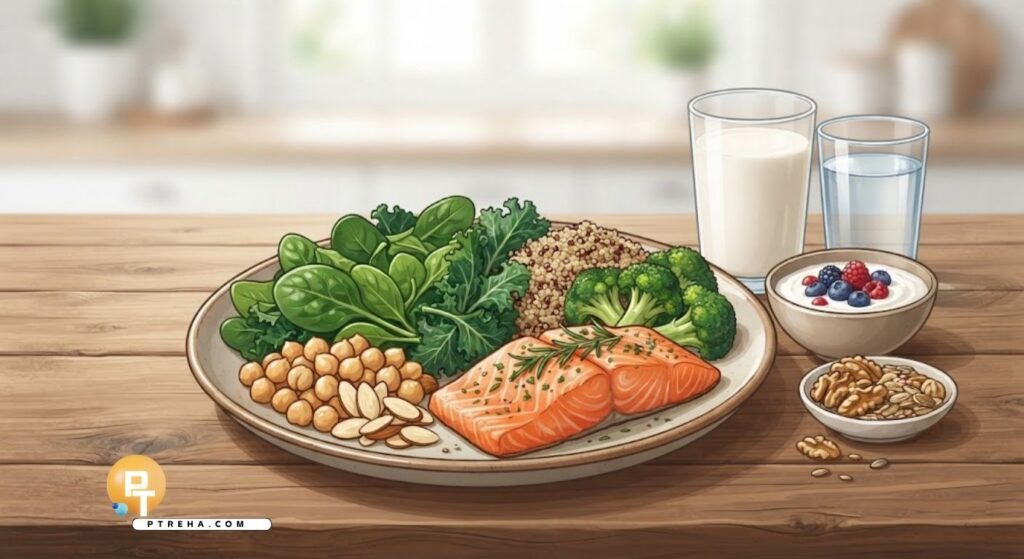
Choosing the best lunch foods for bone and joint health means building meals that provide enough protein, calcium, vitamin D, healthy fats, vegetables, and other micronutrients while keeping highly processed foods to a minimum.
A well-planned lunch cannot treat arthritis or osteoporosis by itself, but it can contribute to bone maintenance, muscle support, healthy body weight, and an overall dietary pattern associated with better joint health.
What Makes a Lunch Good for Bones and Joints?
Bone is living tissue that continuously undergoes remodeling.
Adequate nutrition supplies the minerals and nutrients involved in maintaining its structure throughout life.
Joint health is more complex.
Cartilage, bone, muscles, tendons, ligaments, body weight, physical activity, injury history, age, and inflammatory conditions can all influence how a joint feels and functions.
A bone- and joint-supportive lunch should usually contain:
- A substantial source of protein.
- A calcium-containing food.
- Vegetables or fruit.
- A source of healthy unsaturated fat.
- Whole grains or another fiber-rich carbohydrate when appropriate.
- Vitamin D-rich foods when available.
- Foods providing magnesium and potassium.
- Minimal amounts of highly processed meat.
- Limited added sugar.
- Enough food to support your activity level.
Calcium deserves particular attention because it is a major structural component of bone.
The NIH calcium guidance for health professionals explains that calcium contributes substantially to the structure of bones and teeth and also participates in muscle and nerve function.
Lunch is therefore a useful opportunity to distribute important nutrients throughout the day rather than trying to obtain everything at dinner.
Best Protein Foods to Include at Lunch
Protein is important for muscles as well as the structural matrix of bone.
Maintaining muscle strength also matters functionally because muscles help control movement, balance, and loading around joints.
Good lunch proteins include:
- Salmon.
- Sardines.
- Chicken or turkey.
- Eggs.
- Greek yogurt.
- Cottage cheese.
- Lentils.
- Chickpeas.
- Beans.
- Tofu or calcium-set soy products.
A practical lunch does not need an unusually high amount of protein.
The goal is to include a meaningful protein source rather than relying on bread, crackers, or salad vegetables alone.
For example, instead of eating a plain green salad, add grilled chicken, salmon, lentils, chickpeas, eggs, tofu, or Greek yogurt-based dressing.
Plant proteins can also work well.
A lentil bowl containing vegetables, tahini, olive oil, and whole grains provides protein along with fiber and several minerals.
Calcium-Rich Lunch Foods for Bone Health
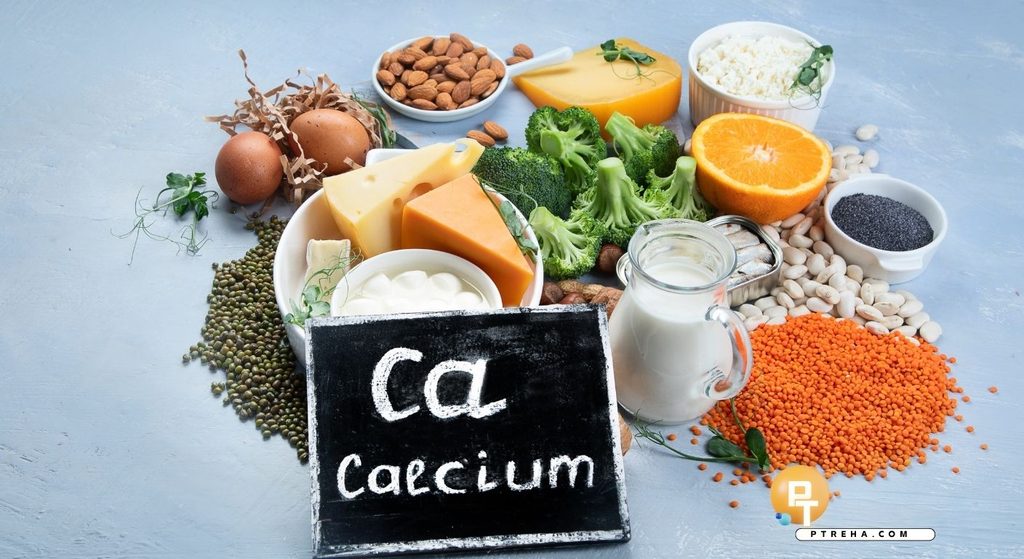
Calcium is one of the most important nutritional considerations for maintaining normal bone mineralization.
Dairy foods are convenient sources, but they are not the only options.
Useful calcium-containing lunch foods include:
- Plain yogurt.
- Greek yogurt.
- Milk.
- Calcium-fortified soy beverages.
- Some calcium-set tofu.
- Sardines with edible bones.
- Canned salmon containing soft bones.
- Kale.
- Broccoli.
- Tahini.
- Certain fortified foods.
The amount of calcium varies substantially among foods and brands.
Fortified plant drinks, tofu, and packaged foods should therefore be checked on the nutrition label rather than assumed to contain a particular amount.
A simple example is a chicken-and-vegetable wrap served with plain yogurt.
Another option is a tofu bowl with broccoli, brown rice, sesame or tahini dressing, and fruit.
People who avoid dairy can still build a calcium-rich lunch, but meal planning becomes more important.
Helpful dairy-free combinations include:
- Calcium-set tofu with vegetables.
- Fortified soy drink with lunch.
- Chickpea and tahini bowls.
- Kale added to grain bowls.
- Sardines if fish is eaten.
- Calcium-fortified yogurt alternatives.
No single food has to provide all of the day’s calcium.
Consistent intake across meals is generally more practical.
Vitamin D Foods That Work Well at Lunch
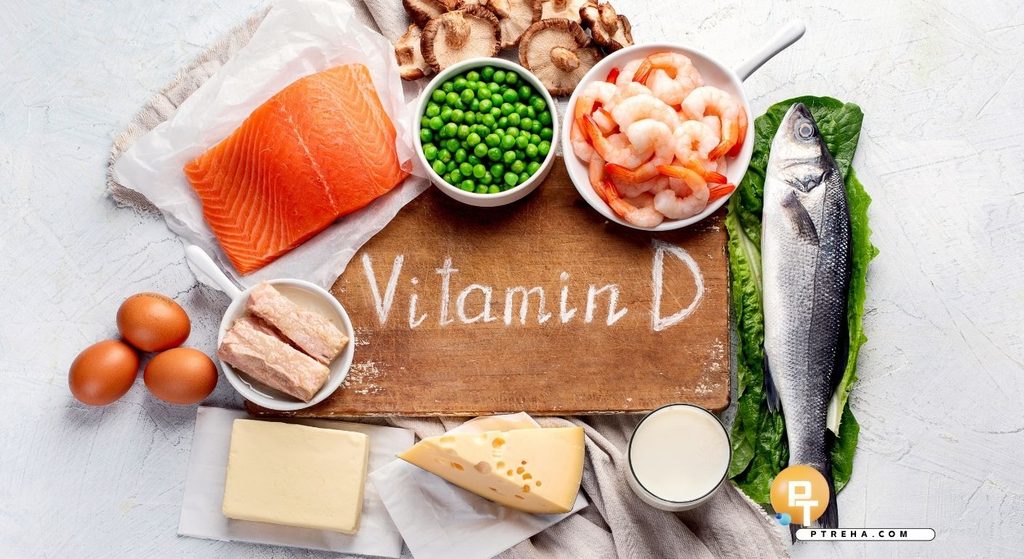
Vitamin D plays an essential role in calcium metabolism and normal bone mineralization.
The NIH vitamin D fact sheet explains that vitamin D promotes calcium absorption and is needed for normal bone growth and remodeling.
Relatively few foods naturally contain substantial vitamin D.
Useful lunch choices include:
- Salmon.
- Sardines.
- Trout.
- Tuna.
- Egg yolks.
- Vitamin D-fortified milk.
- Fortified plant beverages.
- Some fortified yogurt products.
- Certain UV-exposed mushrooms.
Fatty fish is particularly useful because it can provide vitamin D, protein, and omega-3 fatty acids in the same meal.
A salmon lunch does not need to be complicated.
Try grilled salmon with roasted vegetables, quinoa, and a yogurt-based sauce.
Another practical option is canned salmon mixed with plain yogurt, herbs, lemon, and vegetables and served in a whole-grain wrap.
Vitamin D deficiency cannot necessarily be corrected by food alone.
People who have been diagnosed with a deficiency should follow the treatment plan provided by their healthcare professional rather than relying solely on dietary changes.
Fatty Fish and Omega-3 Foods for Joint-Friendly Lunches
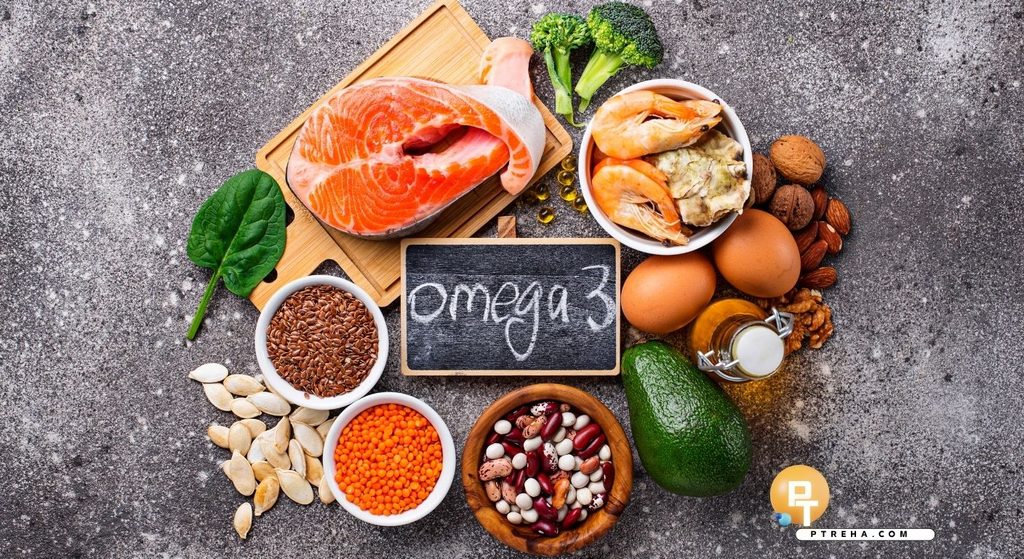
Fatty fish is one of the most useful foods to include regularly when building meals around both bone and joint health.
Examples include:
- Salmon.
- Sardines.
- Herring.
- Mackerel.
- Trout.
- Anchovies.
These fish contain the marine omega-3 fatty acids EPA and DHA.
Research into diet and inflammatory arthritis has generated particular interest in Mediterranean-style eating patterns containing fish, vegetables, whole grains, legumes, nuts, and olive oil.
The Arthritis Foundation’s guidance on anti-inflammatory eating highlights a Mediterranean-style pattern emphasizing foods such as fish, vegetables, beans, nuts, seeds, and olive oil.
It is important, however, not to describe fish as a treatment for every painful joint.
Joint pain may arise from osteoarthritis, inflammatory arthritis, tendon disorders, injuries, referred pain, or other conditions.
Nutrition supports health but does not replace appropriate assessment or medical treatment.
Good fish-based lunches include:
- Salmon with quinoa and broccoli.
- Sardines on whole-grain toast with tomato.
- Tuna and white-bean salad.
- Trout with roasted vegetables.
- Salmon and avocado grain bowl.
People who do not eat fish can obtain plant omega-3 alpha-linolenic acid from foods such as walnuts, chia seeds, and ground flaxseed, although its metabolism differs from the EPA and DHA obtained from seafood.
Vegetables and Fruits That Fit a Bone-Healthy Lunch
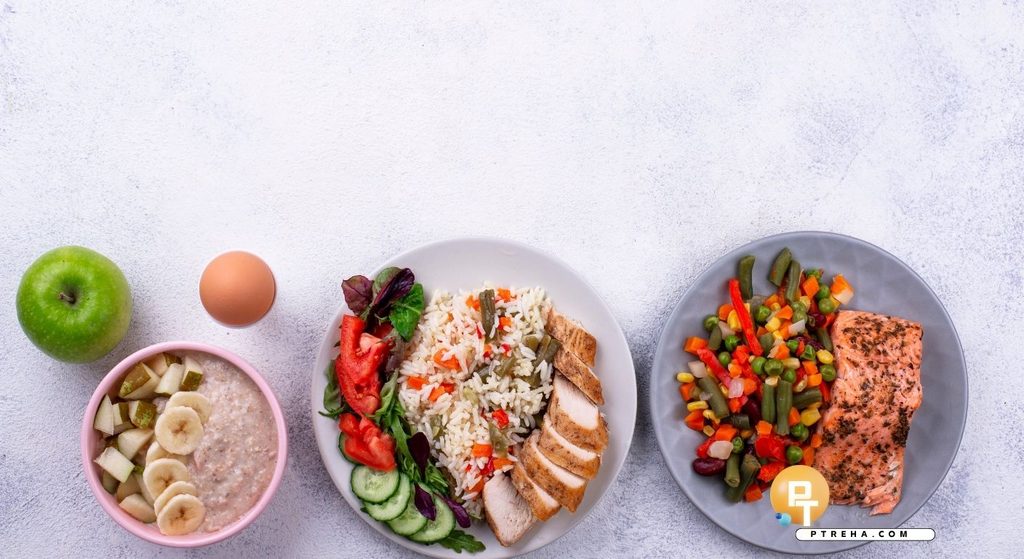
Vegetables and fruits provide vitamin C, potassium, folate, carotenoids, polyphenols, and numerous other compounds.
Vitamin C is particularly relevant because it is required for normal collagen synthesis.
Collagen is an important structural protein in connective tissues and bone matrix.
Useful lunch vegetables include:
- Broccoli.
- Kale.
- Spinach.
- Bell peppers.
- Tomatoes.
- Carrots.
- Cabbage.
- Brussels sprouts.
- Onions.
- Mixed salad greens.
Fruit can complement the meal without needing to become the main course.
Good choices include:
- Oranges.
- Kiwi.
- Berries.
- Apples.
- Pears.
- Grapes.
- Peaches.
Try to vary colors rather than focusing on a single supposedly “super” vegetable.
For example, a bowl containing spinach, tomato, red pepper, chickpeas, quinoa, feta, and olive oil provides a broader nutrient profile than lettuce alone.
Frozen vegetables are also useful.
They are convenient, have a long storage life, and can make a nutritious lunch much easier to prepare consistently.
Whole Grains, Beans, Nuts, and Seeds
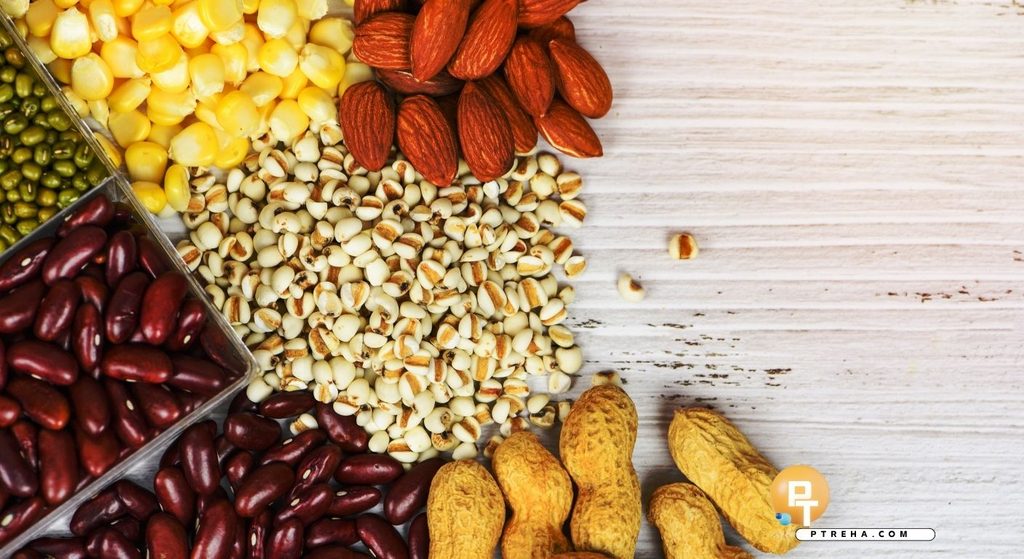
Bone and joint nutrition involves more than calcium.
Whole grains, legumes, nuts, and seeds can contribute protein, magnesium, fiber, unsaturated fats, and several vitamins and minerals.
Useful choices include:
- Oats.
- Brown rice.
- Quinoa.
- Whole-grain bread.
- Barley.
- Lentils.
- Chickpeas.
- Black beans.
- Almonds.
- Walnuts.
- Chia seeds.
- Ground flaxseed.
- Pumpkin seeds.
Legumes are particularly practical because they combine plant protein and fiber.
Consider a chickpea and quinoa bowl with vegetables, olive oil, lemon, herbs, and plain yogurt.
Another option is lentil soup served with whole-grain bread and a side salad.
Nuts and seeds work best as additions rather than the entire lunch.
Sprinkle walnuts over salads, add chia to yogurt, or use tahini in a dressing.
These additions can increase nutrient density without dramatically changing the meal.
10 Practical Lunches for Bone and Joint Health
The best meals are usually the ones you can prepare consistently.
Here are ten balanced ideas.
1. Salmon and Quinoa Bowl
Combine:
- Baked salmon.
- Quinoa.
- Broccoli.
- Spinach.
- Tomato.
- Olive oil and lemon.
This combination provides protein, vegetables, healthy fats, and several nutrients involved in musculoskeletal health.
2. Greek Yogurt Chicken Wrap
Use:
- Whole-grain wrap.
- Grilled chicken.
- Lettuce.
- Tomato.
- Cucumber.
- Greek yogurt dressing.
Greek yogurt adds calcium and protein while replacing some mayonnaise-based sauces.
3. Sardine and Avocado Toast
Combine:
- Whole-grain bread.
- Sardines.
- Avocado.
- Tomato.
- Lemon juice.
- Mixed greens.
Sardines with edible bones can contribute calcium in addition to protein and omega-3 fatty acids.
4. Lentil and Vegetable Soup
Include:
- Lentils.
- Carrots.
- Celery.
- Tomatoes.
- Spinach.
- Onion.
- Herbs.
Pair it with plain yogurt or a calcium-fortified alternative when appropriate.
5. Tofu Broccoli Bowl
Build the bowl with:
- Calcium-set tofu.
- Broccoli.
- Brown rice.
- Carrots.
- Edamame.
- Sesame or tahini dressing.
Check tofu labels because calcium content differs according to the manufacturing method.
6. Tuna and White-Bean Salad
Mix:
- Tuna.
- White beans.
- Tomato.
- Cucumber.
- Red onion.
- Parsley.
- Olive oil.
This makes a protein-rich lunch that requires very little preparation.
7. Egg and Spinach Plate
Serve:
- Eggs.
- Spinach.
- Whole-grain toast.
- Tomatoes.
- Plain yogurt.
- Fresh fruit.
Eggs provide protein and contain some vitamin D, although they should not be treated as the primary dietary source of vitamin D.
8. Chickpea Tahini Bowl
Combine:
- Chickpeas.
- Tahini.
- Kale.
- Tomato.
- Cucumber.
- Whole grains.
- Lemon.
This is a practical plant-based option containing protein, fiber, and several minerals.
9. Chicken, Sweet Potato, and Broccoli Bowl
Use:
- Grilled chicken.
- Roasted sweet potato.
- Broccoli.
- Leafy greens.
- Olive oil dressing.
It provides a useful combination of protein, vegetables, complex carbohydrate, and unsaturated fat.
10. Salmon Salad Sandwich
Prepare it with:
- Canned salmon.
- Plain Greek yogurt.
- Celery.
- Herbs.
- Whole-grain bread.
- Leafy greens.
If the canned salmon contains soft edible bones, they can also contribute calcium.
Bone and Joint Lunch Comparison Table
| Lunch food | Key nutrients | Practical use |
|---|---|---|
| Salmon | Protein, omega-3s, vitamin D | Bowls, salads, wraps |
| Sardines | Protein, omega-3s, calcium when bones are eaten | Toast, salads |
| Greek yogurt | Protein, calcium | Side dish, dressing |
| Calcium-set tofu | Protein, calcium | Stir-fries, bowls |
| Lentils | Protein, fiber, minerals | Soup, salads, bowls |
| Chickpeas | Protein, fiber | Salads, wraps |
| Broccoli | Vitamin C, vitamin K, fiber | Side dish, bowls |
| Kale | Vitamin K, carotenoids, some calcium | Salads, soups |
| Walnuts | Unsaturated fats, plant omega-3 | Salad topping |
| Olive oil | Monounsaturated fat | Dressing, cooking |
| Whole grains | Fiber, magnesium, carbohydrate | Base for bowls |
| Berries | Vitamin C, polyphenols | Dessert or yogurt topping |
Rather than chasing individual nutrients, combine several of these food groups into one meal.
A useful template is protein + vegetables + fiber-rich carbohydrate + calcium source + healthy fat.
Foods to Limit in an Everyday Joint-Friendly Lunch
You do not need to eliminate every processed food.
However, lunches built primarily from heavily processed foods can displace vegetables, fiber, quality protein, and micronutrient-rich foods.
Items worth limiting include:
- Processed meat eaten frequently.
- Deep-fried fast foods.
- Sugar-sweetened drinks.
- Pastries used as a meal.
- Large amounts of refined snack foods.
- Excessively salty convenience meals.
- Meals dominated by saturated fat.
- Large portions with few vegetables.
- Frequent sugary sauces.
- Highly processed lunches with little protein or fiber.
This does not mean an individual food automatically causes joint inflammation.
The overall dietary pattern matters more than occasionally eating a particular food.
Weight management can also influence joint loading, especially at weight-bearing joints such as the knees and hips.
However, aggressive restriction is not necessary for everyone, and adequate protein and total nutrition remain important.
How to Build a Better Lunch in Five Minutes
A healthy lunch does not require complicated meal preparation.
Start with one protein:
- Leftover chicken.
- Canned salmon.
- Tuna.
- Eggs.
- Greek yogurt.
- Tofu.
- Lentils.
- Chickpeas.
Then add vegetables:
- Bagged salad.
- Frozen broccoli.
- Tomatoes.
- Cucumber.
- Spinach.
- Carrots.
Add a carbohydrate if desired:
- Whole-grain bread.
- Brown rice.
- Quinoa.
- Oats.
- Sweet potato.
- Whole-grain wrap.
Finish with a nutritious fat or topping:
- Olive oil.
- Avocado.
- Walnuts.
- Almonds.
- Chia seeds.
- Tahini.
For example, leftover chicken + microwave brown rice + frozen broccoli + olive oil makes a simple balanced lunch.
Canned salmon + whole-grain bread + salad + yogurt is another option requiring almost no cooking.
Consistency is usually more useful than constructing a supposedly perfect meal once or twice.
Common Nutrition Mistakes for Bone and Joint Health
One common mistake is concentrating only on calcium.
Calcium matters, but bones also depend on adequate protein, vitamin D, physical loading, and an overall sufficient diet.
Other mistakes include:
- Eating too little protein.
- Avoiding all dietary fat.
- Depending heavily on supplements.
- Eating very few vegetables.
- Skipping lunch and overeating later.
- Assuming every joint symptom is caused by inflammation.
- Eliminating foods without a clear reason.
- Using restrictive “arthritis detox” diets.
- Ignoring total calorie intake.
- Expecting one food to repair damaged cartilage.
Another mistake is assuming supplements are automatically better than food.
Supplements can be appropriate when there is a diagnosed deficiency, inadequate dietary intake, or another clinical indication, but doses should reflect individual requirements.
Excessive intake of some nutrients can also cause problems.
From a physical therapy perspective, nutrition should be viewed alongside progressive exercise, muscle strength, balance, sleep, appropriate body weight, and management of underlying musculoskeletal or rheumatologic conditions.
A Simple Weekly Lunch Strategy
You do not need ten completely different lunches every week.
Choose several basic meals and rotate them.
A practical pattern could include:
- One or two fish-based lunches.
- One lentil meal.
- One chickpea or bean meal.
- One chicken-based lunch.
- One tofu-based option.
- Vegetables with every main lunch.
- Yogurt or another calcium-rich food regularly.
- Whole grains on most days when appropriate.
- Nuts or seeds as toppings.
- Fresh fruit as an easy side.
Preparing ingredients rather than complete meals can make this easier.
Cook a grain, roast vegetables, prepare one protein, wash salad ingredients, and make a simple olive oil or yogurt-based dressing.
You can then assemble different meals quickly.
The best lunch foods for bone and joint health are not exotic foods or expensive supplements.
They are familiar foods such as fish, dairy or fortified alternatives, legumes, vegetables, whole grains, nuts, seeds, and olive oil combined into balanced meals.
A nutritious lunch supports the musculoskeletal system best when it is part of a broader pattern that includes adequate total nutrition, regular resistance and weight-bearing activity when appropriate, good sleep, and individualized care for existing bone or joint conditions.
Frequently Asked Questions
What Is the Best Lunch for Bone Health?
There is no single best meal.
A strong option combines protein, a calcium-containing food, vegetables, healthy fat, and a fiber-rich carbohydrate.
For example, salmon with broccoli, quinoa, and yogurt provides several nutrients relevant to bone and muscle health.
Which Food Is Best for Both Bones and Joints?
Fatty fish is particularly useful because it provides protein, and certain varieties supply vitamin D and omega-3 fatty acids.
However, it should be part of a varied diet rather than treated as a standalone treatment for joint problems.
Is Yogurt Good for Bones?
Yes.
Yogurt can provide substantial calcium and protein, although amounts vary by product.
Some products are also fortified with vitamin D, so checking the nutrition label is useful.
Are Eggs Good for Bone Health?
Eggs provide high-quality protein and the yolk contains some vitamin D.
They can contribute to a balanced bone-supportive diet, but they generally should not be relied upon as the only source of calcium or vitamin D.
Is Salmon Good for Joint Health?
Salmon provides EPA and DHA omega-3 fatty acids and fits well within Mediterranean-style dietary patterns.
Eating salmon does not, however, cure arthritis or repair damaged cartilage.
What Vegetarian Lunches Are Good for Bones?
Tofu, lentils, beans, chickpeas, yogurt, fortified soy products, tahini, broccoli, kale, nuts, seeds, and whole grains can all contribute.
A tofu and broccoli bowl with brown rice and tahini is one practical example.
Should I Avoid Tomatoes If I Have Joint Pain?
There is no general requirement for people with arthritis or joint pain to avoid tomatoes or other nightshade vegetables.
Individual food intolerance can occur, but routinely eliminating nutritious vegetables without a specific reason may unnecessarily restrict the diet.
Can Food Rebuild Damaged Joint Cartilage?
No specific food has been proven to regenerate clinically significant damaged cartilage simply through diet.
Adequate nutrition supports normal tissue metabolism, but cartilage disorders require appropriate diagnosis and management based on their cause and severity.
Are Supplements Necessary for Bone Health?
Not everyone needs supplements.
People with inadequate dietary intake, vitamin D deficiency, osteoporosis, certain medical conditions, or other risk factors may be advised to use them.
Supplement type and dosage should be individualized rather than automatically added to everyone’s diet.
Is Lunch Alone Enough to Improve Bone and Joint Health?
No.
Bone and joint health reflects the combined effects of nutrition, physical activity, muscle strength, body weight, genetics, age, medical conditions, medications, injuries, and other factors.
A nutritious lunch is one practical part of a broader musculoskeletal health strategy.