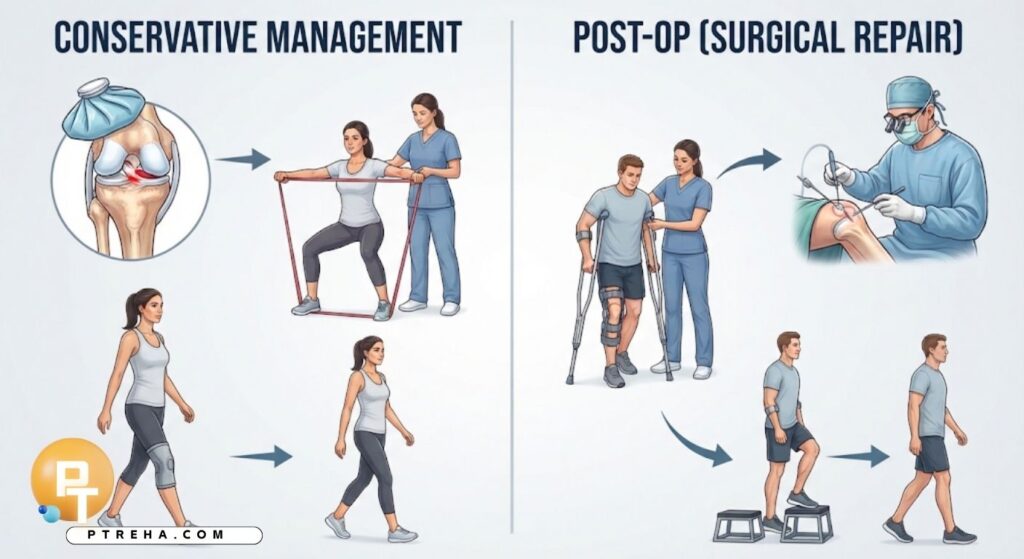
Meniscus tear recovery depends on the tear pattern, symptoms, knee stability and motion, activity demands, associated injuries, and whether the tissue has a realistic potential for healing or repair.
Conservative rehabilitation can be appropriate for many non-displaced tears, while surgery may be considered when symptoms persist, the knee is mechanically blocked, or the tear characteristics make repair more appropriate.
Understanding a Meniscus Tear
The menisci are fibrocartilaginous structures between the femur and tibia that contribute to load distribution, shock absorption, joint stability, and knee mechanics.
Meniscal tears vary considerably in location, orientation, tissue quality, and relationship to the blood supply.
A meniscal abnormality identified on imaging does not automatically mean that it is the sole cause of a person’s knee pain.
Clinical findings should be considered alongside imaging and the person’s symptoms and functional limitations.
Important assessment factors include:
- Mechanism of injury
- Location and suspected tear pattern
- Joint-line pain
- Knee swelling or recurrent effusion
- Active and passive range of motion
- Quadriceps inhibition or weakness
- Knee stability
- Locking or catching
- Walking tolerance
- Sporting requirements
- Occupational demands
- Associated ligament or cartilage injuries
A twisting injury during sport is different from gradually developing knee symptoms associated with degenerative joint changes.
Rehabilitation should reflect that distinction rather than treating every meniscal tear in exactly the same way.
When Conservative Management May Be Appropriate
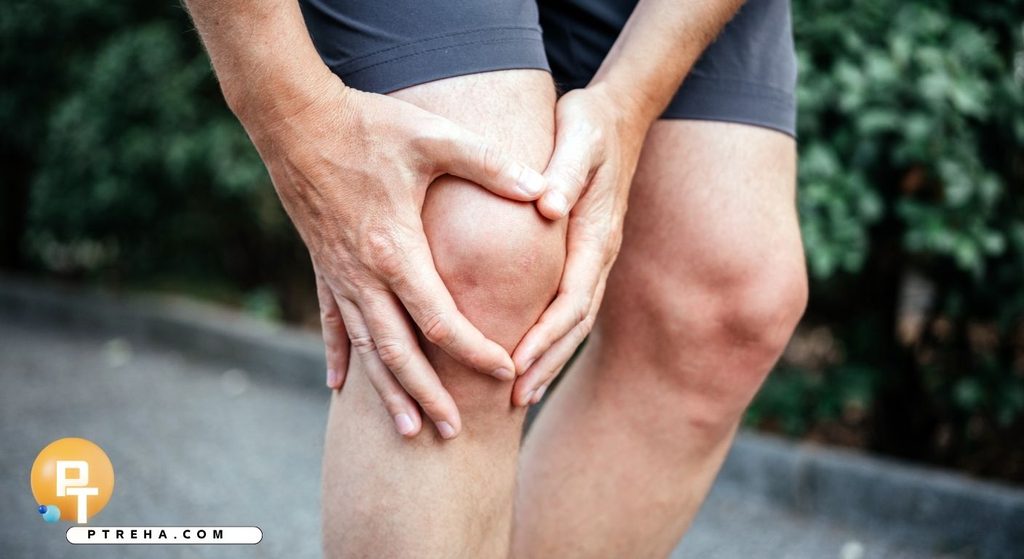
Conservative management means structured rehabilitation without immediate surgery.
For an acute, non-displaced tear that does not produce a persistent mechanical block, a rehabilitation programme may be appropriate when the clinical presentation supports it.
The objective is not simply to make the meniscus “heal” through exercise.
Rehabilitation aims to reduce symptoms, restore knee motion, improve strength and neuromuscular control, and progressively restore the person’s functional capacity.
A conservative programme may include:
- Temporary modification of aggravating activities
- Progressive quadriceps strengthening
- Hamstring strengthening
- Hip strengthening
- Knee range-of-motion exercises
- Neuromuscular training
- Balance exercises
- Progressive weight-bearing
- Cardiovascular conditioning
- Gradual running progression
- Sport-specific rehabilitation
Exercise should be progressed according to the person’s response rather than according to a fixed list of exercises.
Example: Athlete With a Stable Tear
Consider an athlete who develops knee pain after a twisting movement but can fully extend the knee, has manageable swelling, and can progressively tolerate loading.
If clinical assessment does not identify a clear indication for urgent surgery, rehabilitation may begin with symptom-guided loading and progressive strengthening.
The athlete can then progress from basic strengthening toward running, deceleration, cutting, and sport-specific tasks.
The important principle is that meniscus tear recovery is capacity-based rather than simply time-based.
A particular amount of time passing does not automatically demonstrate that the knee is ready for a demanding activity.
When Surgery May Be Considered
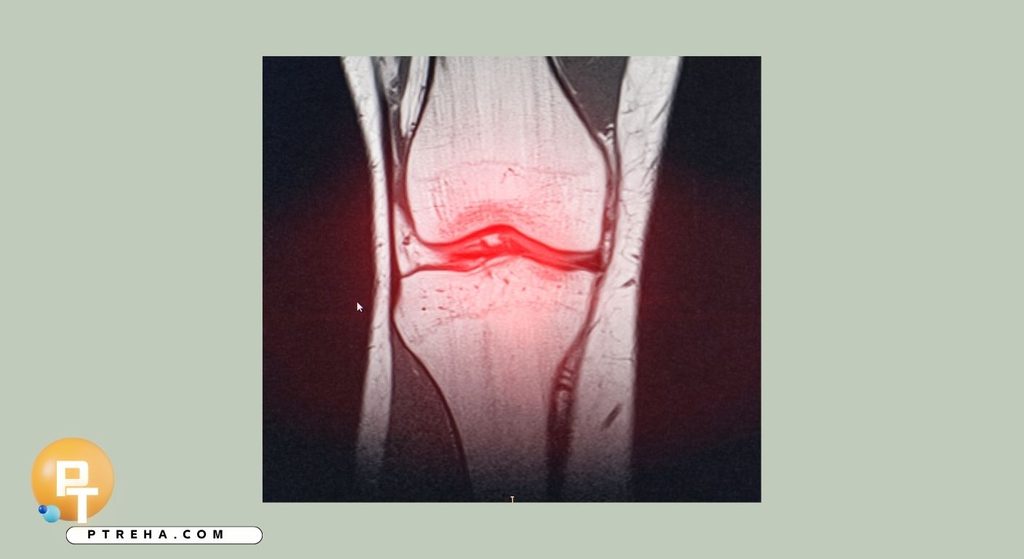
Surgery is not a single treatment pathway.
The main surgical approaches for meniscal tears include meniscal repair and partial meniscectomy, and their rehabilitation requirements can be substantially different.
A displaced or displacing acute tear that restricts knee range of motion is one situation in which early surgical management may be considered.
Tears with repair potential may also be considered for surgical treatment depending on symptoms, tear characteristics, activity requirements, and clinical assessment.
A surgical consultation may become particularly important when there is:
- Persistent inability to fully extend the knee
- A displaced tear producing mechanical blockage
- Persistent symptoms despite appropriate rehabilitation
- A tear pattern considered suitable for repair
- Associated injuries requiring surgical management
- Significant functional limitations
- Recurrent mechanical symptoms
- High-level sporting requirements in selected cases
Surgery should therefore be considered in the context of the individual tear rather than simply because an imaging report identifies a meniscal abnormality.
Conservative Rehabilitation: Practical Progression
A useful rehabilitation programme progresses from symptom management toward normal function rather than prescribing identical exercises for every patient.
Early Rehabilitation
The initial objective is to restore comfortable movement and establish tolerance to basic loading.
Common priorities include:
- Managing activity-related irritation
- Restoring knee extension
- Gradually improving flexion
- Managing swelling
- Activating the quadriceps
- Maintaining hip strength
- Maintaining cardiovascular fitness
- Avoiding activities that repeatedly aggravate symptoms
Exercises may include heel slides, controlled range-of-motion exercises, quadriceps isometrics, straight-leg raises when appropriate, bridges, and supported weight-bearing exercises.
The exact selection depends on irritability, swelling, range of motion, strength, and associated pathology.
Strength and Functional Loading
As symptoms settle, rehabilitation should become progressively more demanding.
Useful exercise categories include:
- Squats within a tolerated range
- Sit-to-stand exercises
- Step-ups
- Split-squat variations
- Leg press variations
- Hip abduction exercises
- Hip extension exercises
- Hamstring strengthening
- Calf strengthening
- Single-leg balance
- Controlled single-leg loading
Exercise selection should be adjusted according to symptoms and movement quality.
For example, a patient who tolerates bilateral squatting may still require additional rehabilitation before safely performing repeated single-leg deceleration or rapid changes of direction.
Returning to Running and Sport
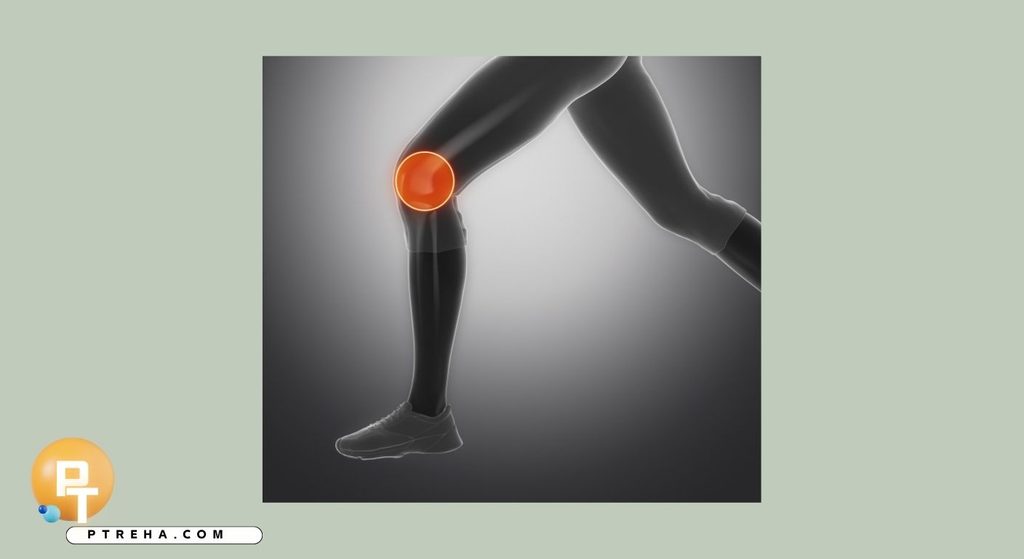
Running should generally be introduced after adequate walking tolerance, appropriate knee motion, and sufficient strength and movement control have been established.
A practical progression may include:
- Comfortable walking
- Brisk walking
- Walk-jog intervals
- Continuous easy running
- Gradual increase in running volume
- Faster running
- Acceleration and deceleration
- Direction changes
- Sport-specific drills
- Controlled return to competition
Pain and swelling should be monitored during and after progression.
For athletes participating in pivoting sports, rehabilitation eventually needs to address the demands of cutting, braking, landing, rotation, and rapid changes in force.
Returning to straight-line jogging is therefore not equivalent to being ready for competitive football, basketball, handball, tennis, or similar activities.
Post-Operative Rehabilitation Depends on the Procedure
One of the most important distinctions in meniscus tear recovery is whether the surgeon performed a meniscal repair or partial meniscectomy.
After a partial meniscectomy, rehabilitation generally focuses on restoring knee motion, controlling postoperative symptoms, recovering strength, and progressively returning to normal activity.
After a meniscal repair, rehabilitation must also protect the repaired tissue while it heals.
Weight-bearing status, range-of-motion restrictions, brace use, and exercise progression can therefore differ according to the repair characteristics and postoperative instructions.
| Rehabilitation issue | Conservative management | After partial meniscectomy | After meniscal repair |
|---|---|---|---|
| Main objective | Restore function without surgery | Recover function after surgery | Protect repair while restoring function |
| Range of motion | Progress according to symptoms | Progressively restored | May initially be restricted |
| Weight bearing | Guided by symptoms and function | Progress according to recovery | May initially be restricted |
| Strength training | Progressive | Progressive | Progressive within precautions |
| Running | Criteria-based progression | Gradual progression | Usually introduced later |
| Cutting and pivoting | Progress when capacity permits | Gradual sport-specific progression | Delayed according to healing and criteria |
| Main consideration | Response to rehabilitation | Postoperative recovery | Protection of repaired tissue |
This table is a general framework rather than a universal postoperative protocol.
Surgical technique, tear location, repair configuration, associated procedures, and surgeon-specific restrictions can substantially change rehabilitation.
Rehabilitation After Meniscal Repair
Following repair, rehabilitation must balance two objectives: protecting the healing meniscus while avoiding unnecessary weakness, stiffness, and deconditioning.
Early rehabilitation may emphasize:
- Protection of the repair
- Appropriate weight-bearing restrictions
- Control of swelling
- Restoration of permitted knee motion
- Quadriceps activation
- Hip strengthening
- Ankle movement and strengthening
- Safe gait progression
- Appropriate cardiovascular conditioning
The therapist should use the operative information and postoperative instructions rather than applying a generic “meniscus surgery” protocol.
As healing progresses, rehabilitation can move toward:
- Progressive closed-chain strengthening
- Single-leg control
- Balance training
- Cardiovascular conditioning
- Functional strengthening
- Running preparation
- Plyometric preparation
- Sport-specific drills
Return to high-demand sport should not depend solely on the number of weeks after surgery.
Strength, movement quality, swelling response, symptoms, confidence, and task-specific capacity should also be considered.
Partial Meniscectomy vs. Meniscal Repair
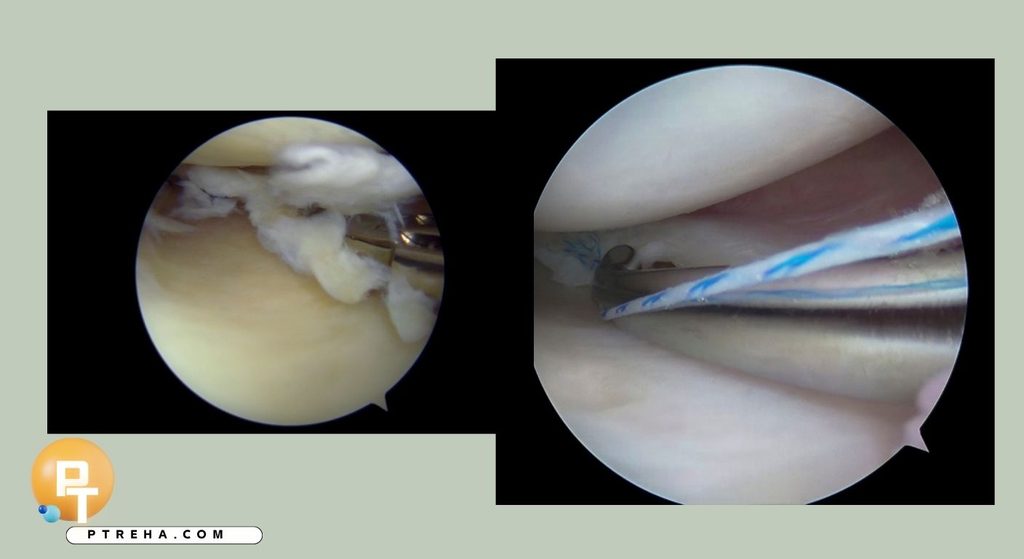
Partial meniscectomy removes the damaged portion of the meniscus that cannot be preserved, whereas repair attempts to preserve and stabilize meniscal tissue.
This distinction matters considerably during rehabilitation.
Recovery after partial meniscectomy may progress relatively quickly in many uncomplicated cases because there is no repaired tissue requiring the same degree of biological protection.
Meniscal repair generally requires a more protective rehabilitation strategy because the repaired tissue needs appropriate biological and mechanical conditions for healing.
Meniscal preservation is an important principle when clinically appropriate because preserving functional meniscal tissue can help maintain its load-distribution and joint-protective functions.
When planning rehabilitation, consider:
- What procedure was performed?
- Was the meniscus repaired?
- Which portion of the meniscus was treated?
- Were other structures treated?
- What restrictions were prescribed?
- What is the current range of motion?
- How much swelling is present?
- What is the current quadriceps capacity?
- What activities does the patient need to perform?
- What criteria are required for progression?
Conservative Management vs. Post-Operative Recovery
The two pathways share many rehabilitation principles but have different constraints.
With conservative management, the therapist can progressively test loading according to symptoms, movement quality, and functional response.
After surgery, rehabilitation must also respect the surgical procedure.
A patient may feel capable of performing more activity than the healing tissue can safely tolerate, particularly following meniscal repair.
Research involving degenerative meniscal tears has shown that structured exercise therapy can provide meaningful improvements in pain and function, and that arthroscopic partial meniscectomy does not necessarily provide clinically important additional benefit for many patients with degenerative meniscal disease.
This evidence should not automatically be applied to every acute traumatic tear in a young athlete.
Degenerative meniscal disease and acute sports-related meniscal injuries represent different clinical situations.
The treatment decision should therefore consider:
- Acute versus degenerative presentation
- Tear characteristics
- Mechanical symptoms
- Knee stability
- Functional limitations
- Associated injuries
- Patient goals
- Sporting requirements
- Response to rehabilitation
- Surgical options and their implications
Common Rehabilitation Mistakes
Successful rehabilitation requires more than selecting a list of knee exercises.
Common mistakes include:
- Treating every MRI finding as the source of symptoms
- Progressing exercise despite increasing swelling
- Avoiding all knee loading for too long
- Returning to running before adequate capacity is restored
- Ignoring hip and trunk strength
- Neglecting single-leg control
- Testing sport-specific skills too late
- Using pain as the only progression criterion
- Assuming surgery automatically restores function
- Applying a repair protocol after partial meniscectomy
- Applying a partial-meniscectomy protocol after repair
- Using a fixed timeline without reassessing the patient
A rehabilitation protocol should provide structure, but clinical reassessment should determine whether progression is appropriate.
For example, if a patient develops repeated swelling after increasing running volume, simply continuing the programme because the planned rehabilitation stage has been reached may not be appropriate.
Red Flags and When to Reassess
Certain symptoms require clinical reassessment rather than simply increasing exercise intensity.
Seek appropriate medical assessment when there is:
- Persistent inability to fully extend the knee
- Increasing rather than improving swelling
- Significant deterioration in walking ability
- Repeated episodes of mechanical knee blockage
- New or worsening instability
- Significant calf swelling or pain
- Fever following surgery
- Concerning wound changes
- Unexpected severe postoperative pain
- New neurological symptoms
- New vascular symptoms
A true mechanically locked knee is different from occasional clicking or a subjective catching sensation.
Persistent objective loss of knee extension deserves particular attention because it may indicate a displaced intra-articular lesion or another mechanical problem.
Conclusion
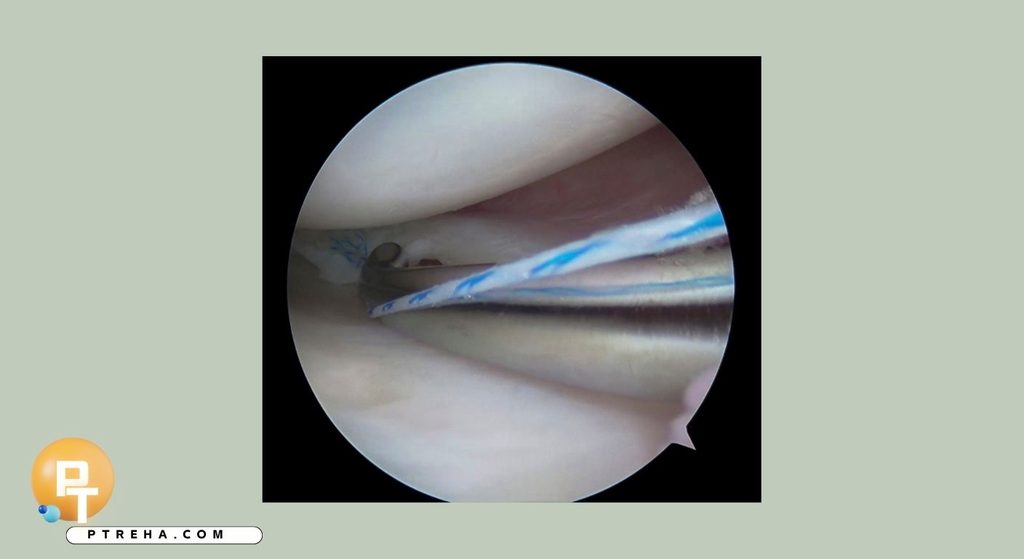
Meniscus tear recovery should be individualized according to the tear, symptoms, patient goals, associated injuries, and treatment pathway.
Conservative rehabilitation can be appropriate for selected non-displaced tears, while surgery may be considered for particular acute tears, mechanical obstruction, repairable lesions, or persistent symptoms after appropriate non-operative management.
After surgery, the distinction between meniscal repair and partial meniscectomy is essential because their protection requirements are different.
Regardless of the treatment pathway, progressive strength, range of motion, neuromuscular control, functional capacity, and appropriate return-to-activity criteria remain central components of rehabilitation.
Frequently Asked Questions
Can a meniscus tear heal without surgery?
Some meniscal tears can become clinically manageable without surgery, particularly when they are non-displaced and do not produce persistent mechanical obstruction.
Whether the tear itself heals structurally depends on factors such as its location, blood supply, tear characteristics, and tissue quality.
Is physical therapy useful for a meniscus tear?
Physical therapy can help improve pain, range of motion, strength, function, and activity tolerance.
Rehabilitation may be used as part of conservative treatment or as an important component of recovery following meniscal surgery.
Does every meniscus tear require an MRI?
Not necessarily.
Clinical assessment can provide important information when evaluating a suspected meniscal injury, while MRI can be useful when imaging is required to characterize the pathology or assess associated structures.
When is surgery more likely to be considered?
Surgery may be considered when a tear produces persistent mechanical restriction, has characteristics that make repair appropriate, or symptoms remain functionally limiting despite appropriate non-operative management.
The decision should incorporate clinical findings, imaging, activity requirements, and individual circumstances.
How long does meniscus tear recovery take?
There is no single recovery period that applies to every meniscal tear.
Recovery depends on whether treatment is conservative, whether partial meniscectomy or repair was performed, whether other structures were injured, and how the individual responds to rehabilitation.
Can I exercise with a meniscus tear?
Exercise is often an important part of management, but exercises should be selected according to symptoms, range of motion, strength, and the clinical presentation.
Increasing swelling, worsening symptoms, or loss of motion should prompt reassessment of the rehabilitation programme.
Is recovery faster after a partial meniscectomy than a meniscus repair?
Functional recovery can often progress sooner after partial meniscectomy because there is no repaired tissue requiring the same level of protection.
Meniscal repair generally requires a more protective progression because the repaired tissue needs time and appropriate mechanical conditions for healing.
When can an athlete return to running after meniscus surgery?
Running should be introduced when the knee demonstrates appropriate motion, strength, symptom control, and tolerance to progressive loading while respecting the postoperative protocol.
Following meniscal repair, running progression is generally more constrained than after an uncomplicated partial meniscectomy.
Does clicking mean that a meniscus tear is getting worse?
Not necessarily.
Clicking and catching can occur with several knee conditions and do not independently establish progression of a meniscal tear.
Persistent mechanical locking or a new inability to fully extend the knee is more clinically significant and should be assessed.
Is surgery better than physiotherapy for a meniscus tear?
There is no universal answer because meniscal tears differ substantially.
For many people with degenerative meniscal disease, structured exercise therapy can provide meaningful improvements without the need for arthroscopic partial meniscectomy, while selected acute traumatic tears may require different considerations.
Resources
- AAOS Clinical Practice Guideline: Management of Acute Isolated Meniscal Pathology
- AAOS Clinical Practice Guideline PDF
- British Journal of Sports Medicine: Ten-year follow-up of partial meniscectomy versus exercise therapy
- The BMJ: Exercise therapy versus arthroscopic partial meniscectomy
- The BMJ: Arthroscopic surgery for degenerative knee disease and meniscal tears