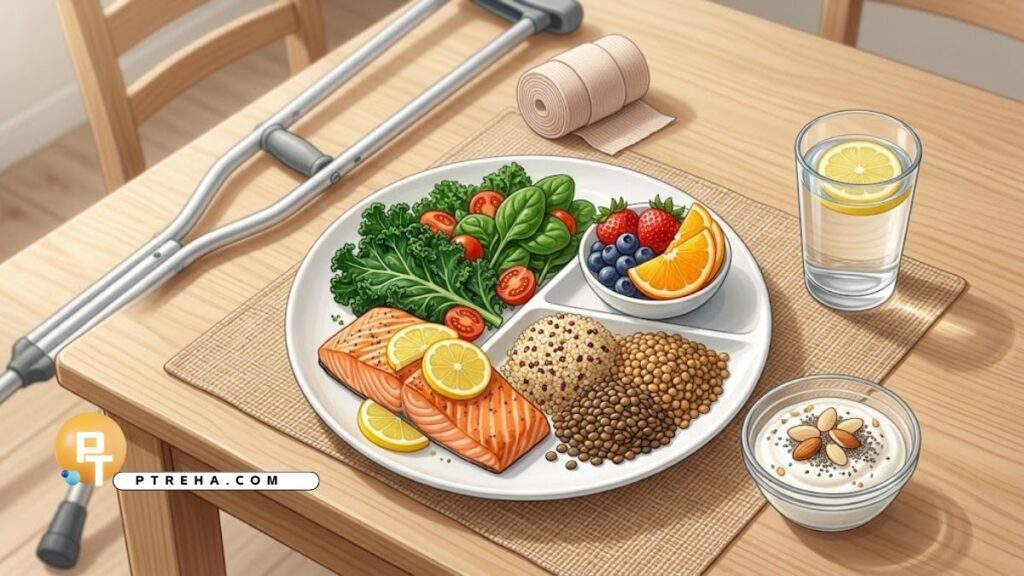
Recovering from an orthopaedic injury or surgery requires more than rest and physical therapy.
A balanced for orthopaedic Recovery Diet provides energy, protein, vitamins, minerals, and fluids that support bone remodeling, muscle maintenance, connective-tissue repair, wound healing, and a safe return to movement.
The goal is not a special “healing diet,” but a consistent pattern of nutritious foods matched to the demands of recovery.
Why Nutrition Matters During Orthopaedic Recovery
After an orthopaedic injury, the body has increased demands for tissue repair and recovery.
Surgery, reduced mobility, inflammation, and rehabilitation can also change appetite, energy needs, and muscle activity.
Good nutrition helps provide the raw materials needed for repairing tissue and maintaining physical function.
Hospital guidance from the Royal National Orthopaedic Hospital emphasizes adequate energy, protein, vitamins, minerals, and fluids during recovery, particularly when appetite is reduced.
Royal National Orthopaedic Hospital: Eating Well Before and After Surgery
Important goals include:
- Maintain adequate energy intake.
- Eat protein regularly throughout the day.
- Include vegetables and fruit daily.
- Choose calcium-rich foods.
- Include sources of vitamin D.
- Obtain iron from appropriate foods.
- Include vitamin C-rich foods.
- Include zinc-containing foods.
- Drink enough fluids.
- Limit heavily processed foods without unnecessarily restricting calories.
Nutrition works alongside appropriate medical treatment and rehabilitation.
It does not replace fracture management, surgery, medication, or a prescribed physical therapy program.
Protein for Muscle and Tissue Repair
Protein is one of the most important nutritional components during orthopaedic recovery.
It supplies amino acids needed to maintain and repair muscle and other tissues.
Reduced activity can cause muscle loss, especially after a fracture, joint replacement, ligament injury, or period of immobilization.
Adequate protein combined with appropriately prescribed rehabilitation helps support the maintenance and rebuilding of muscle.
Rather than consuming most of the day’s protein in one meal, include a protein source at regular meals and, when appropriate, snacks.
Useful protein choices include:
- Eggs.
- Greek yogurt.
- Milk.
- Cottage cheese.
- Chicken or turkey.
- Fish and seafood.
- Lean meat.
- Tofu and tempeh.
- Lentils.
- Beans and chickpeas.
- Nuts and seeds.
For example, a breakfast of Greek yogurt, oats, berries, and seeds provides protein along with carbohydrates, fiber, and micronutrients.
A lunch containing chicken, brown rice, vegetables, and yogurt can provide another substantial protein-containing meal.
People with kidney disease or other conditions affecting protein requirements should follow individualized advice from their physician or dietitian rather than automatically increasing protein intake.
Energy and Carbohydrates During Recovery
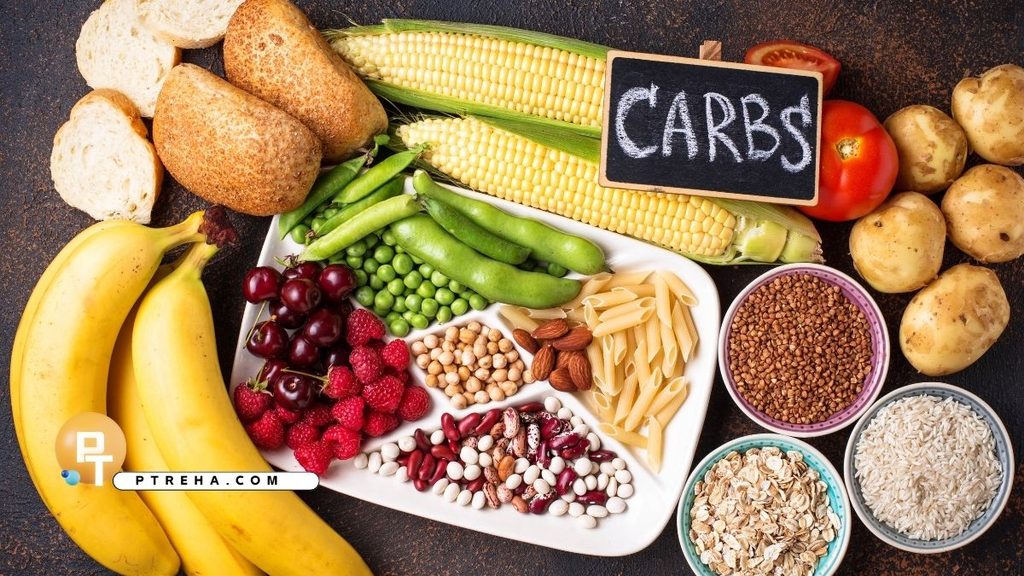
Healing requires energy.
Eating too little can make it more difficult to meet the nutritional demands of recovery and may contribute to loss of body tissue.
Carbohydrates are an important energy source, particularly when physical therapy and strengthening exercises are part of rehabilitation.
Good carbohydrate choices include:
- Oats.
- Potatoes.
- Wholegrain bread.
- Brown or wholegrain rice.
- Wholegrain pasta.
- Quinoa.
- Beans and lentils.
- Fruit.
- Starchy vegetables.
There is no need to eliminate carbohydrates because they are sometimes associated with weight gain.
The appropriate amount depends on activity level, body size, medical conditions, appetite, and rehabilitation demands.
If appetite is poor, smaller meals eaten more frequently may be easier than three large meals.
Adding nutritious calorie-dense foods such as olive oil, nut butter, avocado, cheese, or full-fat dairy can also help increase energy intake without greatly increasing meal volume.
Calcium, Vitamin D, and Bone Health

Calcium is essential for normal bone structure and mineralization.
During recovery from a fracture or other bone-related condition, maintaining adequate calcium intake is important as part of an overall nutritious diet.
Food sources include:
- Milk.
- Yogurt.
- Cheese.
- Calcium-fortified plant drinks.
- Calcium-set tofu.
- Canned fish with edible bones.
- Some leafy green vegetables.
- Fortified foods.
Vitamin D supports calcium absorption and normal bone metabolism.
Food sources include oily fish, egg yolks, and fortified foods, while sunlight exposure can contribute to vitamin D production depending on season, location, skin characteristics, and other factors.
Vitamin D deficiency may require supplementation, but high-dose supplementation should not be started routinely without appropriate medical advice.
A clinician can determine whether testing or supplementation is appropriate.
Vitamins and Minerals That Support Healing
A balanced diet supplies many micronutrients involved in normal tissue repair, immune function, blood formation, and collagen production.
Vitamin C is particularly important because it participates in collagen formation and also helps the body absorb non-heme iron from plant foods.
Useful vitamin C sources include:
- Oranges and other citrus fruits.
- Kiwi.
- Strawberries.
- Bell peppers.
- Tomatoes.
- Broccoli.
- Brussels sprouts.
- Potatoes.
- Berries.
Iron is important for normal hemoglobin production and oxygen transport.
Iron-rich foods include meat, fish, eggs, beans, lentils, leafy vegetables, nuts, seeds, and fortified cereals.
Zinc is involved in normal tissue repair and immune function.
Foods containing zinc include meat, seafood, dairy products, beans, lentils, whole grains, nuts, and seeds.
The Royal National Orthopaedic Hospital also identifies protein, iron, vitamin C, zinc, and adequate energy as important considerations when supporting healing and nutritional status after surgery.
Healthy Fats and Anti-Inflammatory Food Choices

Dietary fat provides energy and helps the body absorb fat-soluble vitamins.
The focus should be on the overall quality of the diet rather than attempting to eliminate fat.
Useful choices include:
- Extra-virgin olive oil.
- Avocado.
- Walnuts.
- Almonds.
- Pumpkin seeds.
- Chia seeds.
- Flaxseeds.
- Oily fish such as salmon, sardines, or mackerel.
A practical meal might combine grilled salmon with potatoes, broccoli, and olive oil.
This supplies protein, carbohydrate, fat, and several micronutrients in one meal.
Foods high in added sugars, highly refined carbohydrates, and heavily processed fats do not need to be completely forbidden, but they should not displace the nutritious foods needed for recovery.
Nutrition should also be individualized for people with diabetes, cardiovascular disease, kidney disease, gastrointestinal conditions, or other medical requirements.
Hydration and Recovery
Adequate fluid intake is easy to overlook during periods of reduced activity.
Hydration supports normal circulation, digestion, temperature regulation, and general physiological function.
Water is an excellent primary choice, while milk, unsweetened beverages, and other suitable fluids can also contribute to daily intake.
Practical hydration habits include:
- Keep a water bottle nearby during the day.
- Drink regularly rather than waiting until very thirsty.
- Include fluids with meals.
- Drink more when conditions or activity increase fluid losses.
- Include fluid-rich foods such as soups, fruit, and vegetables.
- Follow individualized fluid restrictions if prescribed.
- Monitor urine color as one practical indicator of hydration, recognizing that some medications and foods can alter urine color.
There is no single fluid target that is appropriate for everyone.
People with heart, kidney, or other conditions requiring fluid restriction should follow their healthcare professional’s instructions.
A Practical Balanced Diet for Orthopaedic Recovery
A simple plate-based approach can make healthy eating easier during rehabilitation.
Aim to build many meals around a combination of protein, vegetables or fruit, a carbohydrate source, and a healthy fat.
| Meal component | Useful choices | Why it matters during recovery |
|---|---|---|
| Protein | Fish, eggs, poultry, yogurt, tofu, beans | Supports muscle and tissue maintenance |
| Carbohydrate | Oats, potatoes, rice, wholegrain bread | Provides energy for daily function and rehabilitation |
| Vegetables | Broccoli, peppers, spinach, carrots | Provides vitamins, minerals, fiber, and antioxidants |
| Fruit | Berries, oranges, kiwi, apples | Provides vitamins, minerals, fiber, and carbohydrates |
| Calcium source | Milk, yogurt, cheese, fortified alternatives | Supports normal bone health |
| Healthy fat | Olive oil, nuts, seeds, avocado | Provides energy and essential fatty acids |
| Fluids | Water, milk, suitable unsweetened drinks | Helps maintain hydration |
A practical dinner could be baked chicken, roasted potatoes, broccoli, a side salad with olive oil, and yogurt with berries.
Another option for a plant-based meal is lentil curry with brown rice, spinach, peppers, and calcium-fortified soy drink.
Adjusting Food Intake When Mobility Is Reduced
A common concern is gaining body fat when exercise is temporarily restricted.
However, aggressive calorie restriction during healing can be counterproductive, particularly when appetite is already poor or nutritional needs are elevated.
The goal is usually to maintain adequate nutrition while adjusting food quantity and energy density to the person’s circumstances.
Helpful strategies include:
- Keep protein-containing foods in regular meals.
- Fill a substantial part of the plate with vegetables when appropriate.
- Choose minimally processed carbohydrates most of the time.
- Reduce unnecessary sugary drinks.
- Limit frequent high-calorie snack foods that provide little nutritional value.
- Adjust portions according to activity and appetite.
- Avoid crash diets during active recovery.
- Discuss intentional weight loss with a healthcare professional when healing needs are significant.
People who are underweight, losing weight unintentionally, or struggling to eat enough require a different approach.
In these situations, preserving nutritional intake can be more important than restricting calories.
Clinical guidance from NHS orthopaedic services similarly emphasizes adequate energy and protein when appetite is poor or weight loss occurs during recovery.
Supplements: When Are They Useful?
A varied diet is generally the preferred way to obtain nutrients.
Supplements can be useful when a documented deficiency, restricted diet, poor intake, malabsorption, or specific medical circumstance makes adequate intake difficult.
More is not necessarily better.
High-dose vitamin or mineral supplementation can cause adverse effects or interact with medications.
Supplements should therefore be selected according to individual needs rather than taken simply because an injury has occurred.
Discuss supplementation with a physician or registered dietitian when:
- Blood tests show a nutrient deficiency.
- Appetite is persistently poor.
- Significant weight loss has occurred.
- The diet is highly restricted.
- A fracture or bone condition raises concerns about vitamin D or calcium.
- Kidney disease is present.
- Multiple supplements are already being used.
- A person is taking medications that may interact with supplements.
Nutritional drinks may also be appropriate for some people who cannot meet their energy or protein needs through ordinary meals, but they are not automatically necessary for every orthopaedic patient.
Example One-Day Recovery Meal Plan
A simple meal plan can show how these principles work together without requiring specialized foods.
Breakfast
- Oatmeal prepared with milk or a fortified alternative.
- Greek yogurt.
- Berries.
- Chia or ground flaxseed.
- Water or another suitable drink.
Mid-morning snack
- A piece of fruit.
- A handful of nuts.
Lunch
- Grilled chicken, tofu, or beans.
- Brown rice or wholegrain bread.
- Mixed vegetables.
- Olive oil-based dressing.
- Yogurt or fortified alternative.
Afternoon snack
- Cottage cheese with fruit, or hummus with wholegrain crackers and vegetables.
Dinner
- Salmon, lean meat, tofu, or lentils.
- Potatoes or wholegrain pasta.
- Broccoli and bell peppers.
- Salad with olive oil.
Evening option
- Milk, fortified soy drink, or yogurt if additional nutrition is needed.
This is only an example.
Portion sizes should be adapted to individual energy requirements, appetite, body size, medical conditions, and rehabilitation activity.
Common Nutrition Mistakes During Orthopaedic Recovery
Some dietary patterns can make it harder to meet recovery needs.
Common mistakes include:
- Skipping meals because activity has decreased.
- Eating very little protein.
- Relying heavily on processed snack foods.
- Avoiding dairy without replacing its nutrients.
- Drinking too little.
- Starting unnecessary high-dose supplements.
- Following a restrictive weight-loss diet during active healing.
- Ignoring persistent appetite loss.
- Assuming expensive “recovery foods” are required.
- Treating supplements as a replacement for a balanced diet.
The most useful approach is usually consistency.
Regular meals containing protein, vegetables or fruit, suitable carbohydrates, healthy fats, and fluids provide a practical foundation for rehabilitation.
Conclusion
A balanced diet for orthopaedic recovery supports the body’s ability to maintain muscle, repair tissue, support bone health, and participate in rehabilitation.
Prioritize adequate energy, regular protein, calcium-rich foods, vitamin D sources, fruit and vegetables, iron and zinc-containing foods, healthy fats, and sufficient fluids.
Nutrition should be coordinated with the injury, surgery, medications, physical therapy plan, and overall medical condition.
If appetite is poor, weight is falling unintentionally, or there are concerns about deficiencies, individualized advice from a physician or dietitian is appropriate.
Frequently Asked Questions
1. What is the best diet for orthopaedic recovery?
There is no single diet that suits every orthopaedic patient.
A balanced pattern containing adequate protein, energy, vegetables, fruit, whole grains or other quality carbohydrates, healthy fats, calcium-rich foods, and fluids is a practical foundation.
2. How much protein should I eat during orthopaedic recovery?
Protein needs vary according to body size, age, activity, medical conditions, injury severity, and rehabilitation demands.
Rather than relying on one large serving, include a protein-rich food at regular meals and discuss individualized targets with a dietitian when recovery demands are substantial.
3. Can protein help prevent muscle loss after surgery?
Adequate protein can help provide the amino acids required for muscle maintenance, while appropriate physical therapy and progressive exercise provide an important stimulus for maintaining and rebuilding muscle.
Nutrition and rehabilitation therefore work together rather than separately.
4. Are calcium-rich foods important after a fracture?
Yes.
Calcium is required for normal bone structure and mineralization.
Dairy products, calcium-fortified alternatives, calcium-set tofu, and some other foods can help provide calcium as part of a varied diet.
5. Should I take vitamin D after an orthopaedic injury?
Not everyone requires a high-dose vitamin D supplement.
The need depends on factors such as dietary intake, sun exposure, risk of deficiency, medical history, and sometimes blood-test results, so supplementation should be individualized.
6. What foods support wound healing after orthopaedic surgery?
Protein-rich foods, adequate energy, vitamin C-rich fruits and vegetables, iron-containing foods, zinc-containing foods, and adequate fluids can support normal healing.
Examples include eggs, fish, poultry, dairy products, beans, lentils, berries, citrus fruit, peppers, nuts, and seeds.
7. Should I avoid carbohydrates while recovering?
Usually, no.
Carbohydrates provide energy needed for daily activities and rehabilitation.
Oats, potatoes, rice, wholegrain bread, wholegrain pasta, legumes, and fruit can all fit into a balanced recovery diet.
8. What should I eat if I have little appetite after surgery?
Try smaller meals and snacks throughout the day rather than forcing large meals.
Nutrient-dense choices such as yogurt, eggs, milk, smoothies, nut butter, cheese, beans, and soups can make it easier to obtain adequate nutrition when appetite is limited.
9. Are supplements necessary for orthopaedic recovery?
Supplements are not automatically required after an injury or operation.
They may be useful when a deficiency or inadequate intake has been identified, but unnecessary high-dose supplementation can be harmful; supplementation is best discussed with an appropriate healthcare professional.
10. When should I ask a dietitian for help?
Consider professional nutrition support if you have persistent poor appetite, significant unintentional weight loss, difficulty meeting protein or energy needs, a highly restricted diet, a diagnosed nutrient deficiency, kidney disease, or complex medical or surgical needs.
Dietitians can tailor food intake to your rehabilitation program and medical requirements.