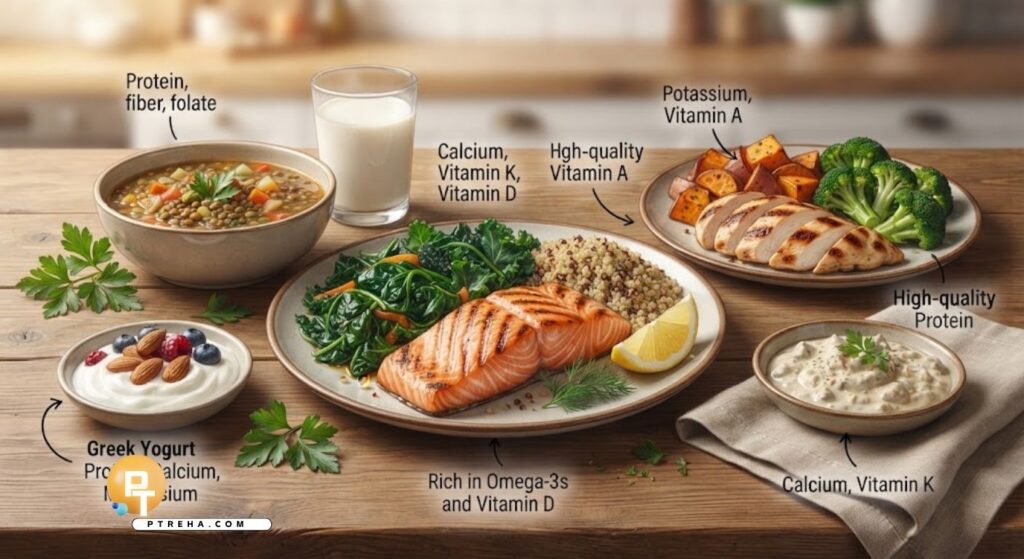
A well-designed dinner can provide protein for muscle maintenance, calcium and vitamin D for skeletal health, and minerals that support normal muscle and nerve function.
The best dinner foods for bone and muscle health are not special “superfoods,” but combinations of protein-rich foods, calcium-containing foods, vegetables, whole-food carbohydrates, and healthy fats that help meet nutritional needs across the entire day.
What Makes a Dinner Good for Bones and Muscles?
Bone and muscle are living tissues that continuously adapt to nutrition, physical activity, aging, recovery, and hormonal factors.
Dinner therefore works best as one part of a balanced daily eating pattern rather than as a single meal expected to supply every nutrient.
Important nutrients include:
- Protein for muscle protein turnover and tissue maintenance.
- Calcium for bone structure and normal muscle contraction.
- Vitamin D for calcium absorption and skeletal function.
- Magnesium for normal muscle, nerve, and bone functions.
- Phosphorus as an important component of bone.
- Vitamin K from foods such as leafy green vegetables.
- Potassium from vegetables, beans, potatoes, and fruit.
- Omega-3 fatty acids from oily fish and selected plant foods.
- Carbohydrates to help replenish muscle glycogen after activity.
- Adequate total energy to support recovery and tissue maintenance.
According to the NIH calcium guidance, almost all of the body’s calcium is stored in bones and teeth, while calcium is also required for normal muscle and nerve function.
This makes calcium-rich foods particularly useful when planning a musculoskeletal-focused diet.
The goal is not to maximize every nutrient at dinner.
It is to make dinner contribute meaningfully to your overall daily intake.
Build a Bone- and Muscle-Friendly Dinner Plate
A practical dinner can be built around four components: a quality protein source, vegetables, a nutritious carbohydrate source, and an appropriate source of calcium or healthy fat.
A simple plate might include:
- Salmon, chicken, eggs, tofu, lentils, or another protein source.
- Broccoli, kale, bok choy, peppers, or mixed vegetables.
- Potatoes, sweet potatoes, brown rice, quinoa, or whole grains.
- Yogurt, fortified soy food, seeds, or another nutrient-rich side.
- Olive oil, nuts, seeds, avocado, or oily fish for unsaturated fat.
This approach is more useful than focusing on one ingredient.
For example, grilled salmon with potatoes and broccoli offers protein, carbohydrate, vegetables, and several micronutrients in one meal.
A tofu and vegetable stir-fry with brown rice can provide a similarly balanced plant-based option.
Portion size should reflect appetite, body size, total daily intake, training demands, age, and individual health needs.
Best Protein Foods to Eat at Dinner
Protein is especially relevant to muscle health because dietary amino acids provide the building blocks used in muscle protein turnover.
Dinner is a useful opportunity to consume a substantial serving of protein, particularly when breakfast or lunch has been relatively low in protein.
Good dinner protein options include:
- Salmon.
- Sardines.
- Trout.
- Chicken.
- Turkey.
- Lean beef.
- Eggs.
- Greek yogurt.
- Cottage cheese.
- Tofu.
- Tempeh.
- Lentils.
- Chickpeas.
- Beans.
Research on protein distribution suggests that concentrating most of the day’s protein at dinner is not necessarily superior to consuming meaningful amounts across several meals.
In one controlled feeding study, a more even distribution across breakfast, lunch, and dinner stimulated greater twenty-four-hour muscle protein synthesis than a pattern heavily concentrated at dinner.
The study can be reviewed through PubMed’s protein-distribution research.
This does not mean everyone needs exactly the same amount of protein at every meal.
Total daily protein intake remains important, while individual requirements vary.
Salmon, Sardines, and Other Fish
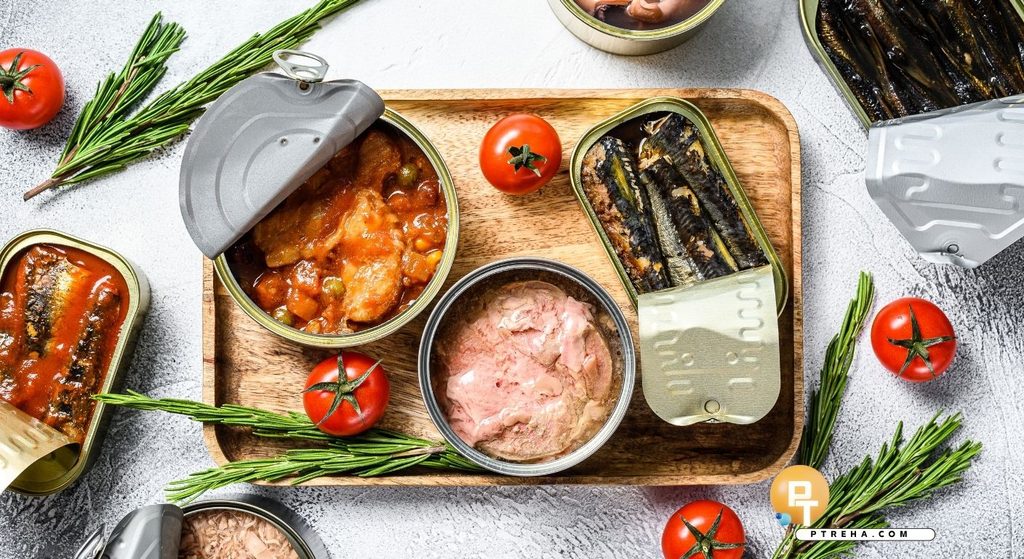
Fish can be one of the most useful foods for a bone- and muscle-focused dinner.
Salmon, trout, tuna, and other fish provide high-quality protein.
Oily fish such as salmon also provide omega-3 fatty acids, while certain fish contribute vitamin D.
Sardines have an additional advantage when their soft edible bones are consumed because those bones provide calcium.
Useful ways to serve fish include:
- Salmon with potatoes and broccoli.
- Sardines over whole-grain toast with salad.
- Trout with quinoa and roasted vegetables.
- Tuna with beans and mixed vegetables.
- Salmon with brown rice and bok choy.
Fish does not need to be eaten every evening.
Rotating seafood with poultry, eggs, dairy foods, legumes, and soy foods makes the overall diet more varied.
Greek Yogurt, Milk, and Cottage Cheese
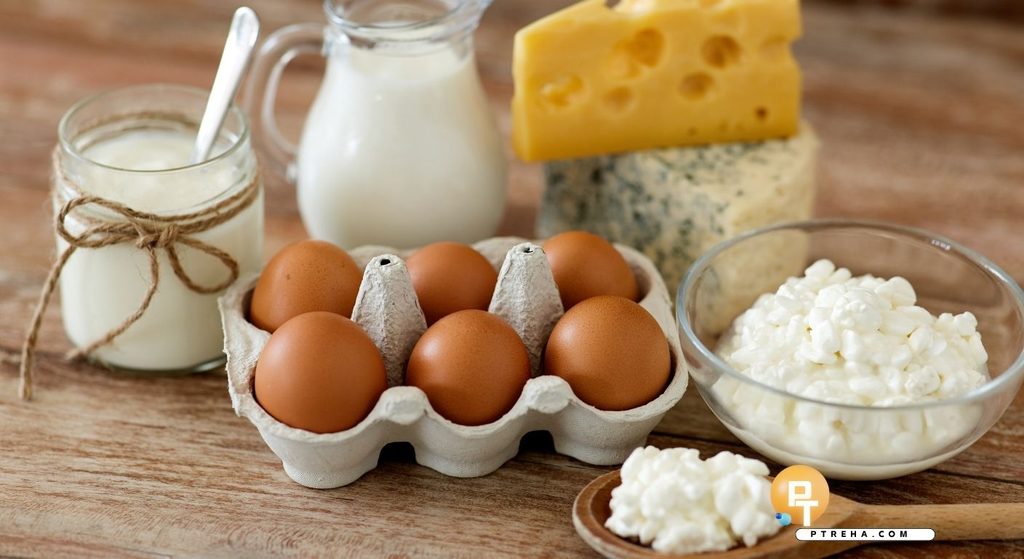
Dairy foods can combine protein with calcium, making them particularly convenient for musculoskeletal nutrition.
Greek yogurt is relatively protein-rich, while milk and yogurt can contribute substantial calcium.
Cottage cheese is another convenient protein option, although calcium content varies between products.
Dinner ideas include:
- Greek yogurt with berries after a light meal.
- A yogurt-based sauce with chicken and vegetables.
- Cottage cheese alongside potatoes and salad.
- Milk with an evening meal when appropriate.
- Yogurt combined with nuts and fruit for dessert.
People with lactose intolerance may tolerate certain yogurts or lactose-free dairy products.
Those who avoid dairy can use fortified alternatives, but the label matters.
Plant drinks differ considerably in protein, calcium, vitamin D, and other nutrients.
Calcium-Rich Dinner Foods for Strong Bones
Calcium is essential to normal bone mineralization, but consuming huge amounts at one meal is unnecessary.
The better strategy is to include calcium-containing foods regularly throughout the day.
Useful dinner sources include:
- Milk.
- Yogurt.
- Cheese.
- Calcium-fortified soy drink.
- Calcium-set tofu.
- Sardines with edible bones.
- Canned salmon with edible bones.
- Kale.
- Bok choy.
- Broccoli.
Not every tofu product contains the same amount of calcium.
Look at the nutrition label and ingredient list because tofu prepared with calcium salts may provide considerably more calcium than other varieties.
The same caution applies to plant-based drinks.
A fortified soy beverage may provide calcium, but an unfortified product may contain much less.
Some leafy greens contain calcium as well, although absorption differs among vegetables.
Spinach is nutritious and provides magnesium, folate, and other nutrients, but its calcium is relatively poorly absorbed because of its high oxalate content.
Kale, bok choy, and broccoli can therefore be useful vegetable choices when calcium intake is a specific goal.
Vitamin D Foods at Dinner
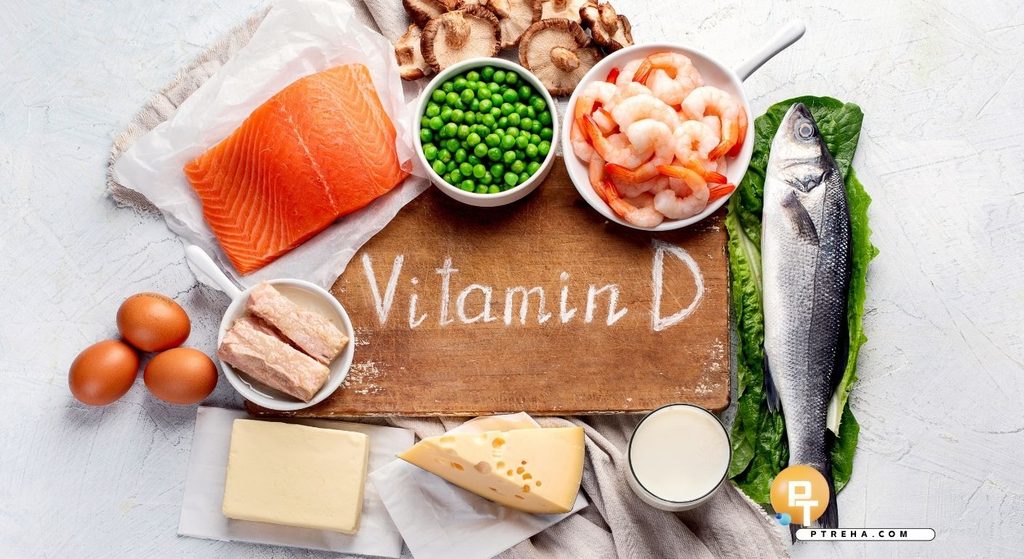
Vitamin D helps the body absorb calcium and contributes to normal bone physiology.
Unlike protein, vitamin D is naturally abundant in relatively few commonly eaten foods.
Oily fish is therefore especially useful.
Dinner foods that may contribute vitamin D include:
- Salmon.
- Trout.
- Sardines.
- Egg yolks.
- Fortified milk.
- Fortified plant beverages.
- Other appropriately fortified foods.
The NIH vitamin D fact sheet explains the relationship between vitamin D, calcium regulation, bone health, and muscle-related outcomes.
It also highlights an important distinction: taking increasingly large amounts of supplemental vitamin D should not be assumed to improve muscle function or prevent fractures in everyone.
Food alone may not always provide enough vitamin D, particularly when sun exposure is limited or a person has risk factors for deficiency.
Whether supplementation is needed is an individual health question and may require assessment by an appropriate healthcare professional.
Plant Foods That Support Bone and Muscle Nutrition
A dinner for musculoskeletal health does not need to revolve around meat.
Legumes, soy foods, whole grains, vegetables, nuts, and seeds can collectively contribute protein, magnesium, potassium, calcium, and other important nutrients.
Useful foods include:
- Lentils.
- Chickpeas.
- Black beans.
- Kidney beans.
- Tofu.
- Tempeh.
- Edamame.
- Quinoa.
- Pumpkin seeds.
- Almonds.
- Chia seeds.
- Leafy green vegetables.
Legumes are particularly practical because they provide both plant protein and carbohydrate.
For example, lentil curry served with vegetables and rice provides considerably more nutritional value for muscle recovery than eating rice alone.
Soy foods are another valuable option because tofu, tempeh, edamame, and soy beverages can make it easier to reach adequate protein intake without animal products.
Vegetables and Minerals for Musculoskeletal Function
Vegetables do more than add volume to dinner.
They provide potassium, magnesium, vitamin C, vitamin K, folate, carotenoids, and other compounds that contribute to normal physiological functions.
Good choices include:
- Broccoli.
- Kale.
- Bok choy.
- Bell peppers.
- Tomatoes.
- Carrots.
- Brussels sprouts.
- Green beans.
- Mushrooms.
- Mixed salad vegetables.
Variety is preferable to relying on a single vegetable every evening.
A simple method is to rotate different colors and types of vegetables during the week.
Best Carbohydrates for an Active Evening Meal
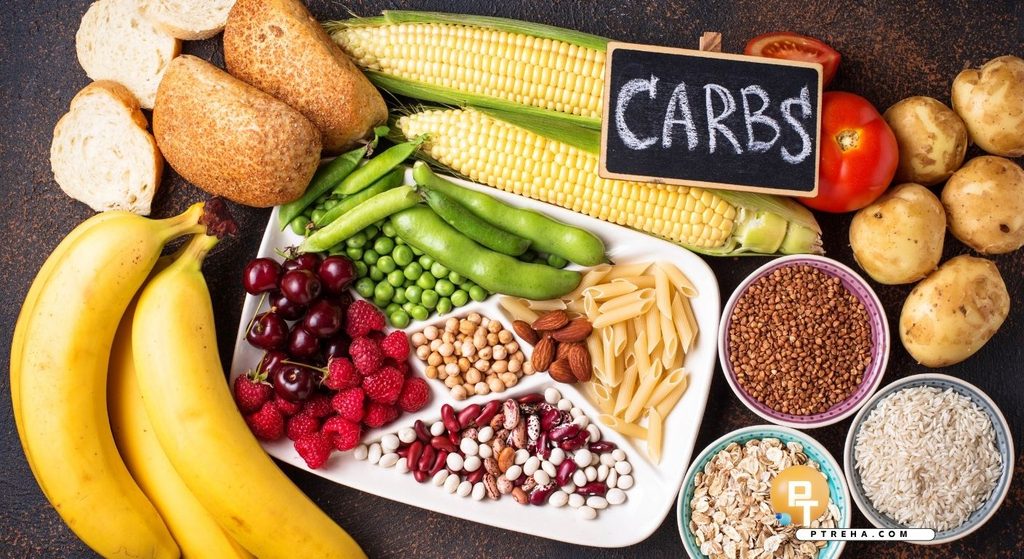
Carbohydrates are sometimes overlooked when discussing muscle health.
For someone who exercises, walks extensively, performs physical work, or participates in rehabilitation, carbohydrate-containing foods can help replenish muscle glycogen.
Useful options include:
- Potatoes.
- Sweet potatoes.
- Brown rice.
- Quinoa.
- Oats.
- Whole-grain pasta.
- Whole-grain bread.
- Beans and lentils.
- Corn.
- Other minimally processed grains.
Sweet potatoes, for example, provide carbohydrate, potassium, carotenoids, and fiber.
A baked sweet potato with salmon and vegetables creates a more complete recovery meal than eating protein alone.
Whole grains and legumes can also add magnesium to the diet.
The appropriate carbohydrate portion depends heavily on activity.
A person completing demanding resistance training may need substantially more energy than someone who has been sedentary throughout the day.
Best Dinner Combinations for Bone and Muscle Health
The foods do not need to be complicated.
Combining familiar ingredients can create nutritionally useful meals.
| Dinner | Main Musculoskeletal Nutrients | Why It Works |
|---|---|---|
| Salmon, potatoes, broccoli | Protein, vitamin D, omega-3s, potassium | Balanced option for active adults |
| Sardines, whole-grain bread, salad | Protein, calcium, omega-3s | Edible fish bones add calcium |
| Chicken, quinoa, kale | Protein, magnesium, carbohydrate | Simple high-protein meal |
| Lentil curry, brown rice, vegetables | Plant protein, magnesium, carbohydrate | Useful meat-free combination |
| Calcium-set tofu, bok choy, rice | Protein, calcium, vegetables | Strong plant-based option |
| Eggs, potatoes, vegetables, yogurt | Protein, calcium, carbohydrate | Practical low-preparation meal |
| Turkey, sweet potato, broccoli | Protein, potassium, carbohydrate | Suitable after an active day |
| Bean bowl with quinoa and fortified soy drink | Plant protein, calcium, magnesium | Dairy-free alternative |
Additional simple combinations include:
- Trout with roasted potatoes and green beans.
- Chicken with whole-grain pasta and vegetables.
- Tofu stir-fry with broccoli and brown rice.
- Lentil soup with whole-grain bread and yogurt.
- Omelet with vegetables, potatoes, and a salad.
- Chickpea bowl with quinoa, tahini, and vegetables.
Changing the vegetables, grains, herbs, and protein source prevents meals from becoming repetitive.
Dinner After Exercise or Physical Therapy
After resistance exercise or a demanding rehabilitation session, dinner can contribute both protein and carbohydrate to recovery.
Protein provides amino acids needed for muscle protein remodeling, while carbohydrates help restore energy stores.
A practical post-exercise dinner may contain:
- A substantial protein food.
- Potatoes, rice, pasta, or another carbohydrate source.
- One or more vegetables.
- Water or another appropriate fluid.
- A calcium-rich food when needed.
For example, someone training before dinner might eat grilled chicken, rice, broccoli, and yogurt.
A vegetarian alternative could be tofu, noodles, vegetables, and a calcium-fortified soy drink.
Timing does not need to become unnecessarily rigid.
The quality and quantity of the overall diet are more important than trying to consume food within an extremely narrow post-exercise window.
People who struggle to eat a full dinner immediately after training can use a smaller protein-containing meal and eat additional food later according to appetite and nutritional needs.
Dinner Considerations for Older Adults
Maintaining muscle becomes increasingly important with age because loss of muscle mass and strength can affect mobility, balance, and independence.
Dinner can help, but relying on a very large evening protein serving while eating little protein earlier in the day is not necessarily the best strategy.
Older adults can consider:
- Including a protein source at breakfast.
- Including protein again at lunch.
- Eating another quality protein source at dinner.
- Including calcium-rich foods regularly.
- Eating enough total calories.
- Combining nutrition with progressive resistance exercise when appropriate.
- Maintaining adequate hydration.
- Addressing chewing, swallowing, or appetite problems when present.
Simple dinners may be especially useful when appetite or cooking capacity is limited.
An omelet with vegetables, yogurt with fruit, lentil soup, soft fish with potatoes, or tofu with rice can provide useful nutrients without requiring a complicated recipe.
Nutrition alone cannot replace mechanical loading.
Appropriate resistance exercise, weight-bearing activity, balance training, and general physical activity remain important components of musculoskeletal health.
Common Dinner Mistakes to Avoid
A “healthy” dinner can still be poorly balanced if it consistently lacks protein, calcium, vegetables, or enough total energy.
Common problems include:
- Eating vegetables alone and forgetting protein.
- Saving nearly all daily protein for dinner.
- Assuming spinach is the best calcium source.
- Choosing plant drinks without checking fortification.
- Assuming every tofu product is calcium-rich.
- Eating fish but removing edible sardine or canned salmon bones.
- Avoiding carbohydrates despite substantial exercise.
- Relying heavily on supplements instead of food.
- Eating too little overall during periods of intensive training.
- Treating one food as a solution for osteoporosis or muscle loss.
Another mistake is assuming that more protein automatically produces stronger muscles.
Muscle adapts most effectively when adequate nutrition is combined with appropriate resistance loading.
Similarly, bone health depends on more than calcium alone and is influenced by physical activity, vitamin D status, overall diet, hormones, medications, age, and other health factors.
People with osteoporosis, kidney disease, gastrointestinal disorders, food allergies, significant unintended weight loss, or other medical conditions may require individualized dietary guidance rather than a generic meal plan.
Conclusion
The best dinner foods for bone and muscle health are protein-rich foods such as fish, poultry, eggs, dairy, tofu, and legumes combined with vegetables, nutritious carbohydrates, and calcium-containing foods.
Salmon with potatoes and broccoli, calcium-set tofu with bok choy and rice, lentils with vegetables, or eggs with yogurt and potatoes are all practical examples.
Dinner should support the nutritional pattern established throughout the day rather than compensate for an otherwise inadequate diet.
Combine balanced nutrition with progressive strength exercise, regular physical activity, adequate sleep, and appropriate clinical management when a musculoskeletal condition is present.
Frequently Asked Questions
What is the best dinner food for bone health?
There is no single best food.
A combination of calcium-rich foods, adequate protein, vegetables, and foods that provide vitamin D and other essential nutrients is more useful than relying on one ingredient.
Salmon with broccoli and potatoes plus yogurt, for example, provides a broader nutrient profile than any of those foods alone.
What should I eat at dinner to support muscle growth?
Include a meaningful portion of high-quality protein together with enough total energy and carbohydrate for your activity level.
Fish, poultry, eggs, dairy foods, tofu, tempeh, lentils, and beans can all contribute.
Progressive resistance training remains the main exercise stimulus for increasing muscle size and strength.
Is salmon good for both bones and muscles?
Yes.
Salmon supplies high-quality protein and omega-3 fatty acids, and it can provide vitamin D.
It is therefore a useful component of a bone- and muscle-friendly meal, although it does not replace the need for adequate calcium and overall dietary variety.
Are eggs a good dinner for muscle health?
Eggs provide complete protein and can easily be incorporated into dinner.
An omelet combined with vegetables, potatoes or whole-grain bread, and a calcium-containing side such as yogurt can create a more balanced meal than eggs alone.
Is Greek yogurt good to eat after dinner?
Greek yogurt can be a convenient source of protein and calcium and may be useful when dinner itself contains relatively little protein or calcium.
Whether you need it depends on what you have already eaten during the day rather than on a requirement to eat immediately before bed.
What is the best vegetarian dinner for bones and muscles?
Calcium-set tofu with vegetables and a whole grain is one strong option.
Lentils, beans, chickpeas, tempeh, edamame, fortified soy beverages, nuts, seeds, and calcium-rich vegetables can also be combined to create nutritionally balanced vegetarian meals.
Are sweet potatoes good for muscle recovery?
Sweet potatoes provide carbohydrate and potassium and can help supply energy after physical activity.
They are not a major protein source, so combine them with fish, poultry, eggs, tofu, beans, lentils, or another protein-rich food.
Do I need a protein shake with dinner?
Most people do not automatically need one.
A protein supplement can be convenient when dietary protein intake is insufficient, but someone already eating adequate protein from normal foods may gain little practical benefit from adding a shake simply because it is evening.
Should I take calcium and vitamin D supplements with dinner?
Not routinely unless there is a nutritional or clinical reason to do so.
Requirements vary according to diet, age, vitamin D status, medical history, medications, and other factors.
Supplements can also interact with certain medicines, so individualized advice is appropriate when supplementation is being considered.
Can dinner alone improve weak bones or muscle loss?
No.
Dinner contributes to overall nutrition but cannot independently treat osteoporosis, significant muscle loss, or other musculoskeletal disorders.
Long-term dietary adequacy, appropriate exercise, sufficient energy intake, sleep, lifestyle factors, and appropriate healthcare evaluation work together to support bone and muscle health.